
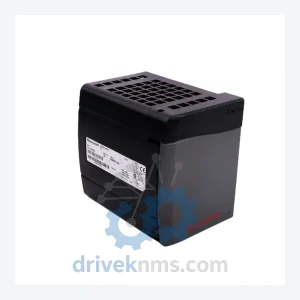
Honeywell TC-FPDXX2 Power Supply Module – Obsolete C300 Spare Part
Honeywell TC-FPDXX2 is listed for Power Supplies RFQ review. Confirm quantity, condition and destination before quotation.
RFQ-ready industrial model
Model: TC-FPCXX2
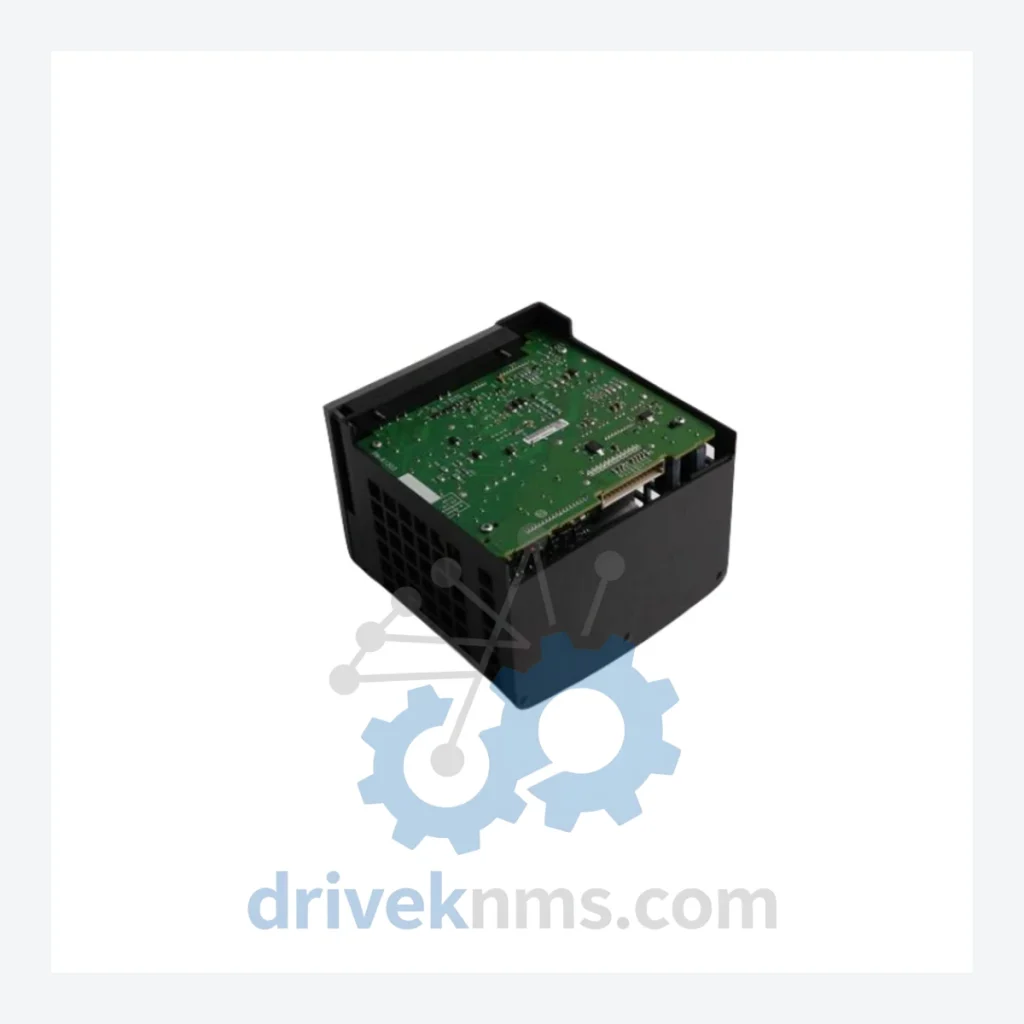
Product Overview
Commercial availability is handled through direct RFQ, model verification and export-oriented follow-up rather than public cart checkout.
Datasheet Preview
Use attached product manuals when available. If the manual is not public yet, request the full file directly through RFQ.
Commercial Path
Product pages on DRIVEKNMS are designed to verify model, brand and series first, then move the buyer into one clean quotation path.
Technical Dossier
The Honeywell TDC 3000 (Total Distributed Control) and its successor platform TotalPlant Solution (TPS) represent one of the most widely deployed Distributed Control System (DCS) architectures in global heavy industry. Installed across petrochemical complexes, crude oil refineries, nuclear power generation facilities, LNG terminals, and large-scale chemical manufacturing plants, this platform has maintained operational continuity at critical infrastructure sites for over four decades. Its modular backplane architecture, redundant communication highways (Local Control Network / Universal Control Network), and field-proven reliability have made TDC 3000 / TPS the reference standard for long-lifecycle process automation. Despite the platform's transition into the mature and end-of-life phase, tens of thousands of nodes remain in active service globally, creating sustained demand for original spare parts, tested replacements, and lifecycle extension support.
Honeywell introduced the TDC 3000 platform in the early 1980s as a successor to the TDC 2000. The architecture was built around a hierarchical network structure: the Local Control Network (LCN) connected high-level operator stations and application modules, while the Universal Control Network (UCN) linked field-level process controllers and I/O subsystems. The Data Hiway served as the legacy communication backbone for earlier TDC 2000-compatible nodes integrated into TDC 3000 environments.
Key architectural generations include: (1) TDC 3000 Classic — original LCN/UCN topology with AM, HPM, NIM, and PM modules; (2) TPS (TotalPlant Solution) — introduced in the mid-1990s, adding Ethernet-based Plant Information Network (PIN) connectivity, enhanced operator stations (GUS/US), and expanded HPM I/O capacity; (3) Experion PKS Migration Path — Honeywell's current-generation platform, designed to accept TPS/TDC 3000 controller migration via the Series C I/O compatibility layer. Compatibility between generations is constrained by backplane slot assignments, firmware revisions, and LCN node address allocation. Mixing TDC 3000 Classic and TPS modules within the same chassis requires careful firmware version alignment and is not universally supported across all module types.
Power Supply Modules
High-Performance Process Manager (HPM) — Controller & I/O Modules
Network Interface & Communication Modules
Application & Operator Station Modules
Honeywell formally discontinued new production of the majority of TDC 3000 and TPS hardware in the 2000s and 2010s. Experion PKS has been the designated successor platform since 2001. However, the installed base of TDC 3000 / TPS systems at refineries, chemical plants, and power generation facilities remains substantial, and full platform migration projects are capital-intensive, requiring multi-year planning cycles. This creates a structural, long-term demand for original spare parts sourced from decommissioned systems, certified repair channels, and specialist distributors.
TDC 3000 and TPS modules present specific quality verification challenges due to their complex backplane communication protocols (LCN coaxial token-passing, UCN peer-to-peer), proprietary firmware stored on EPROMs, and age-related component degradation (electrolytic capacitor ESR drift, NVRAM data retention loss, battery-backed SRAM depletion). DriveKNMS applies the following test procedures to all TDC 3000 / TPS modules prior to shipment:
Continue The Model Path
Move from this exact model into the matching system hub, brand archive, model-family archive or lifecycle sourcing route before sending a final RFQ list.
Related Paths
Honeywell TC-FPDXX2 is listed for Power Supplies RFQ review. Confirm quantity, condition and destination before quotation.
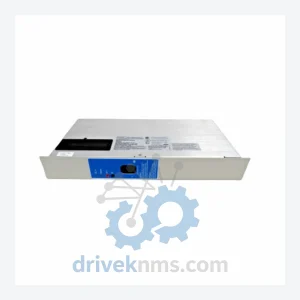
Honeywell SPS5710 51198685-100 is listed for 100 Power Supply Module RFQ review. Confirm quantity, condition and destination before quotation.
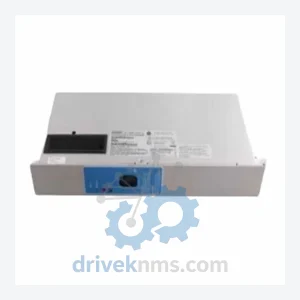
Honeywell SPS5710-2-LF 51198685-100 is listed for Power Supplies RFQ review. Confirm quantity, condition and destination before quotation.