
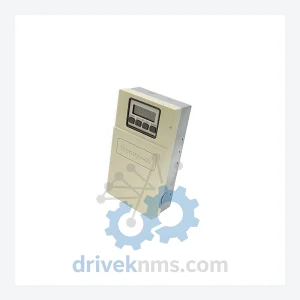
Honeywell T775E1056 Process Controller – T775 Series
Honeywell T775E1056 is listed for T775 Series RFQ review. Confirm quantity, condition and destination before quotation.
RFQ-ready industrial model
Model: TK-IAH161 TK-OAV081 TK-PPD011
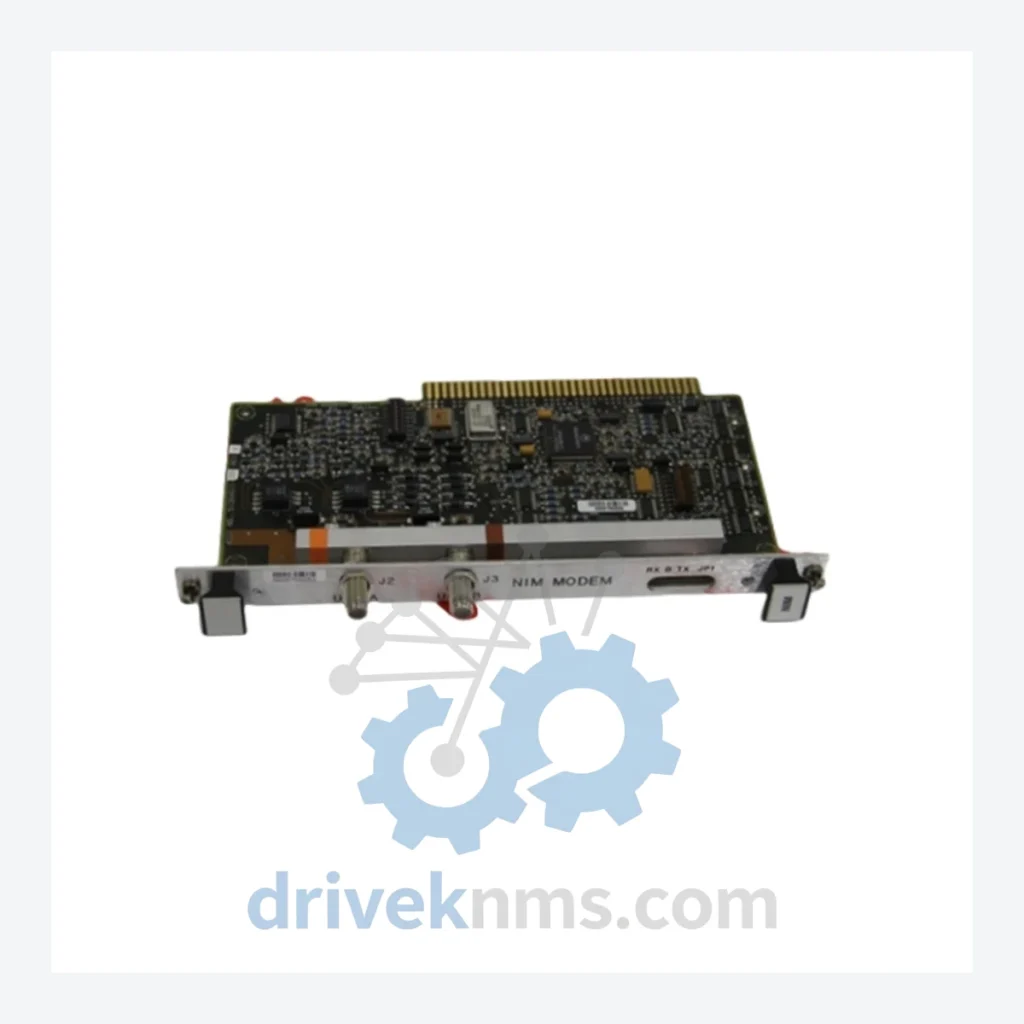
Product Overview
Commercial availability is handled through direct RFQ, model verification and export-oriented follow-up rather than public cart checkout.
Datasheet Preview
Use attached product manuals when available. If the manual is not public yet, request the full file directly through RFQ.
Commercial Path
Product pages on DRIVEKNMS are designed to verify model, brand and series first, then move the buyer into one clean quotation path.
Technical Dossier
RFQ support for obsolete parts: Send the model number, required quantity and destination so DriveKNMS can confirm sourcing options before quotation.
| Parameter | Detail |
|---|---|
| Part Numbers | TK-IAH161 / TK-OAV081 / TK-PPD011 |
| Manufacturer | Honeywell |
| Series | Honeywell Safety Manager / HC900 |
| Module Function | Analog Input Module |
| Product Status | Discontinued / Obsolete – No longer manufactured |
| Country of Origin | United States |
| Compatible Systems | Honeywell Safety Manager, HC900 Hybrid Controller |
| Condition Available | New (sealed) / Refurbished (tested, certified) |
The Honeywell Safety Manager platform was deployed extensively across oil & gas, chemical, and power generation facilities throughout the 1990s and 2000s. Its analog input modules — including the TK-IAH161 — serve as the primary interface between field instrumentation and the safety logic solver. There is no software patch that replaces a failed hardware module. There is no firmware update that restores a degraded analog channel.
When Honeywell discontinued this product line, facilities operating these systems were left with three options: source remaining inventory from the secondary market, execute a full safety system migration, or accept reduced system integrity. The first option is the only one that preserves both operational continuity and capital budget.
How to extend your automation asset life by 5–10 years without a full system migration:
Every TK-IAH161 / TK-OAV081 / TK-PPD011 module supplied by DriveKNMS passes a structured 5-step inspection protocol before dispatch review:
Q: How are RFQ terms confirmed?
A: Quantity, required condition, documentation needs, destination and sourcing route are confirmed during RFQ review before quotation.
Q: How do I confirm the module is new or quality-refurbished?
A: Each shipment includes an inspection report detailing the condition grade, firmware revision, and test results. New sealed units include original Honeywell packaging where available. Refurbished units are clearly labeled with their condition grade.
Continue The Model Path
Move from this exact model into the matching system hub, brand archive, model-family archive or lifecycle sourcing route before sending a final RFQ list.
Related Paths
Honeywell T775E1056 is listed for T775 Series RFQ review. Confirm quantity, condition and destination before quotation.
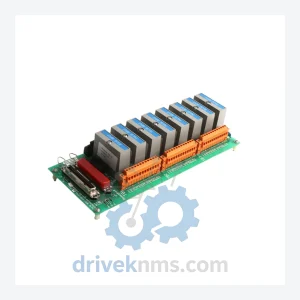
Honeywell MC-TPIX12 51304084-175 is listed for Series TotalPlant RFQ review. Confirm quantity, condition and destination before quotation.
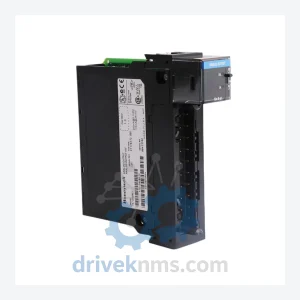
Honeywell TK-OAV061 is listed for PLC Modules RFQ review. Confirm quantity, condition and destination before quotation.