Kawasaki

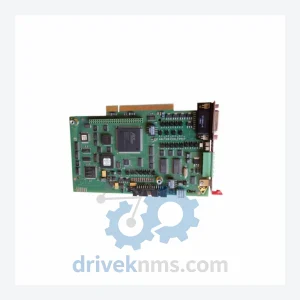
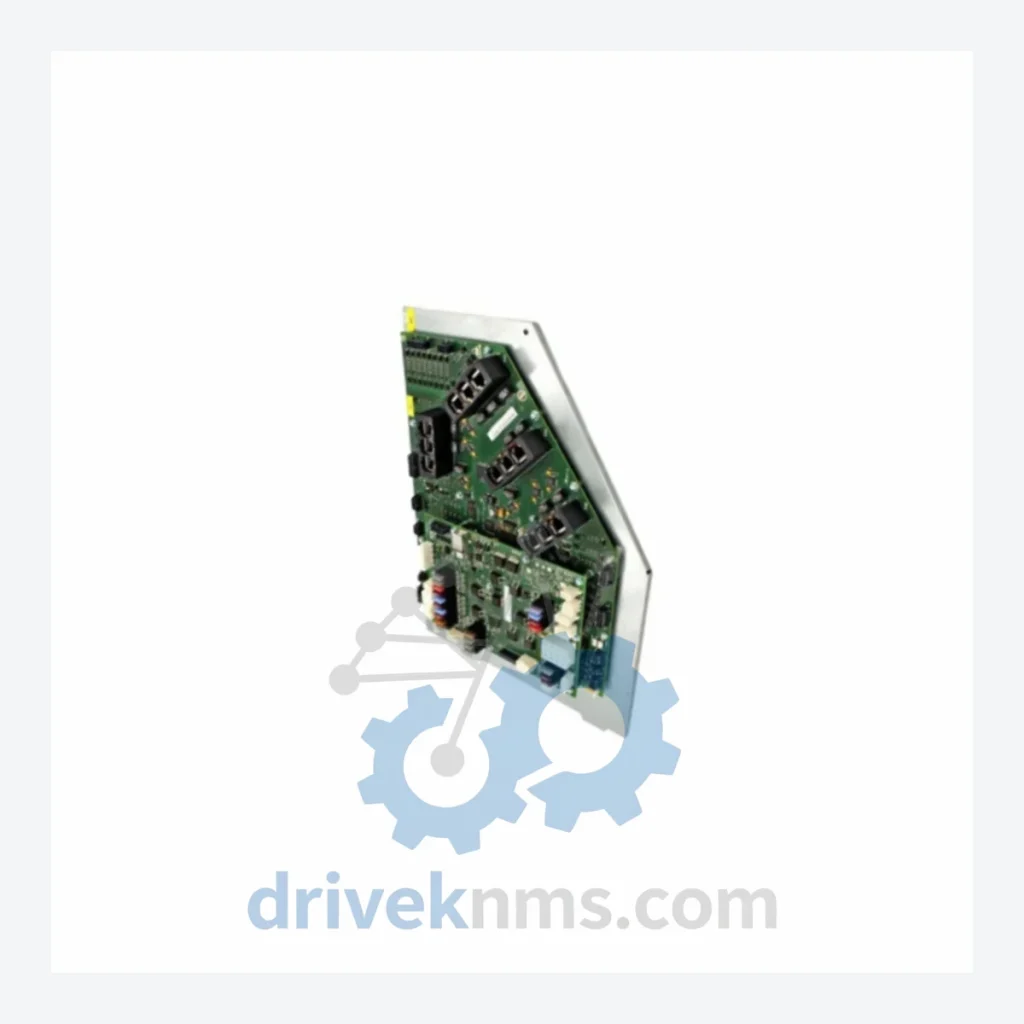
Kawasaki 50999-2399R11 Power Supply – Obsolete E-Series Controller Spare Part

Model: 50999-2399R11 50998-1549 S82W-619 50630-1050

Brand Kawasaki
Series Pending
Model 50999-2399R11 50998-1549 S82W-619 50630-1050
RFQ-ready model route Obsolete and surplus sourcing Export follow-up by model list

Product Overview

Commercial availability is handled through direct RFQ, model verification and export-oriented follow-up rather than public cart checkout.

Datasheet Preview

Datasheet Preview

Use attached product manuals when available. If the manual is not public yet, request the full file directly through RFQ.

Request Full Manual

Commercial Path

Use This Page To Confirm The Model, Then Move To RFQ

Product pages on DRIVEKNMS are designed to verify model, brand and series first, then move the buyer into one clean quotation path.

Technical Dossier

Product Details And Specifications

Kawasaki 50999-2399R11 Power Supply – Obsolete E-Series Controller Spare Part

When a power supply module fails inside a Kawasaki robot controller, the consequences extend far beyond a single machine going offline. In facilities running legacy E-series or D-series Kawasaki robot systems, a single unavailable spare can trigger a cascade: production halts, maintenance teams scramble, and plant managers face a decision that no budget can absorb comfortably — either source the discontinued part, or commit to a full system retrofit costing hundreds of thousands to several million dollars in new hardware, re-engineering, re-programming, and revalidation. The 50999-2399R11 power supply is no longer in active production. DriveKNMS holds verified physical stock of this unit. For facilities that cannot afford downtime or a forced upgrade cycle, this listing represents a direct path to restoring operations without capital expenditure.

Cross-reference part numbers: 50998-1549 / S82W-619 / 50630-1050

Technical Specifications

Parameter Detail
Manufacturer Kawasaki Heavy Industries (Robotics Division)
Primary Part Number 50999-2399R11
Cross-Reference Numbers 50998-1549 / S82W-619 / 50630-1050
Component Type Power Supply Module
Compatible Systems Kawasaki E-Series Robot Controller, D-Series Robot Controller
Country of Origin Japan
Production Status Discontinued – No longer manufactured
Electrical Parameters Refer to OEM documentation; parameters not independently verified — contact us for datasheet support

Solving the Discontinued Hardware Crisis

Kawasaki's E-series and D-series robot controllers were deployed extensively across automotive body shops, foundries, and general assembly lines throughout the 1990s and 2000s. These systems were engineered for 20–30 year operational lifespans, and many remain in active production service today. The mechanical arms themselves — the manipulators — frequently outlast the controller electronics by a decade or more. The power supply module is one of the highest-stress components within the controller cabinet: it conditions incoming AC power, protects downstream logic boards from voltage transients, and maintains regulated DC rails for servo drives and I/O systems.

When this module fails, the controller cannot power on. There is no workaround, no bypass, and no software patch. The only path back to production is a direct hardware replacement. Because Kawasaki ceased production of this part number, the only available units exist in the secondary market — in distributor overstock, decommissioned equipment, or specialist inventory held by suppliers like DriveKNMS.

Facilities that proactively hold one or two units of the 50999-2399R11 in their critical spare parts inventory eliminate this single point of failure entirely. The cost of a spare unit is a fraction of one hour of unplanned downtime on a high-throughput production line. For plant managers operating under asset preservation mandates, this is not a discretionary purchase — it is a maintenance liability that needs to be closed.

How to extend your Kawasaki robot system's operational life by 5–10 years:

  • Audit your controller cabinet annually. Identify all single-point-of-failure components — power supplies, servo amplifier boards, teach pendant cables — and cross-reference their part numbers against current availability. Parts that are already discontinued should be stocked immediately, before a failure forces an emergency procurement at premium cost or makes procurement impossible.
  • Maintain a minimum of two power supply units per controller type. One installed, one on the shelf. Power supplies degrade under thermal cycling. A spare held in climate-controlled storage retains full service life.
  • Do not defer controller firmware documentation. Legacy Kawasaki controllers run firmware versions that are no longer supported. Before any hardware swap, document the current firmware version and parameter backup. This protects against data loss during a repair event.
  • Evaluate the full controller BOM, not just the failed part. When sourcing a power supply, use the opportunity to assess the condition of adjacent components: capacitor banks on the main board, battery-backed memory modules, and cooling fans. Replacing these proactively during a planned maintenance window costs far less than a second unplanned outage six months later.
  • Establish a supplier relationship before you need it. Emergency sourcing of obsolete parts under production pressure results in poor decisions — overpaying, accepting unverified units, or accepting long lead times. Qualifying a supplier like DriveKNMS in advance means you have a verified source ready when the need arises.

Condition & Reliability Assurance

Obsolete power supply modules sourced from the secondary market carry inherent risk if not properly evaluated. DriveKNMS applies a structured 5-step inspection protocol to every unit before it is offered for sale:

  1. Electrolytic Capacitor Assessment: Capacitors are the primary failure mode in aged power supply modules. Each unit is inspected for visible bulging, electrolyte leakage, and ESR (equivalent series resistance) deviation. Units with degraded capacitors are either recapped with equivalent-spec components or removed from saleable inventory.
  2. Firmware and Label Version Verification: Where applicable, firmware revision markings and PCB revision codes are documented and disclosed. Buyers receive this information prior to shipment to confirm compatibility with their specific controller revision.
  3. Pin and Connector Corrosion Inspection: All edge connectors, terminal blocks, and board-to-board connectors are inspected under magnification for oxidation, pin deformation, and contamination. Affected contacts are cleaned or the unit is rejected.
  4. Functional Power-On Test: Where test fixtures are available for the specific unit type, output voltage rails are measured under load conditions and compared against OEM specifications.
  5. Packaging for Long-Term Storage: Units are packaged in anti-static bags with desiccant, inside rigid foam-lined cartons. This protects units that are purchased as strategic spares and held in storage for extended periods.

Key Features for System Maintenance

  • Drop-in replacement: The 50999-2399R11 installs directly into the original controller cabinet mounting position using the original hardware. No mechanical modification is required.
  • No reprogramming required: Power supply replacement does not affect controller memory, program storage, or calibration data, provided the controller battery is functional and the swap is performed correctly. Production resumes without re-teaching or re-commissioning the robot.
  • Avoids engineering retrofit costs: Replacing a like-for-like power supply module eliminates the need for system integrator involvement, new controller procurement, safety re-certification, and production line re-validation — costs that routinely exceed USD $150,000–$500,000 for a single robot cell upgrade.
  • Multiple cross-reference numbers supported: This unit is listed under several part numbers across different Kawasaki documentation revisions (50998-1549, S82W-619, 50630-1050). If your maintenance records reference any of these numbers, this unit is the correct replacement.

FAQ

Q: What warranty applies to a discontinued part?
A: DriveKNMS provides a 90-day functional warranty on all tested units. This covers failure under normal operating conditions. Units sold as untested/as-is are clearly marked and carry no functional warranty.

Q: How do I know the unit is genuine and not a counterfeit?
A: All units are sourced from decommissioned OEM equipment or verified distributor overstock. We do not source from unverified brokers. Physical inspection records are available on request.

Q: Can I purchase multiple units for long-term spare parts inventory?
A: Yes. We recommend purchasing at least two units if your facility operates multiple Kawasaki robot cells using this controller type. Contact us for volume pricing.

Q: What is the lead time?
A: In-stock units ship within 1–3 business days. Stock levels for discontinued parts are not replenishable — once sold, availability cannot be guaranteed.

Q: Do you provide documentation or datasheets?
A: We provide all available documentation in our possession. For OEM technical manuals, we recommend contacting Kawasaki Robotics regional support or referencing archived documentation through your system integrator.

WhatsApp Prefilled Inquiry Email [email protected] Phone +86 18359293191 Top Back To Top