
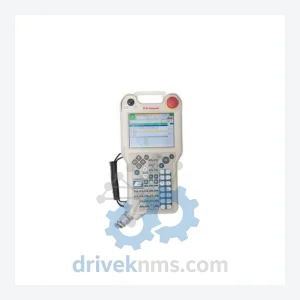
Kawasaki 50817-0066 Teach Pendant LCD Display Panel – Obsolete Robot Controller Spare Part
Kawasaki 50817-0066 Teach Pendant LCD Display Panel – Obsolete Robot Controller Spare Part When a teach pendant display fails on…
Model: IO/5099950999-2925R01 50817-0096L05 ;50817-1434 IO50999-2933R01 1TW
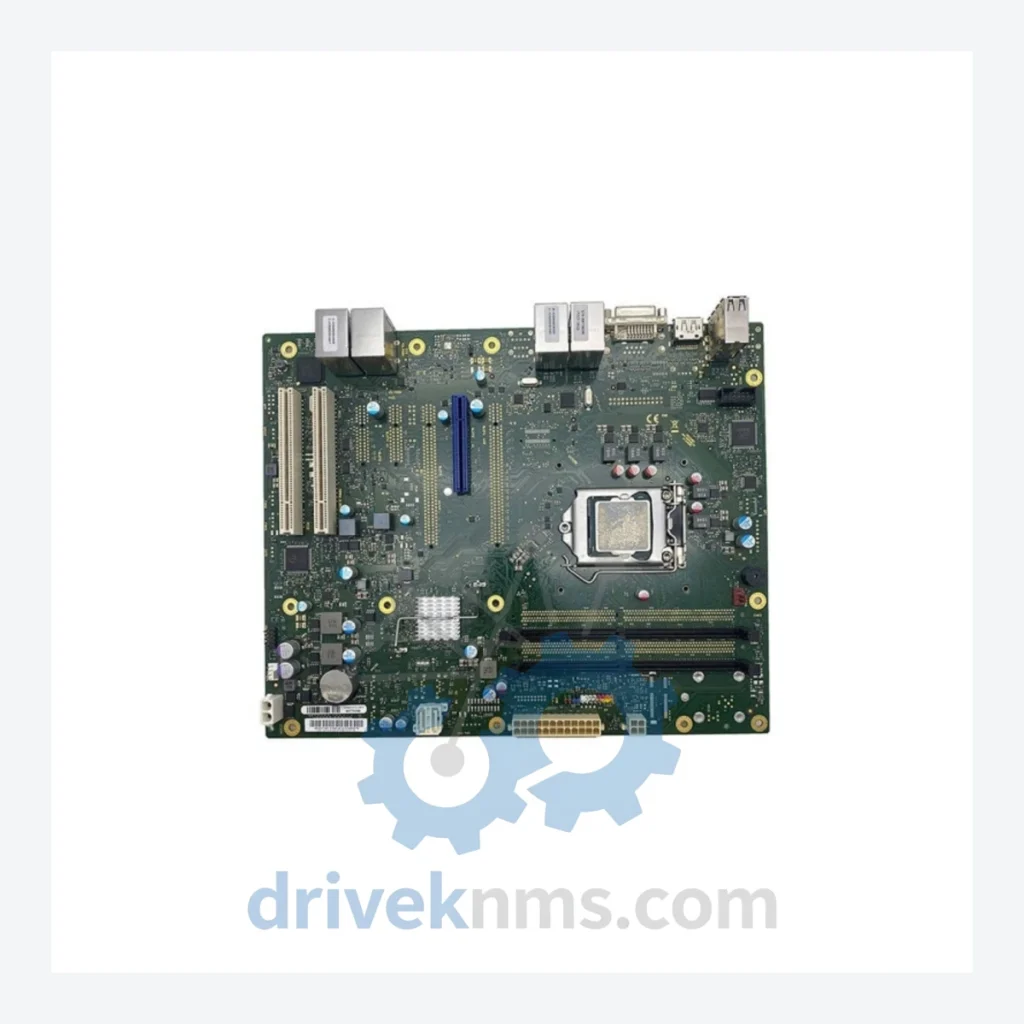
Product Overview
Commercial availability is handled through direct RFQ, model verification and export-oriented follow-up rather than public cart checkout.
Datasheet Preview
Use attached product manuals when available. If the manual is not public yet, request the full file directly through RFQ.
Commercial Path
Product pages on DRIVEKNMS are designed to verify model, brand and series first, then move the buyer into one clean quotation path.
Technical Dossier
When a Kawasaki robot controller I/O board fails on the production floor, the clock starts immediately. For facilities still running D-series or E-series Kawasaki robot controllers, this is not a component you can source from a distributor catalog. Kawasaki has long discontinued this board family. The alternative — a full controller replacement or system migration — carries engineering costs, integration downtime, and capital expenditure that routinely exceed $200,000 USD per robot cell. A single I/O board failure, left unresolved, can trigger that entire chain of events.
DriveKNMS holds verified physical stock of the Kawasaki IO/5099950999-2925R01 (cross-reference: 50817-0096L05 / 50817-1434 / IO50999-2933R01 1TW) I/O board. This is not a catalog listing. This is a confirmed, inspected unit available for immediate shipment.
| Parameter | Detail |
|---|---|
| Part Number (Primary) | IO/5099950999-2925R01 |
| Cross-Reference Numbers | 50817-0096L05 / 50817-1434 / IO50999-2933R01 1TW |
| Component Type | I/O Board (Input/Output PCB Assembly) |
| OEM Brand | Kawasaki Robotics |
| Compatible Controller Series | Kawasaki D-Series / E-Series Robot Controllers |
| Country of Origin | Japan |
| OEM Production Status | Discontinued / Obsolete – No longer manufactured by Kawasaki |
| Availability | Limited aftermarket stock – DriveKNMS verified inventory |
Note: Electrical parameters are not published to prevent misapplication. Contact our technical team to confirm compatibility with your specific controller revision before ordering.
Kawasaki D-series and E-series robot controllers were deployed extensively in automotive body shops, foundry lines, and general assembly operations throughout the 1990s and 2000s. Many of these installations remain in active production today — not because the technology is current, but because the cost and disruption of replacing a fully integrated robot cell is prohibitive.
The I/O board is the communication backbone between the controller's CPU and the external world: tooling signals, safety interlocks, PLC handshakes, and peripheral device control all pass through this board. When it degrades or fails, the robot becomes non-functional regardless of the mechanical condition of the arm itself. There is no software workaround. There is no partial bypass. The board must be replaced with an electrically and firmware-compatible unit.
Kawasaki's official parts support for these controller generations has ended. Authorized service channels no longer carry new stock. The secondary market — where DriveKNMS operates — is the only viable source. Facilities that have not secured at least one spare unit are operating with a single point of failure that carries no recovery path other than a full system overhaul.
How to extend your Kawasaki robot system life by 5–10 years without a capital project:
Sourcing obsolete industrial boards from the secondary market carries legitimate risk. DriveKNMS applies a structured 5-step inspection protocol to every unit before it leaves our facility:
Units are classified and sold as: New Old Stock (NOS), Refurbished, or Used – Tested. Condition is disclosed on the invoice. We do not sell untested or uninspected units.
Q: What warranty applies to an obsolete spare part?
A: DriveKNMS provides a 90-day warranty against DOA (dead on arrival) and functional failure under normal operating conditions. Warranty terms are stated on the invoice. Extended warranty options are available for volume orders — contact us to discuss.
Q: How do I know the unit is genuine Kawasaki and not a counterfeit?
A: All units are sourced from decommissioned OEM equipment or verified industrial surplus channels. Part markings, board revision codes, and physical construction are consistent with genuine Kawasaki production. We do not source from unverified brokers. If you require additional provenance documentation, request it at the time of inquiry.
Q: Should I buy more than one unit?
A: For any facility running more than one Kawasaki robot on this controller generation, holding a minimum of two spare I/O boards is the standard recommendation. Secondary market availability for this part number is finite. Once current stock is exhausted, lead times for the next available unit are unpredictable. The cost of a second spare board is negligible against the cost of an unplanned production stoppage.
For pricing, stock confirmation, technical compatibility questions, or volume inquiries:
© 2026 DriveKNMS. All trademarks belong to their respective owners. Specifications are for reference only and subject to change without notice. Verify all parameters against official documentation before installation.
Related Paths
Kawasaki 50817-0066 Teach Pendant LCD Display Panel – Obsolete Robot Controller Spare Part When a teach pendant display fails on…
Kawasaki 50817-1371 Switch Keysheet Overlay – Obsolete OEM Spare Part When a switch keysheet overlay fails on aging Kawasaki equipment,…
Kawasaki 50817-0128L05 Screen Display: Sourcing Strategy & Asset Return Value in a Constrained Supply Chain The Kawasaki 50817-0128L05 is an…