
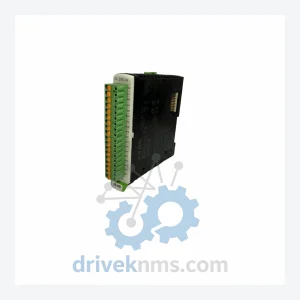
KEBA DI260/A Digital Input Card – DI260 Series
Keba DI260/A is listed for DI260 Series RFQ review. Confirm quantity, condition and destination before quotation.
RFQ-ready industrial model
Model: AM299/A
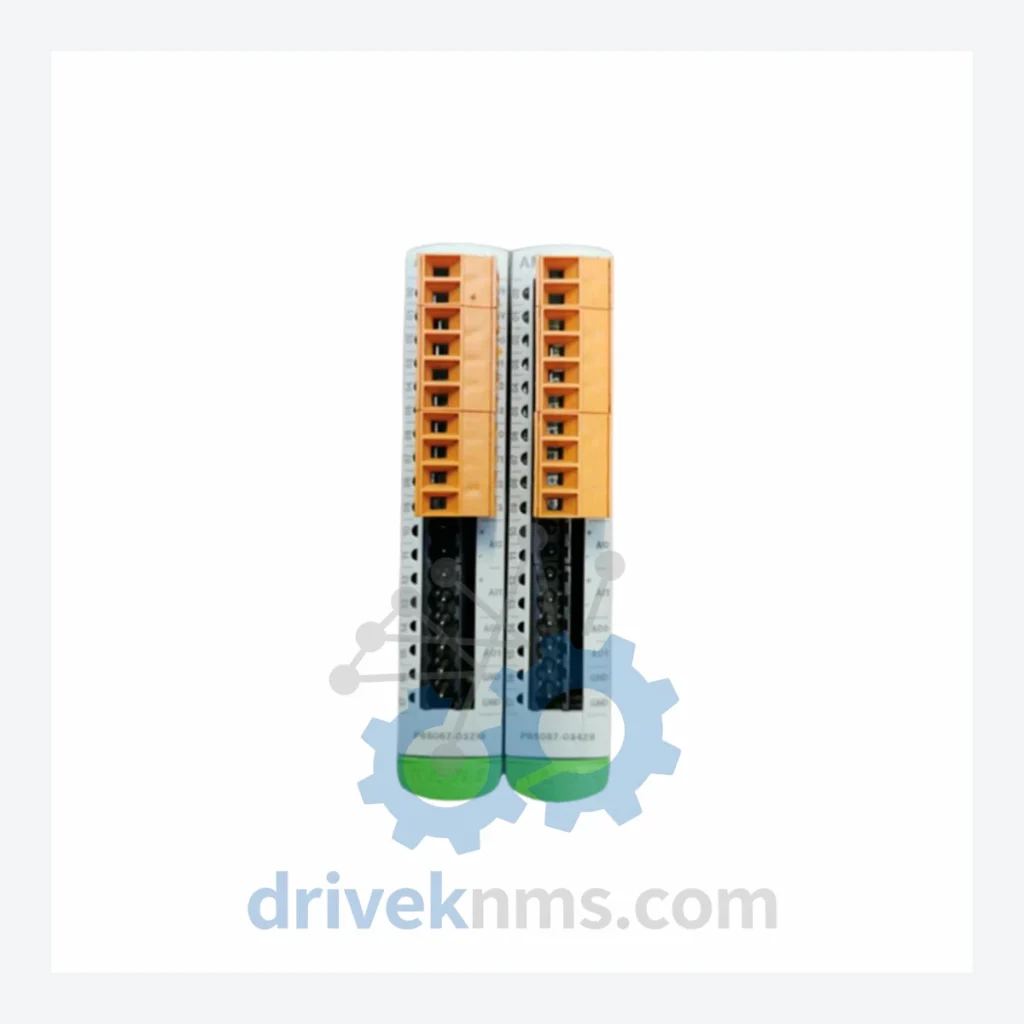
Product Overview
Commercial availability is handled through direct RFQ, model verification and export-oriented follow-up rather than public cart checkout.
Datasheet Preview
Use attached product manuals when available. If the manual is not public yet, request the full file directly through RFQ.
Commercial Path
Product pages on DRIVEKNMS are designed to verify model, brand and series first, then move the buyer into one clean quotation path.
Technical Dossier
DriveKNMS reviews sourcing options for this model through RFQ handling before quotation.
RFQ support for obsolete parts: Send the model number, required quantity and destination so DriveKNMS can confirm sourcing options before quotation.
The AM299/A functions as the communication backbone between the KEBA controller CPU and its peripheral I/O modules via the internal bus structure. In systems where this module is present, it is not an optional component — it is the data pathway. Without it, the controller cannot address downstream I/O, rendering the entire rack non-functional regardless of the condition of every other module.
KEBA's modular controller platforms were deployed extensively across European and Asian manufacturing facilities during the 2000s and early 2010s, particularly in press automation, injection molding, and material handling applications. Many of these installations remain in production today, operating reliably within their designed parameters. The machinery they control — hydraulic presses, multi-axis handling systems, precision assembly lines — represents capital investment that cannot be written off simply because the OEM has discontinued a $400 module.
Q: How are RFQ terms confirmed?
A: Quantity, required condition, documentation needs, destination and sourcing route are confirmed during RFQ review before quotation.
For plant managers operating legacy KEBA systems under retirement pressure, the following approach has proven effective in deferring costly platform migrations without compromising production reliability:
1. Conduct a critical-path component audit. Identify every module in your KEBA rack that has no modern equivalent and no cross-compatible substitute. The AM299/A is typically on this list. Prioritize procurement of these items before secondary market availability collapses further.
2. Establish a minimum viable spare inventory. For a bus coupling module in a single-rack system, one verified spare is the minimum. For multi-rack or redundant architectures, two spares per unique module type is the standard recommendation. The carrying cost of two AM299/A units is negligible against the cost of one unplanned shutdown.
3. Document firmware and configuration states. Before any maintenance event, ensure that the current firmware version and parameter configuration of all KEBA modules are archived. This eliminates the risk of configuration loss during a swap and ensures the replacement module can be brought online without engineering intervention.
Executed consistently, this strategy extends the productive service life of KEBA-based automation assets by five to ten years beyond what reactive maintenance alone would permit — at a fraction of the cost of platform migration.
Every AM299/A unit dispatched by DriveKNMS passes a structured five-stage inspection protocol before dispatch review:
Stage 1 – Visual and Mechanical Inspection: Full examination of PCB surface, connector pins, and housing for physical damage, corrosion, burn marks, or evidence of prior repair. Units with unresolved physical anomalies are quarantined.
Stage 2 – Electrolytic Capacitor Assessment: Capacitors are the primary age-related failure point in modules of this generation. Each unit is inspected for bulging, leakage, and ESR deviation. Capacitors showing measurable degradation are replaced with specification-matched components before the unit is cleared.
Stage 3 – Firmware Version Verification: Where firmware is embedded and version-identifiable, the installed version is documented and cross-referenced against known compatibility requirements for the target system generation.
Stage 5 – Functional Verification: Where test infrastructure permits, modules undergo powered functional testing prior to release. Units that cannot be functionally verified are clearly designated and priced accordingly, with full disclosure to the buyer.
The AM299/A is a direct drop-in replacement for the original installed unit within compatible KEBA controller racks. No hardware modification, no firmware re-flashing by the end user, and no reconfiguration of the host controller is required beyond standard module swap procedures. This means:
This is the economic case for maintaining spare inventory of the AM299/A rather than accepting a forced system upgrade when the installed unit fails.
Q: How is condition confirmed before quotation?
A: Available condition, photos, test records and documentation are checked according to the requested model and sourcing channel before a formal RFQ response.
Should I buy more than one unit?
For any system where the AM299/A is a single point of failure and no alternative sourcing exists, purchasing a minimum of one additional spare at the time of your first order is the operationally sound decision. Secondary market availability of this module will not improve over time. The cost of a second unit now is fixed. The cost of sourcing one under emergency conditions in 18 months is not.
Q: Can you support multi-unit or repeat RFQ requests?
A: Yes. Send the model list, target quantity and destination so DRIVEKNMS can review sourcing options and quote the requirement as a project RFQ.
Continue The Model Path
Move from this exact model into the matching system hub, brand archive, model-family archive or lifecycle sourcing route before sending a final RFQ list.
Related Paths
Keba DI260/A is listed for DI260 Series RFQ review. Confirm quantity, condition and destination before quotation.
Keba DO321/B is listed for i/O Series RFQ review. Confirm quantity, condition and destination before quotation.
Keba K2-200 is listed for Servo Drives RFQ review. Confirm quantity, condition and destination before quotation.