
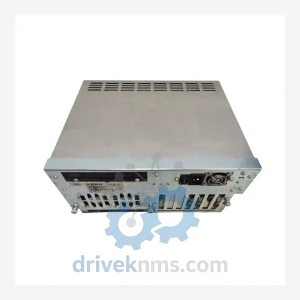
Kemro K2-700 OB781/D CNC Control System – KEBA Series
Kemro k2-700 OB781/D is listed for KEBA Series RFQ review. Confirm quantity, condition and destination before quotation.
RFQ-ready industrial model
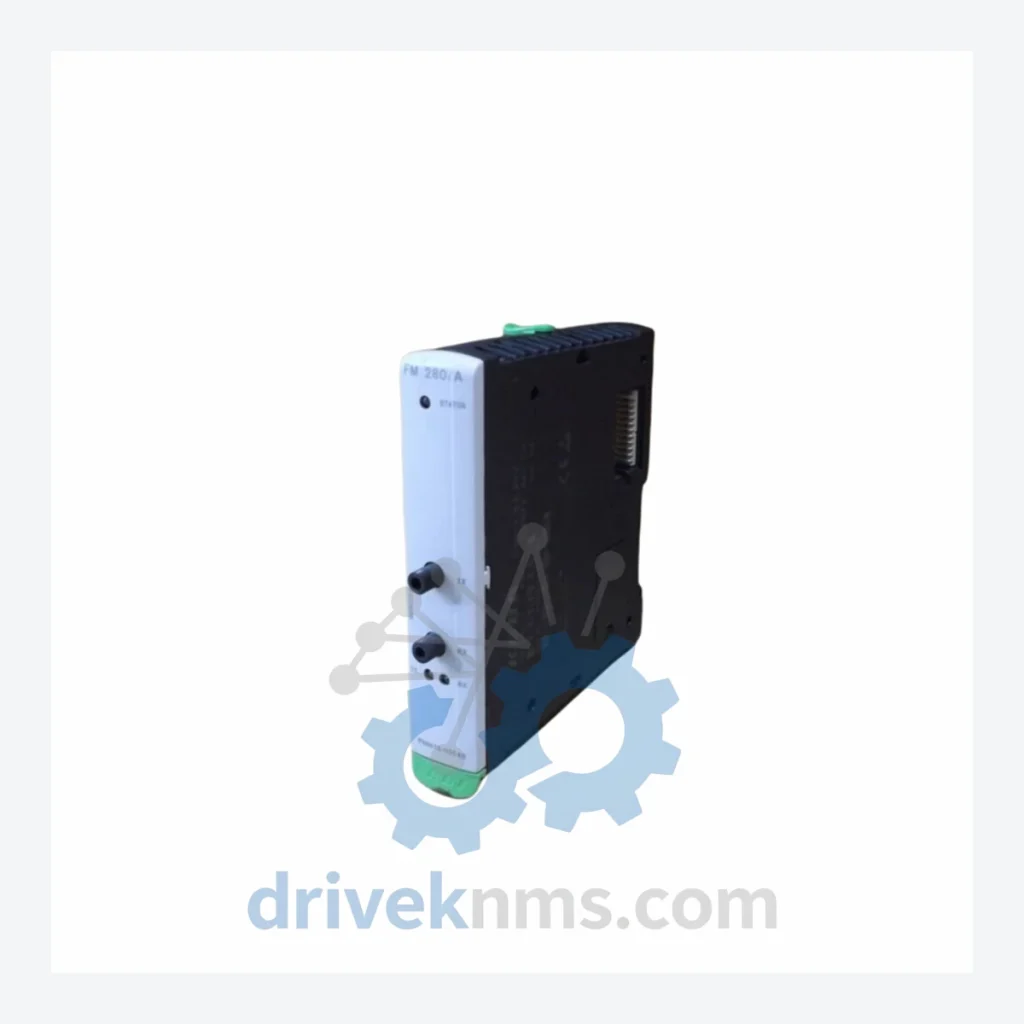
Model: FM280/A
Product Overview
Commercial availability is handled through direct RFQ, model verification and export-oriented follow-up rather than public cart checkout.
Datasheet Preview
Use attached product manuals when available. If the manual is not public yet, request the full file directly through RFQ.
Commercial Path
Product pages on DRIVEKNMS are designed to verify model, brand and series first, then move the buyer into one clean quotation path.
Technical Dossier
DriveKNMS reviews sourcing options for this model through RFQ handling before quotation.
RFQ support for obsolete parts: Send the model number, required quantity and destination so DriveKNMS can confirm sourcing options before quotation.
Note: Specific electrical parameters (voltage ratings, I/O counts, communication protocol version) are confirmed individually per unit upon request. No parameters are published without physical verification to ensure accuracy and equipment safety.
KEBA automation systems — particularly those deployed in plastics processing, robotics, and press control applications — were engineered for decade-long service cycles. The FM280/A interface module occupies a non-negotiable position in these architectures: it handles the structured data exchange between the central controller and peripheral I/O or drive systems. There is no generic substitute. Replacing it with a non-OEM alternative requires firmware-level reconfiguration, re-mapping of I/O assignments, and in many cases, a full revalidation of the machine's safety functions.
Every KEBA FM280/A unit processed by DriveKNMS passes a structured 5-stage inspection protocol before it is offered for sale. This protocol is designed specifically for the failure modes common to legacy industrial electronics:
Stage 1 – Visual and Mechanical Inspection: Full examination of the PCB, connector pins, and housing for physical damage, corrosion, or evidence of prior field failure.
Stage 2 – Electrolytic Capacitor Assessment: Aging electrolytic capacitors are the leading cause of latent failure in stored industrial modules. Each unit is inspected for capacitor bulging, leakage, and ESR deviation. Units with degraded capacitors are either reconditioned or rejected.
Stage 3 – Firmware and Label Verification: Where accessible, firmware version markings and hardware revision labels are cross-referenced against known production records to confirm the unit matches the correct revision for the target application.
Q: How are RFQ terms confirmed?
A: Quantity, required condition, documentation needs, destination and sourcing route are confirmed during RFQ review before quotation.
The FM280/A is a direct, drop-in replacement for the original module position within compatible KEBA control cabinets. No hardware modifications to the host system are required. No reprogramming of the central controller is necessary when replacing a failed unit with an identical revision FM280/A. This eliminates the engineering cost and production risk associated with non-OEM substitutions.
Facilities managing multiple KEBA-controlled machines are advised to treat the FM280/A as a shared critical spare — one unit held in reserve can protect an entire fleet of machines sharing the same control platform.
Q: How is condition confirmed before quotation?
A: Available condition, photos, test records and documentation are checked according to the requested model and sourcing channel before a formal RFQ response.
Can you source other KEBA obsolete parts?
Yes. DriveKNMS specializes in hard-to-find and discontinued industrial automation components across multiple brands. Contact us with your full part number and required quantity.
Continue The Model Path
Move from this exact model into the matching system hub, brand archive, model-family archive or lifecycle sourcing route before sending a final RFQ list.
Related Paths
Kemro k2-700 OB781/D is listed for KEBA Series RFQ review. Confirm quantity, condition and destination before quotation.
Keba KVME AT8/486/25B 40240 GEB is listed for KVME Series RFQ review. Confirm quantity, condition and destination before quotation.
Keba DI325/B is listed for CP/DP Series RFQ review. Confirm quantity, condition and destination before quotation.