
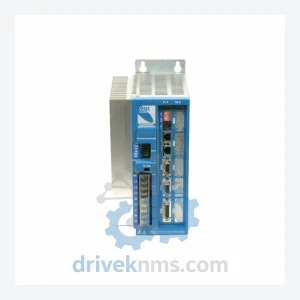
Kollmorgen MMC-SD-1.0-230-D Servo Drive – Obsolete MMC Series Spare Part
Kollmorgen MMC-SD-1.0-230-D is listed for Monitoring Systems RFQ review. Confirm quantity, condition and destination before quotation.
RFQ-ready industrial model
Model: 64WKS-M240/50-RLG
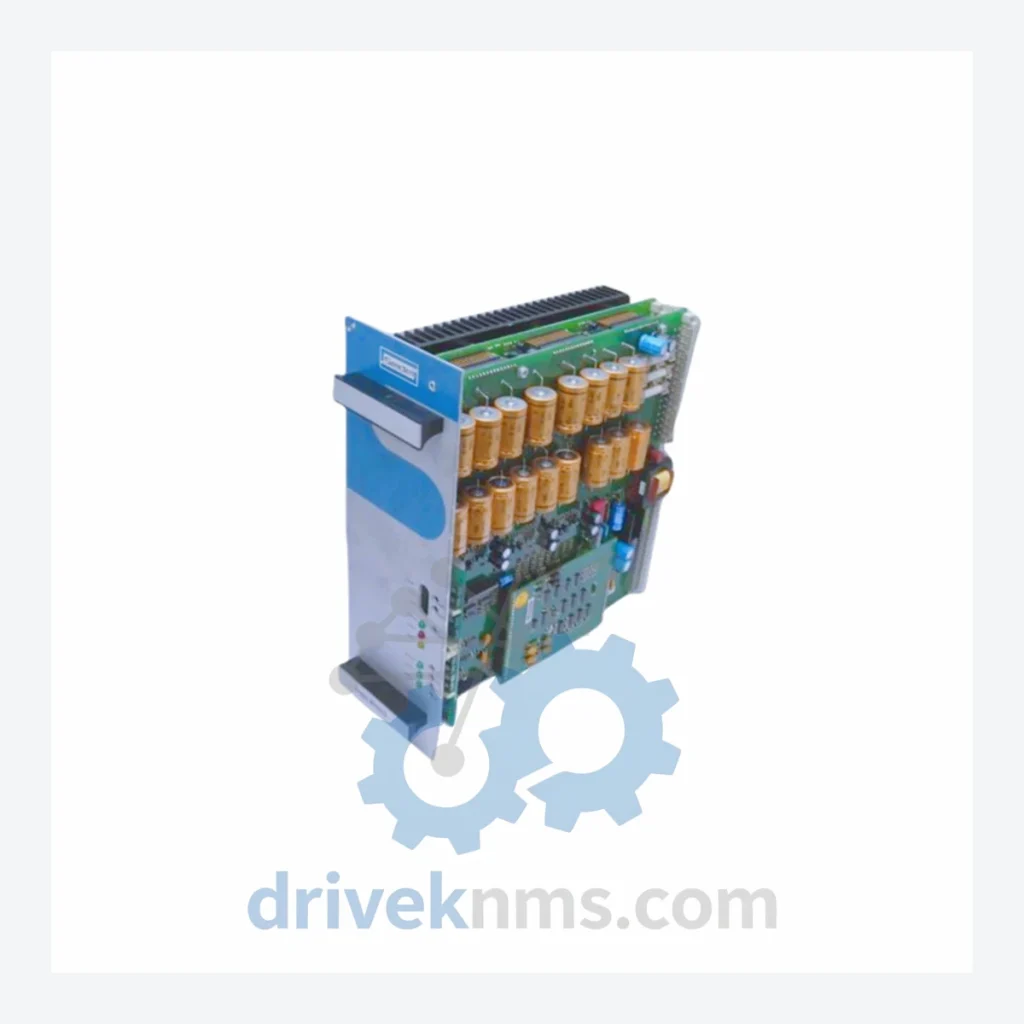
Product Overview
Commercial availability is handled through direct RFQ, model verification and export-oriented follow-up rather than public cart checkout.
Datasheet Preview
Use attached product manuals when available. If the manual is not public yet, request the full file directly through RFQ.
Commercial Path
Product pages on DRIVEKNMS are designed to verify model, brand and series first, then move the buyer into one clean quotation path.
Technical Dossier
RFQ support for obsolete parts: Send the model number, required quantity and destination so DriveKNMS can confirm sourcing options before quotation.
| Manufacturer | KOLLMORGEN |
| Part Number | 64WKS-M240/50-RLG |
| Series | BDS / 6000 Series Legacy Servo Drive |
| Category | AC Servo Drive / Amplifier |
| Feedback Type | Resolver (RLG designation) |
| Output Configuration | 240V, 50A (per model suffix M240/50) |
| OEM Support Status | Discontinued – No longer manufactured or supported by KOLLMORGEN |
| Compatible Systems | Legacy KOLLMORGEN BDS, 6000-series servo systems; resolver-based multi-axis CNC and motion control platforms |
| Country of Origin | United States |
Note: Electrical parameters are stated based on model suffix interpretation. Confirm all specifications against your original system documentation before installation. DriveKNMS does not fabricate or estimate parameters.
The KOLLMORGEN BDS-series and its associated 6000-series amplifier platform were widely deployed through the 1990s and early 2000s in precision motion applications: CNC machining centers, semiconductor handling equipment, textile machinery, and industrial robotics. The resolver-based feedback architecture (denoted by the RLG suffix) was a deliberate engineering choice for environments where optical encoders were considered fragile — high-vibration, high-temperature, or contaminated settings.
KOLLMORGEN has since migrated its product line to the AKD and S700 platforms, which use entirely different communication protocols (EtherCAT, SynqNet) and feedback interfaces. There is no direct drop-in replacement from the current catalog for a 64WKS-M240/50-RLG in an existing BDS-architecture system. Substituting a modern drive requires resolver-to-encoder conversion hardware, firmware reconfiguration, and in most cases, re-tuning of all motion profiles — a process that can take weeks of engineering time on a complex machine.
Obsolete servo drives present specific failure modes that differ from standard electronic components. DriveKNMS applies a 5-step inspection and reconditioning protocol to every 64WKS-M240/50-RLG unit before it is offered for sale:
Step 1 – Electrolytic Capacitor Assessment: DC bus and filter capacitors are the primary age-related failure point in drives of this vintage. Each unit undergoes capacitance measurement and ESR testing. Capacitors showing degradation beyond manufacturer tolerance are replaced with equivalent-rated components.
Step 2 – Firmware Version Verification: Where accessible, the drive's firmware revision is documented and cross-referenced against known compatibility matrices for the target BDS system version. Mismatched firmware between drive and controller is a common cause of post-installation faults.
Step 3 – Terminal and Pin Corrosion Inspection: All connector pins, power terminals, and resolver interface contacts are inspected under magnification. Oxidized contacts are treated; severely corroded connectors are replaced.
Step 4 – Power-On Functional Test: The unit is energized under controlled conditions and basic drive response is verified. Fault code behavior is logged.
Step 5 – Packaging and ESD Protection: Units are packaged in anti-static materials with desiccant. Long-term storage units receive additional moisture barrier packaging.
Drop-in replacement: The 64WKS-M240/50-RLG installs directly into the existing BDS system slot. No hardware modifications to the machine frame, cable harness, or resolver wiring are required.
No reprogramming required: The replacement drive accepts the existing parameter set from the machine controller. There is no need to re-enter motion profiles, gain settings, or axis configurations — provided the firmware revision is compatible.
Avoids engineering reconstruction costs: Retaining the original drive architecture eliminates the need for system integrator involvement, re-commissioning, and re-validation. For regulated industries (medical device manufacturing, aerospace component machining), this also avoids re-qualification of the production process.
Extends asset life by 5–10 years: A single verified spare, correctly stored, provides the operational insurance needed to run existing equipment through its full economic life cycle without forced capital expenditure on premature system replacement.
Q: How are RFQ terms confirmed?
A: Quantity, required condition, documentation needs, destination and sourcing route are confirmed during RFQ review before quotation.
Q: How do I know the unit is genuine and not a counterfeit or misrepresented part?
A: All units are sourced from documented industrial surplus channels. Physical inspection includes label verification, board markings, and component dating. We do not source from unverified secondary markets. Inspection reports are available on request.
Continue The Model Path
Move from this exact model into the matching system hub, brand archive, model-family archive or lifecycle sourcing route before sending a final RFQ list.
Related Paths
Kollmorgen MMC-SD-1.0-230-D is listed for Monitoring Systems RFQ review. Confirm quantity, condition and destination before quotation.
Kollmorgen S70102-NAPMNA is listed for Monitoring Systems RFQ review. Confirm quantity, condition and destination before quotation.
Kollmorgen DIGIFAS 7202 is listed for DIGIFAS Series RFQ review. Confirm quantity, condition and destination before quotation.