
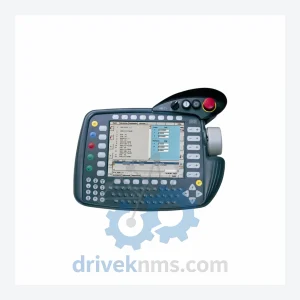
KUKA KCP2 VKCP2 Robot Control Panel – KCP Series
Kuka KCP2 VKCP2 is listed for KCP Series RFQ review. Confirm quantity, condition and destination before quotation.
RFQ-ready industrial model
Model: 00-134-932 033.33.32.00 F 00-181-359 ZH 210/240
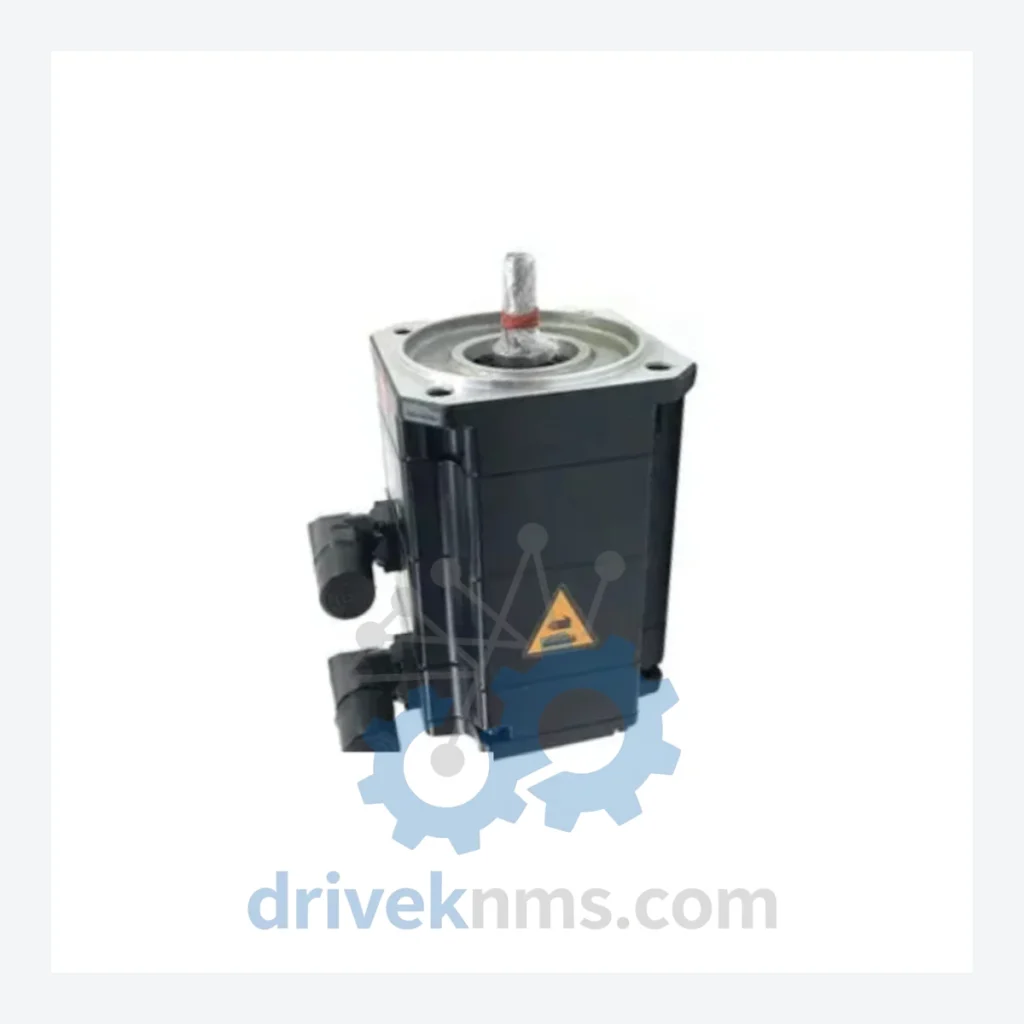
Product Overview
Commercial availability is handled through direct RFQ, model verification and export-oriented follow-up rather than public cart checkout.
Datasheet Preview
Use attached product manuals when available. If the manual is not public yet, request the full file directly through RFQ.
Commercial Path
Product pages on DRIVEKNMS are designed to verify model, brand and series first, then move the buyer into one clean quotation path.
Technical Dossier
RFQ support for obsolete parts: Send the model number, required quantity and destination so DriveKNMS can confirm sourcing options before quotation.
Note: Electrical and mechanical parameters are not published here to prevent specification errors. Confirmed technical data is provided upon request with your system documentation.
KUKA's KR C1 and KR C2 controller platforms powered a generation of automotive, foundry, and heavy-industry automation cells installed between the mid-1990s and early 2010s. Many of these systems remain in daily production use. KUKA has formally ended support and parts supply for these platforms, leaving plant engineers with a binary choice: source the physical hardware from the aftermarket, or commit to a capital-intensive robot cell replacement program.
The ZH 210/240 designation indicates a high-payload arm configuration — typically deployed in spot welding, material handling, and press-tending applications where the mechanical loads are severe and wear on structural arm components is accelerated. When this assembly reaches end-of-life, no bolt-on retrofit exists. The geometry, mounting interface, and cable routing are specific to the KR C era mechanical design. A replacement arm from a current KUKA KR QUANTEC or KR AGILUS series is not a drop-in substitute — it requires new base frames, new cable dressing, and full kinematic recalibration.
For plant managers facing board-level pressure to defer capital expenditure, the arithmetic is straightforward: one verified spare arm assembly at aftermarket cost versus a multi-year robot cell replacement project. The decision is not technical — it is financial.
How to extend your KUKA KR C system life by 5–10 years at low cost:
Sourcing obsolete mechanical and electromechanical assemblies from the aftermarket carries inherent risk. DriveKNMS applies a structured 5-step quality process to every unit before dispatch review:
Condition grade and any identified findings are disclosed in writing with every shipment. We do not ship units with undisclosed defects.
How do I confirm this is a genuine KUKA component and not a counterfeit?
All units supplied by DriveKNMS are sourced from documented industrial channels. Part numbers, casting marks, and revision labels are verified against KUKA's original parts documentation. Full provenance documentation is provided upon request.
Can you source other KUKA KR C era components?
Yes. DriveKNMS maintains an active sourcing network for KUKA KR C1, KR C2, and related legacy platform components. Submit your full parts list for a consolidated availability and pricing response.
Continue The Model Path
Move from this exact model into the matching system hub, brand archive, model-family archive or lifecycle sourcing route before sending a final RFQ list.
Related Paths
Kuka KCP2 VKCP2 is listed for KCP Series RFQ review. Confirm quantity, condition and destination before quotation.
Kuka KCP2 is listed for Servo Drives RFQ review. Confirm quantity, condition and destination before quotation.
Kuka KSD1-08 is listed for KSD Series RFQ review. Confirm quantity, condition and destination before quotation.