
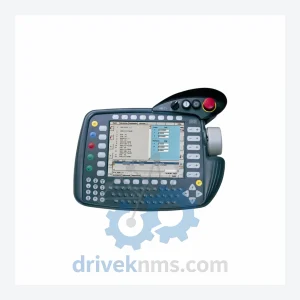
KUKA KCP2 VKCP2 Robot Control Panel – KCP Series
Kuka KCP2 VKCP2 is listed for KCP Series RFQ review. Confirm quantity, condition and destination before quotation.
RFQ-ready industrial model
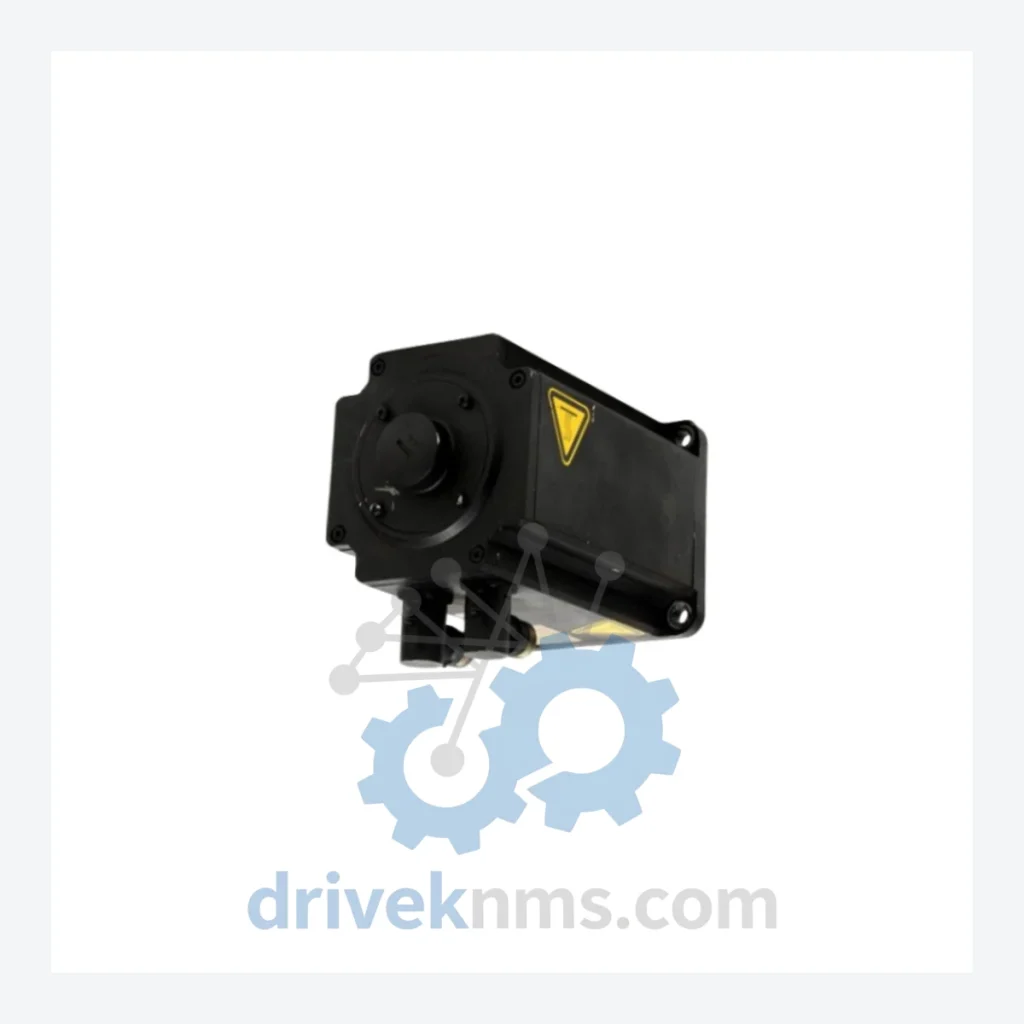
Model: 00-136-893 1FK7103-5AF81-1SH3-Z
Product Overview
Commercial availability is handled through direct RFQ, model verification and export-oriented follow-up rather than public cart checkout.
Datasheet Preview
Use attached product manuals when available. If the manual is not public yet, request the full file directly through RFQ.
Commercial Path
Product pages on DRIVEKNMS are designed to verify model, brand and series first, then move the buyer into one clean quotation path.
Technical Dossier
RFQ support for obsolete parts: Send the model number, required quantity and destination so DriveKNMS can confirm sourcing options before quotation.
| Parameter | Value |
|---|---|
| KUKA Part Number | 00-136-893 |
| Siemens Cross-Reference | 1FK7103-5AF81-1SH3-Z |
| Series | Siemens SIMOTICS S – 1FK7 |
| Motor Type | Synchronous Servo Motor |
| Shaft Height | 100 mm |
| Cooling Method | Natural convection (self-cooled) |
| Encoder Type | Absolute encoder (DRIVE-CLiQ interface) |
| Compatibility | KUKA KR C4 controller; Siemens SINAMICS S120 drive |
| RFQ terms review | Commercial terms are confirmed during RFQ review based on model, condition, documentation, quantity and destination. |
| OEM Production Status | Discontinued / End-of-Production |
| Availability at DriveKNMS | RFQ availability review – verified on hand |
Q: How are RFQ terms confirmed?
A: Quantity, required condition, documentation needs, destination and sourcing route are confirmed during RFQ review before quotation.
The 1FK7103-5AF81-1SH3-Z is a primary axis drive motor used across multiple KUKA KR series robots — including configurations found in KR 60, KR 100, and KR 150 platforms — where it handles the high-torque, precision-positioning demands of axes A1 through A3. The motor communicates with the KR C4 cabinet via DRIVE-CLiQ, a protocol that carries both power feedback and encoder data on a single cable. This tight hardware-software integration is precisely what makes a like-for-like replacement mandatory: substituting a different motor frame or encoder type requires re-parameterization of the KUKA system software, re-running the mastering procedure, and in regulated industries, re-validating the entire robot cell.
The broader principle applies across legacy automation assets: the economic life of a robot or CNC machine is not determined by the machine itself, but by the availability of its critical wear components. A structured obsolescence inventory — covering servo motors, drive modules, and communication cards — routinely extends productive asset life by five to ten years beyond the OEM support window. That extension defers a capital expenditure that, for a multi-robot cell, typically runs into the millions. Procurement teams that treat obsolete spare parts as a liability are, in practice, accepting a much larger contingent liability: the cost of an unplanned, unbudgeted system replacement triggered by a single component failure.
DriveKNMS applies a five-stage inspection protocol to every obsolete servo motor before it leaves our facility:
Units that do not pass all five stages are not offered for sale. Condition grade (New Surplus, Tested Refurbished, or As-Removed) is disclosed on every quotation.
Q: Can I order multiple units for a long-term spares buffer?
A: Yes. For facilities operating more than one KUKA robot on this platform, we recommend holding a minimum of one cold spare per three robots. Contact us to discuss volume availability and staged delivery schedules.
Q: What if my exact suffix configuration differs slightly?
A: The 1FK7 series uses suffix codes to specify shaft options, holding brake, and encoder variants. Send us your full nameplate part number and we will confirm compatibility or identify the closest verified substitute before any commitment is made.
Continue The Model Path
Move from this exact model into the matching system hub, brand archive, model-family archive or lifecycle sourcing route before sending a final RFQ list.
Related Paths
Kuka KCP2 VKCP2 is listed for KCP Series RFQ review. Confirm quantity, condition and destination before quotation.
Kuka KCP2 is listed for Servo Drives RFQ review. Confirm quantity, condition and destination before quotation.
Kuka KSD1-16 is listed for Servo Drives RFQ review. Confirm quantity, condition and destination before quotation.