
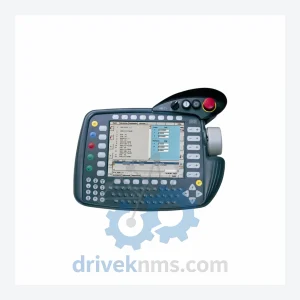
KUKA KCP2 VKCP2 Robot Control Panel – KCP Series
Kuka KCP2 VKCP2 is listed for KCP Series RFQ review. Confirm quantity, condition and destination before quotation.
RFQ-ready industrial model
Model: 00-176-037 00-176-037 00-262-652 00-262-652 00-178-888 00-178-888
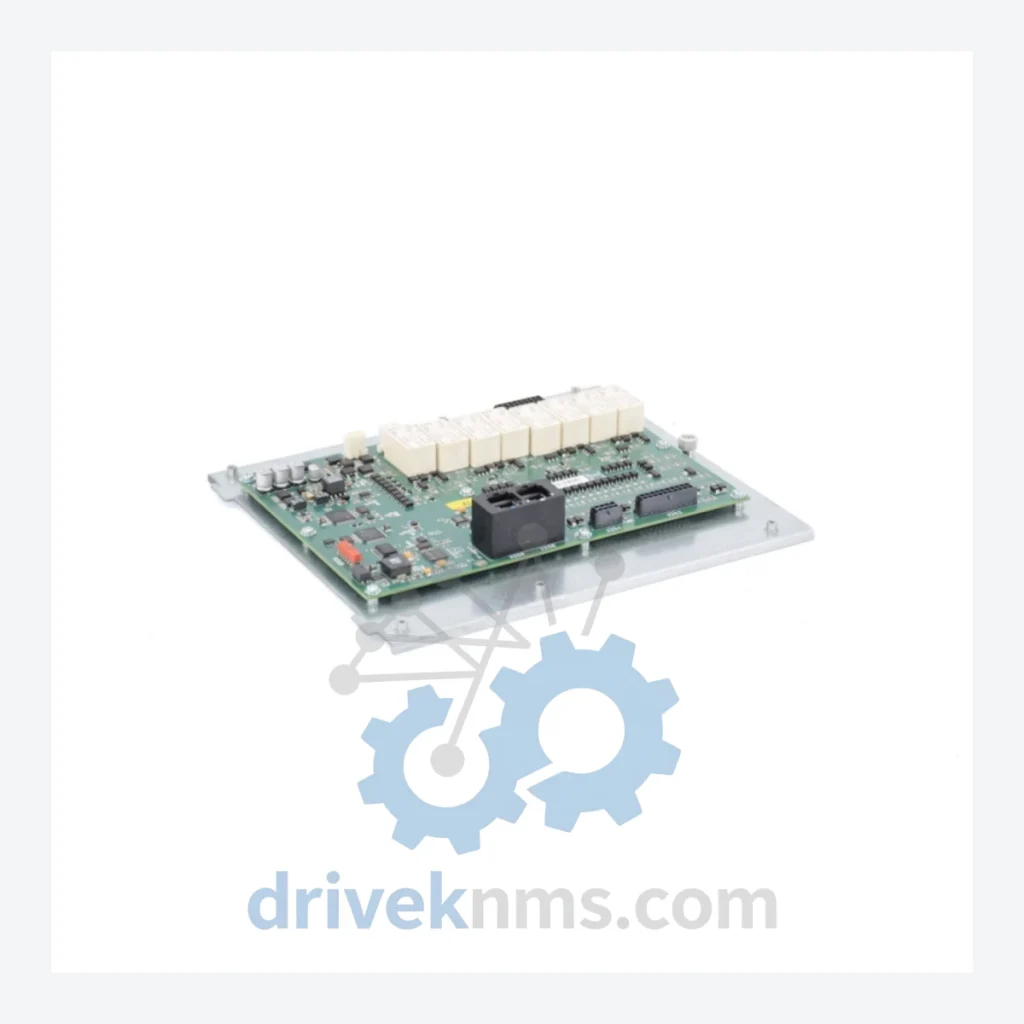
Product Overview
Commercial availability is handled through direct RFQ, model verification and export-oriented follow-up rather than public cart checkout.
Datasheet Preview
Use attached product manuals when available. If the manual is not public yet, request the full file directly through RFQ.
Commercial Path
Product pages on DRIVEKNMS are designed to verify model, brand and series first, then move the buyer into one clean quotation path.
Technical Dossier
RFQ support for obsolete parts: Send the model number, required quantity and destination so DriveKNMS can confirm sourcing options before quotation.
Note: Electrical and torque parameters vary by axis assignment. Confirmed specifications are provided upon request with axis and robot model details. No parameters are published here that cannot be independently verified.
KUKA KR-series robots were the backbone of automotive body shops, foundry handling lines, and heavy-payload palletizing cells throughout the 1990s and 2000s. Many of these installations remain mechanically sound — the structural frames, wiring harnesses, and KRC controllers continue to function within specification. The reducer is the single highest-wear component in the kinematic chain. It absorbs the full torque load of every axis movement across millions of cycles. When it fails, the robot is down. When the OEM no longer supplies the part, the facility faces a forced decision between an unbudgeted capital replacement and an extended production gap.
The reducers covered by 00-176-037, 00-262-652, and 00-178-888 are RV-type or harmonic-drive assemblies (axis-dependent) that were engineered to KUKA's original torque and backlash specifications. No current-generation aftermarket equivalent matches the mechanical interface without modification. This is not a component where a generic substitute is viable. The only path to restoring the robot to its original repeatability specification is an OEM-matched reducer — which means sourcing from remaining global inventory rather than from KUKA's active supply chain.
Facilities that have invested in KUKA KR-series infrastructure — including the tooling, fixtures, and process programs built around those robots — have a direct financial interest in extending the operational life of those assets. The cost of a verified reducer is a fraction of the cost of the alternative. The decision is not sentimental; it is a straightforward capital allocation calculation.
Factory management facing system retirement pressure from maintenance teams often underestimate the remaining service life available in a mechanically sound robot body. The following strategy has been applied successfully across automotive, aerospace, and process industries to defer replacement capital expenditure by five to ten years:
1. Reducer replacement as the primary intervention. In the majority of KR-series end-of-life cases, axis reducer wear — not controller failure, not structural fatigue — is the proximate cause of retirement. Replacing the reducer restores the robot to its original repeatability specification. The KRC2 or KRC3 controller, the teach pendant, and the process program remain untouched.
2. Preventive spare procurement. Once a robot is confirmed operational post-reducer replacement, procuring a second unit as a cold spare eliminates the next failure event as a production crisis. The cost of holding a spare reducer is negligible against the cost of an unplanned line stoppage. For facilities running multiple KR-series units, a shared spare pool across the fleet is the most capital-efficient approach.
4. Controller firmware stabilization. KRC2 and KRC3 controllers running stable firmware versions should not be updated. Firmware changes on legacy controllers introduce compatibility risks with existing process programs. Freeze the software environment and document it. The robot's value is in its calibrated process, not in its software version.
This approach does not require engineering consultants or capital approval processes. It requires a verified spare part and a competent maintenance team. The total cost of a five-year asset extension program built around reducer sourcing and preventive spares is typically less than 8% of the cost of a new robot installation.
Discontinued components sourced from secondary markets carry inherent condition risk. DriveKNMS applies a five-step inspection protocol to all reducer units before dispatch review:
Step 1 – Visual and mechanical inspection. External housing examined for impact damage, corrosion, and seal integrity. Input and output flanges checked for dimensional conformance.
Step 2 – Electrolytic capacitor assessment (where applicable). For units with integrated electronics, capacitor condition is evaluated. Aged electrolytic capacitors are a primary failure mode in stored components and are replaced where degradation is identified.
Step 3 – Firmware and label verification. Part number markings, date codes, and any embedded firmware identifiers are cross-referenced against KUKA's documented part genealogy to confirm authenticity and revision level.
Step 4 – Pin and connector corrosion inspection. All electrical connectors and mechanical interface surfaces are inspected for oxidation and corrosion. Affected surfaces are treated or the unit is rejected from inventory.
Step 5 – Functional verification. Where test equipment is available for the specific axis configuration, units are run through a load cycle prior to packaging. Units that cannot be functionally tested are clearly identified as inspected-only and priced accordingly.
Condition grade and inspection findings are documented and provided with each shipment.
Drop-in replacement. These reducer assemblies match the original KUKA mechanical interface. No adapter plates, no re-machining of mounting surfaces, no modification to the robot arm structure. The replacement unit installs in the same position as the original.
No re-programming required. Because the mechanical interface is identical, the robot's existing mastering offsets and process programs remain valid after reducer replacement. The only post-installation step is axis mastering — a standard maintenance procedure that takes less than 30 minutes with a KUKA EMT or dial gauge.
No engineering re-qualification. In regulated industries — automotive, food processing, pharmaceuticals — robot re-qualification after a component change is a documented process. A like-for-like reducer replacement under the same part number does not trigger a full re-qualification in most quality management frameworks. Confirm with your quality team, but the engineering burden is substantially lower than a robot replacement.
Q: Should I buy more than one unit?
A: For facilities running more than two KR-series robots of the same model, holding at least one cold spare is the operationally sound position. These part numbers will not return to active production. Current available inventory represents a finite global supply. Procurement decisions made now determine whether a future failure event is a maintenance task or a capital crisis.
Continue The Model Path
Move from this exact model into the matching system hub, brand archive, model-family archive or lifecycle sourcing route before sending a final RFQ list.
Related Paths
Kuka KCP2 VKCP2 is listed for KCP Series RFQ review. Confirm quantity, condition and destination before quotation.
Kuka KCP2 is listed for Servo Drives RFQ review. Confirm quantity, condition and destination before quotation.
Kuka KSD1-16 is listed for Servo Drives RFQ review. Confirm quantity, condition and destination before quotation.