
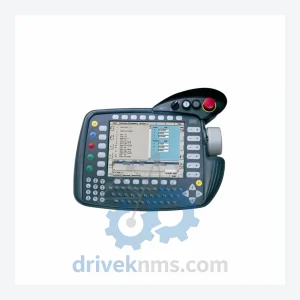
KUKA KCP2 Teach Pendant Modules
KUKA KCP2 Series: Comprehensive Module Range and Technical Overview The KUKA KCP2 (KUKA Control Panel 2) teach pendant is the…
Model: 00-178-889 00-178-889 00-170-821 00-170-821 00-170-820 00-170-820
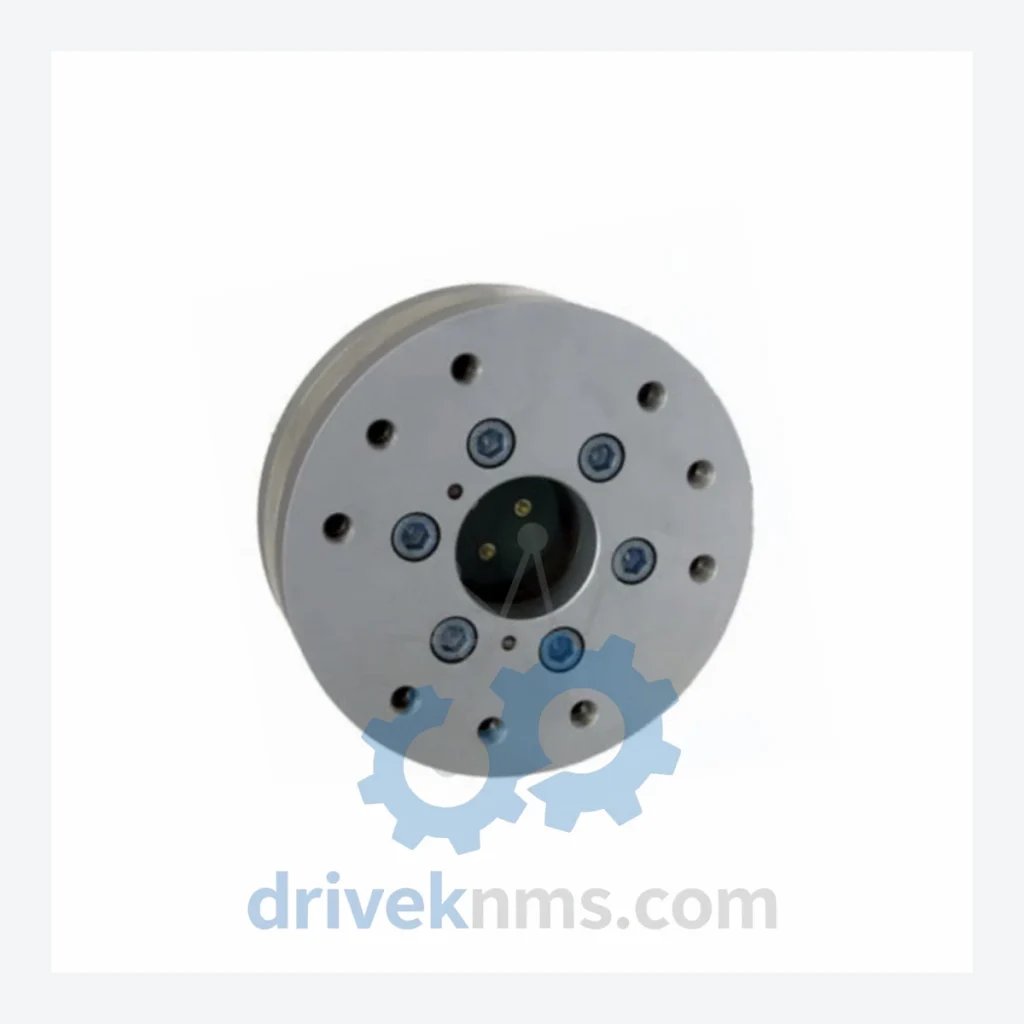
Product Overview
Commercial availability is handled through direct RFQ, model verification and export-oriented follow-up rather than public cart checkout.
Datasheet Preview
Use attached product manuals when available. If the manual is not public yet, request the full file directly through RFQ.
Commercial Path
Product pages on DRIVEKNMS are designed to verify model, brand and series first, then move the buyer into one clean quotation path.
Technical Dossier
KUKA servo motors — including part numbers 00-178-889, 00-170-821, and 00-170-820 — are core motion components deployed across KUKA KR, KRC, and AGILUS robot platforms in heavy industrial environments including automotive body shops, chemical processing facilities, nuclear maintenance cells, and oil refinery automation lines. These motors are integrated into KUKA's KRC2, KRC4, and KRC5 controller ecosystems and are responsible for axis-level torque generation, position feedback, and dynamic load control. Their global installed base spans hundreds of thousands of robot units, making reliable spare parts sourcing a critical operational requirement for maintenance engineers worldwide.
KUKA servo motors have evolved through three distinct generations aligned with controller platform transitions. The first generation, compatible with the KRC1 and early KRC2 controllers (circa 1995–2005), used resolver-based feedback and analog drive interfaces. These motors were characterized by their robust cast-aluminum housings and were rated for continuous duty in high-cycle welding and press-tending applications.
The second generation, introduced alongside the KRC2 ed05 and KRC4 platforms (2005–2018), transitioned to EnDat 2.1 and SinCos encoder feedback, enabling higher resolution positioning and improved thermal management. Part numbers in the 00-170-xxx and 00-178-xxx ranges belong primarily to this generation, covering axis 1 through axis 6 configurations across multiple robot payload classes.
The third generation, aligned with KRC5 and iiQKA.OS (2019–present), introduced integrated motor-drive units and EtherCAT-based communication. Legacy motors from the second generation remain in active service across the global installed base and require ongoing spare parts support, as full robot replacement is not economically viable for most end users.
The following part numbers represent the verified KUKA servo motor range across KRC2 and KRC4 platforms, classified by axis assignment and robot series:
00-178-889: KRC4 axis 1–3 servo motor, high-torque configuration for KR 120/180/210 R2700 series.
00-170-821: KRC4 mid-range axis motor, used in KR AGILUS and KR 6/10/16 compact series axis 4–6.
00-170-820: KRC4 servo motor variant, axis 5–6 low-inertia configuration for high-speed pick-and-place applications.
00-130-468: KRC2 axis 1 primary drive motor, resolver feedback, KR 150/200/210 series.
00-130-469: KRC2 axis 2 servo motor, matched pair with 00-130-468 for balanced wrist dynamics.
00-130-470: KRC2 axis 3 motor, intermediate payload class, KR 125/150 series.
00-109-487: KRC2 axis 4 wrist motor, compact form factor, SinCos encoder.
00-109-488: KRC2 axis 5 servo motor, low-profile housing for confined wrist assembly.
00-109-489: KRC2 axis 6 end-effector drive motor, high-speed rotation, resolver feedback.
00-160-331: KRC4 axis 1 motor for KR QUANTEC series, high continuous torque rating.
00-160-332: KRC4 axis 2 motor, QUANTEC series, reinforced bearing for cantilevered load.
00-160-333: KRC4 axis 3 motor, QUANTEC series, thermal class F insulation.
00-185-652: KRC4 compact axis motor, KR 3 AGILUS series, miniaturized servo with integrated brake.
00-185-653: KRC4 axis motor, KR 6 AGILUS, matched to KSD1-16 servo drive module.
00-185-654: KRC4 axis motor, KR 10 AGILUS, EnDat 2.2 encoder, IP65 rated housing.
00-192-741: KRC5 compatible servo motor, EtherCAT interface, KR IONTEC series axis 1–3.
00-192-742: KRC5 axis 4–6 motor, KR IONTEC, integrated temperature sensor, reduced cabling design.
The KRC2 platform reached end-of-life support from KUKA in 2019, and KRC4 extended support is scheduled through 2027. For facilities operating legacy KUKA robots beyond these dates, OEM spare parts availability through standard distribution channels becomes unreliable. DriveKNMS maintains a dedicated inventory of KRC2 and KRC4 servo motors — including 00-178-889, 00-170-821, and 00-170-820 — sourced from decommissioned robot lines, certified refurbishers, and authorized surplus channels.
All units are cataloged by part number, firmware compatibility, and encoder type to ensure cross-platform accuracy. For obsolete resolver-based motors from the KRC1 era, DriveKNMS provides encoder conversion assessment services to evaluate compatibility with modern KRC4 drive modules. Lead times for in-stock units are typically 1–3 business days with global DHL/FedEx freight options.
KUKA servo motors present specific test challenges due to their integrated brake assemblies, multi-pole resolver or EnDat encoder interfaces, and thermistor circuits. DriveKNMS applies a structured test protocol to each unit prior to dispatch:
Winding resistance verification: Phase-to-phase and phase-to-ground resistance measured against OEM specification sheets for each part number.
Insulation resistance test: 500V DC Megger test applied to confirm winding insulation integrity above 100MΩ.
Encoder signal validation: SinCos and EnDat encoder outputs verified using dedicated signal analyzers; resolver units tested for transformation ratio and phase accuracy.
Brake release and holding torque test: 24VDC brake coil energized and holding torque measured against rated specification.
Thermistor continuity check: PTC thermistor resistance verified within KTY84 or PT1000 specification range.
Bearing inspection: Manual rotation check for smooth operation; axial and radial play measured against tolerance limits.
Test records are retained per serial number and available upon request for quality audit purposes.
Related Paths
KUKA KCP2 Series: Comprehensive Module Range and Technical Overview The KUKA KCP2 (KUKA Control Panel 2) teach pendant is the…
KUKA KCP2 VKCP2 Robot Control Panel: Sourcing Strategy & Asset Return Value in a Constrained Global Supply Chain The KUKA…
KUKA KSD1-08 Servo Drive: Procurement Strategy & Asset Return Value in a Constrained Supply Chain The KUKA KSD1-08 is a…