
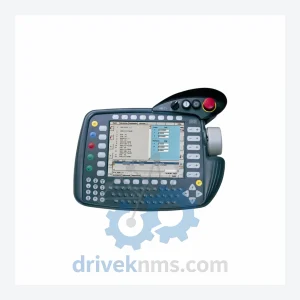
KUKA KCP2 VKCP2 Robot Control Panel – KCP Series
Kuka KCP2 VKCP2 is listed for KCP Series RFQ review. Confirm quantity, condition and destination before quotation.
RFQ-ready industrial model
Model: 00-198-260.KPP600-20-1X40
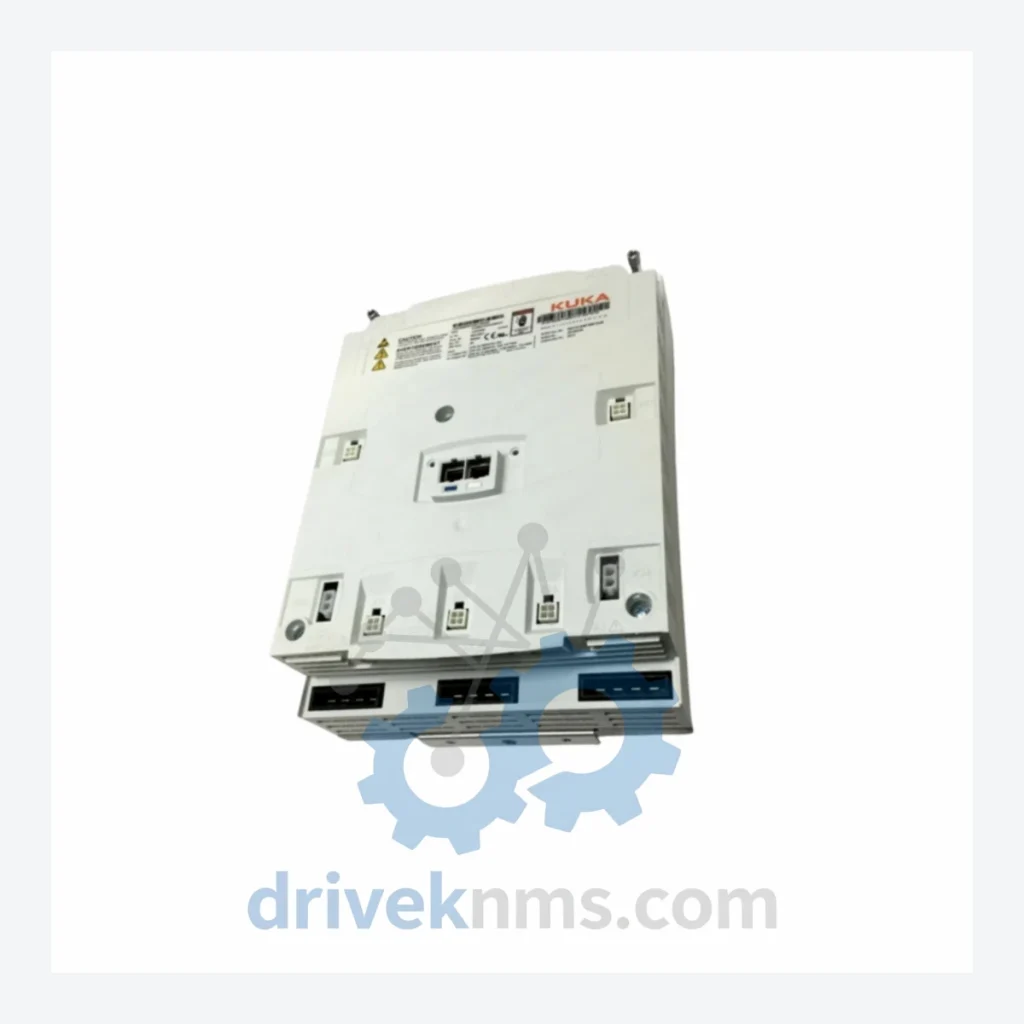
Product Overview
Commercial availability is handled through direct RFQ, model verification and export-oriented follow-up rather than public cart checkout.
Datasheet Preview
Use attached product manuals when available. If the manual is not public yet, request the full file directly through RFQ.
Commercial Path
Product pages on DRIVEKNMS are designed to verify model, brand and series first, then move the buyer into one clean quotation path.
Technical Dossier
DriveKNMS reviews sourcing options for discontinued components through RFQ handling before quotation.
RFQ support for obsolete parts: Send the model number, required quantity and destination so DriveKNMS can confirm sourcing options before quotation.
| Field | Detail |
|---|---|
| Manufacturer | KUKA Roboter GmbH |
| Part Number | 00-198-260.KPP600-20-1X40 |
| Series | KPP600 |
| Device Type | Teach Pendant (Hand-Held Programmer) |
| Compatible Controllers | KUKA KRC2, KRC3 |
| Country of Origin | Germany |
| Discontinuation Status | Officially discontinued – no longer in KUKA active catalog |
| Successor | KUKA smartPAD (requires KRC4 or later – not a drop-in replacement) |
Note: Electrical parameters specific to this unit are not published in open documentation. DriveKNMS does not fabricate specifications. Contact us for verified datasheet access where available.
The KUKA KRC2 and KRC3 platforms were deployed extensively throughout the 2000s and early 2010s across automotive body shops, foundries, and general assembly lines. Many of these installations remain mechanically sound — robot arms with well-maintained gearboxes and motors can operate reliably for 20 to 30 years. The controller and its peripherals, however, are the weak point. The teach pendant is the primary human interface for every programming, jogging, and diagnostic operation. Without a functioning pendant, the robot cannot be operated manually, faults cannot be cleared interactively, and new programs cannot be loaded.
Discontinued hardware sourced from the secondary market carries inherent risk. DriveKNMS applies a structured 5-step inspection protocol before any unit is offered for sale:
Q: How do I know the unit is genuine and not a counterfeit?
A: All units sourced by DriveKNMS are inspected for OEM markings, serial number format consistency, and board-level construction quality. We do not handle units where provenance cannot be reasonably established. Documentation of inspection findings is available on request.
Q: Can this pendant be used with a KRC4 controller?
A: No. The KRC4 platform uses the smartPAD interface, which is electrically and mechanically incompatible with the KPP600 pendant. This unit is specific to KRC2 and KRC3 installations.
Continue The Model Path
Move from this exact model into the matching system hub, brand archive, model-family archive or lifecycle sourcing route before sending a final RFQ list.
Related Paths
Kuka KCP2 VKCP2 is listed for KCP Series RFQ review. Confirm quantity, condition and destination before quotation.
Kuka KCP2 is listed for Servo Drives RFQ review. Confirm quantity, condition and destination before quotation.
Kuka KSD1-16 is listed for Servo Drives RFQ review. Confirm quantity, condition and destination before quotation.