
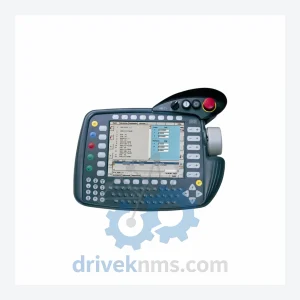
KUKA KCP2 VKCP2 Robot Control Panel – KCP Series
Kuka KCP2 VKCP2 is listed for KCP Series RFQ review. Confirm quantity, condition and destination before quotation.
RFQ-ready industrial model
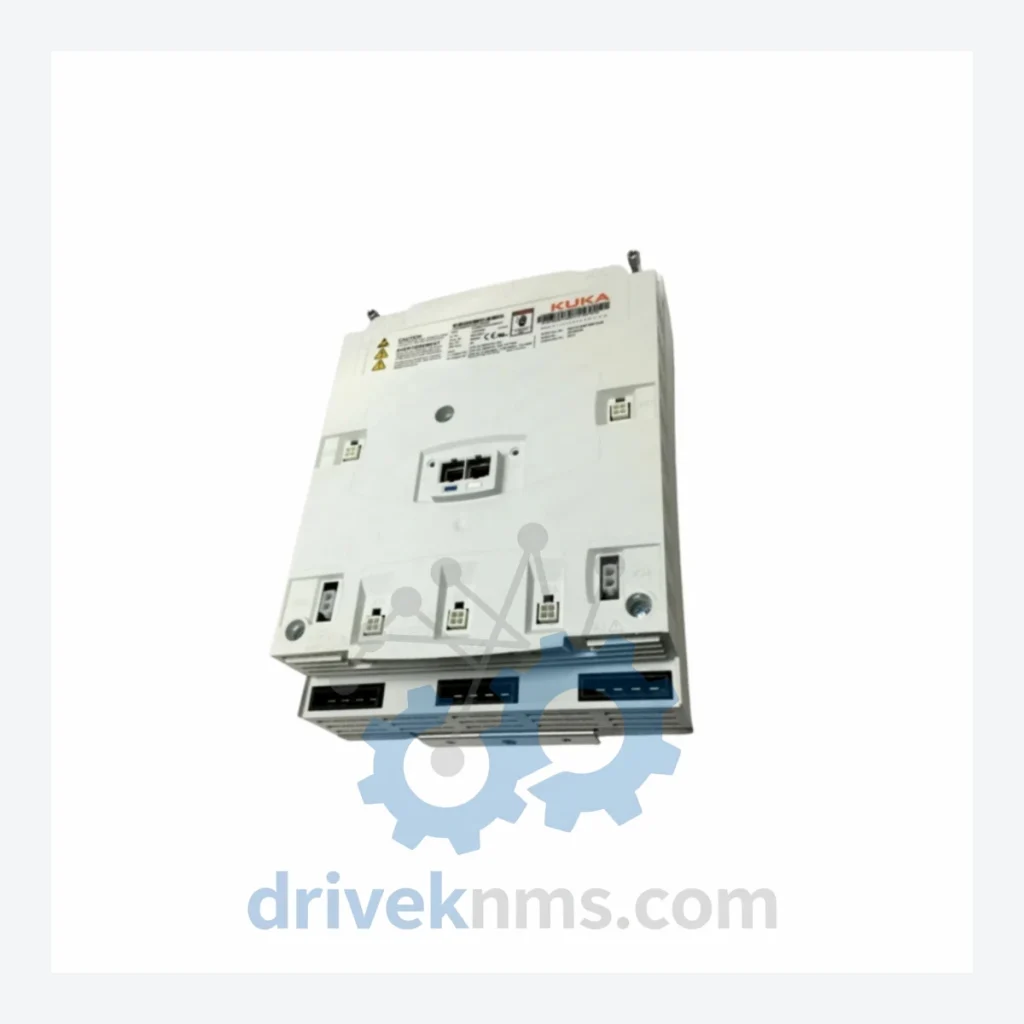
Model: 00-198-268 ECMBS3D4444BE531 KSP600-3x40
Product Overview
Commercial availability is handled through direct RFQ, model verification and export-oriented follow-up rather than public cart checkout.
Datasheet Preview
Use attached product manuals when available. If the manual is not public yet, request the full file directly through RFQ.
Commercial Path
Product pages on DRIVEKNMS are designed to verify model, brand and series first, then move the buyer into one clean quotation path.
Technical Dossier
RFQ support for obsolete parts: Send the model number, required quantity and destination so DriveKNMS can confirm sourcing options before quotation.
| Parameter | Detail |
|---|---|
| Manufacturer | KUKA Roboter GmbH |
| Part Number | 00-198-268 |
| Module ID | ECMBS3D4444BE531 |
| Model | KSP600-3x40 |
| Series | KSP600 |
| Function | 3-axis servo drive controller module |
| Axis Count | 3 axes |
| Country of Origin | Germany |
| OEM Status | Discontinued – no longer manufactured or supplied by KUKA |
| Compatible Systems | KUKA KR C2, KR C2 ed05 robot controllers |
Note: Electrical parameters such as input voltage range, continuous current rating, and bus voltage are not published here to avoid inaccuracy. Confirmed specifications are provided upon request with supporting documentation.
The KSP600-3x40 is the power and motion control backbone of the three-axis drive cluster in KUKA KR C2 generation robot controllers. These controllers remain in active production service across automotive body-in-white lines, foundry tending cells, and palletising installations worldwide — many of which were commissioned between 2000 and 2012 and carry fully depreciated asset values on the balance sheet.
The discontinuation of the KSP600 series creates a specific and serious operational risk: a single drive module failure can ground an entire robot cell with no direct OEM replacement path. The engineering response — migrating to a KR C4 or KR C5 controller platform — requires mechanical re-mounting, new cabinet wiring, software migration from KSS to a current version, and re-validation of all safety functions. In a regulated manufacturing environment, that process takes weeks, not days.
Q: How are RFQ terms confirmed?
A: Quantity, required condition, documentation needs, destination and sourcing route are confirmed during RFQ review before quotation.
For plant managers operating under pressure to defer robot fleet renewal, the calculus is straightforward. The cost of sourcing and holding a verified KSP600-3x40 spare is a fraction of one shift of lost production, let alone the cost of an emergency controller retrofit. Facilities that have adopted a structured critical-spare strategy for their KUKA KR C2 fleets consistently report 5 to 10 additional years of productive asset life from equipment that would otherwise have been retired under financial duress rather than genuine technical obsolescence.
Obsolete servo drive modules sourced from the secondary market carry real risks: electrolytic capacitor degradation, firmware version mismatches, and pin corrosion from improper storage are the three failure modes that most frequently cause a replacement module to fail on first power-up. DriveKNMS applies a structured 5-step inspection protocol before any KSP600-3x40 unit is offered for sale.
Units that do not pass all five stages are not sold. Condition grade and inspection findings are documented and provided with each shipment.
Q: How is condition confirmed before quotation?
A: Available condition, photos, test records and documentation are checked according to the requested model and sourcing channel before a formal RFQ response.
Should I buy more than one unit?
For any facility operating more than two KR C2 robot cells, holding a minimum of two KSP600-3x40 spares is a defensible maintenance strategy. The module is no longer manufactured. Secondary market availability will continue to tighten. The cost of a second spare unit is negligible relative to the cost of a single unplanned production stoppage.
Continue The Model Path
Move from this exact model into the matching system hub, brand archive, model-family archive or lifecycle sourcing route before sending a final RFQ list.
Related Paths
Kuka KCP2 VKCP2 is listed for KCP Series RFQ review. Confirm quantity, condition and destination before quotation.
Kuka KCP2 is listed for Servo Drives RFQ review. Confirm quantity, condition and destination before quotation.
Kuka KSD1-16 is listed for Servo Drives RFQ review. Confirm quantity, condition and destination before quotation.