
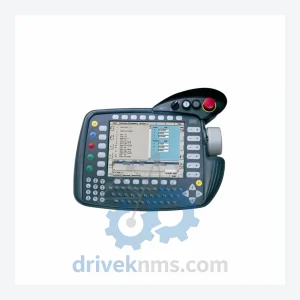
KUKA KCP2 Teach Pendant Modules
Kuka KCP2 is listed for Servo Drives RFQ review. Confirm quantity, condition and destination before quotation.
RFQ-ready industrial model
Model: 00-226-59600226596 KR6R900 56 TSMY0141
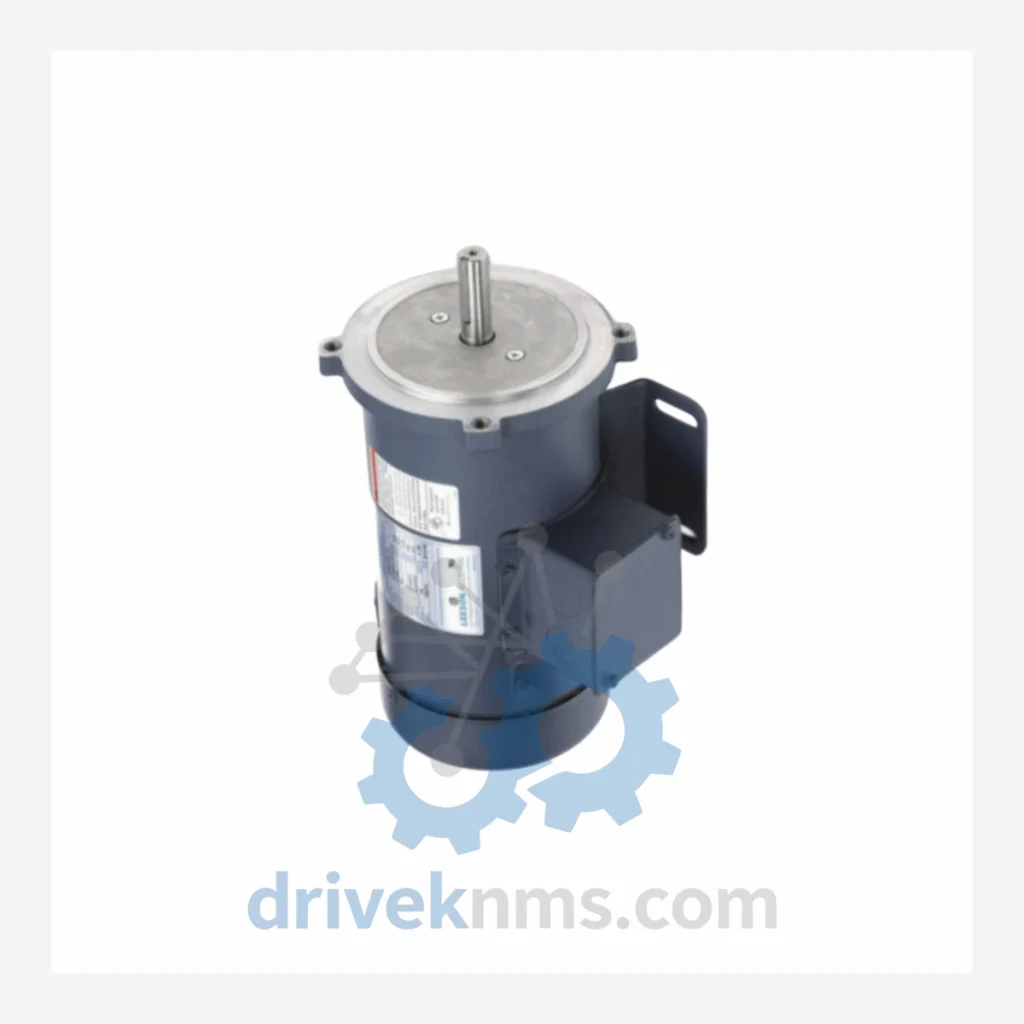
Product Overview
Commercial availability is handled through direct RFQ, model verification and export-oriented follow-up rather than public cart checkout.
Datasheet Preview
Use attached product manuals when available. If the manual is not public yet, request the full file directly through RFQ.
Commercial Path
Product pages on DRIVEKNMS are designed to verify model, brand and series first, then move the buyer into one clean quotation path.
Technical Dossier
DriveKNMS maintains RFQ-reviewed sourcing status of this component. For plant managers and maintenance engineers operating aging KUKA KR6 R900 cells, this listing represents a direct path to restoring production without capital expenditure on system replacement.
RFQ support for obsolete parts: Send the model number, required quantity and destination so DriveKNMS can confirm sourcing options before quotation.
| Parameter | Detail |
|---|---|
| Part Number | 00-226-59600226596 |
| Cross Reference | KR6R900 56 TSMY0141 |
| Brand | KUKA Robotics |
| Series | KR6 R900 |
| Product Category | Industrial Robot Axis / Drive Module |
| Country of Origin | Germany |
| OEM Status | Discontinued / Obsolete – No active production |
| Compatible Systems | KUKA KR6 R900 series robotic arms; KRC2 / KRC4 controller environments |
| Typical Application | Axis drive replacement in 6-axis articulated robot cells |
Note: Electrical parameters (voltage ratings, current draw, encoder resolution) are not published here to prevent misapplication. Please contact our technical team for verified datasheet confirmation prior to ordering.
The KUKA KR6 R900 platform was widely deployed in automotive sub-assembly, electronics manufacturing, and precision welding cells throughout the 2000s and 2010s. Many of these installations remain mechanically sound — the robot frames, wiring harnesses, and end-of-arm tooling represent capital investments that have been fully amortized but still deliver production value.
The failure point is almost never the mechanical structure. It is the drive electronics and axis modules — components that KUKA no longer manufactures or supports under standard service agreements. When part number 00-226-59600226596 fails, the OEM channel offers no resolution. The only alternatives are: source the part from the secondary market, or retire the entire robotic cell.
Retiring a functional KR6 R900 cell to replace a single axis module is an engineering and financial decision that cannot be justified when verified spare parts remain available. The secondary market — when sourced from a qualified supplier with documented QA processes — provides a direct, low-risk path to restoring full production capacity.
For plant managers facing pressure from corporate asset management teams to justify continued operation of legacy automation, a documented spare parts strategy built around verified secondary-market components is a defensible position. It extends asset life by 5 to 10 years at a fraction of the cost of system replacement, preserves existing operator training investments, and avoids the production disruption of a full cell changeover.
The strategic approach: identify the three to five highest-failure-risk components in each legacy robotic cell, secure RFQ-reviewed sourcing status of each, and document the procurement source and condition assessment. This converts an unmanaged obsolescence risk into a controlled maintenance program.
All obsolete parts supplied by DriveKNMS pass a structured 5-step inspection protocol before dispatch review:
Continue The Model Path
Move from this exact model into the matching system hub, brand archive, model-family archive or lifecycle sourcing route before sending a final RFQ list.
Related Paths
Kuka KCP2 is listed for Servo Drives RFQ review. Confirm quantity, condition and destination before quotation.
Kuka KCP2 VKCP2 is listed for KCP Series RFQ review. Confirm quantity, condition and destination before quotation.
Kuka KSD1-16 is listed for Servo Drives RFQ review. Confirm quantity, condition and destination before quotation.