
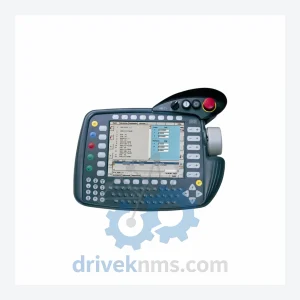
KUKA KCP2 VKCP2 Robot Control Panel – KCP Series
Kuka KCP2 VKCP2 is listed for KCP Series RFQ review. Confirm quantity, condition and destination before quotation.
RFQ-ready industrial model
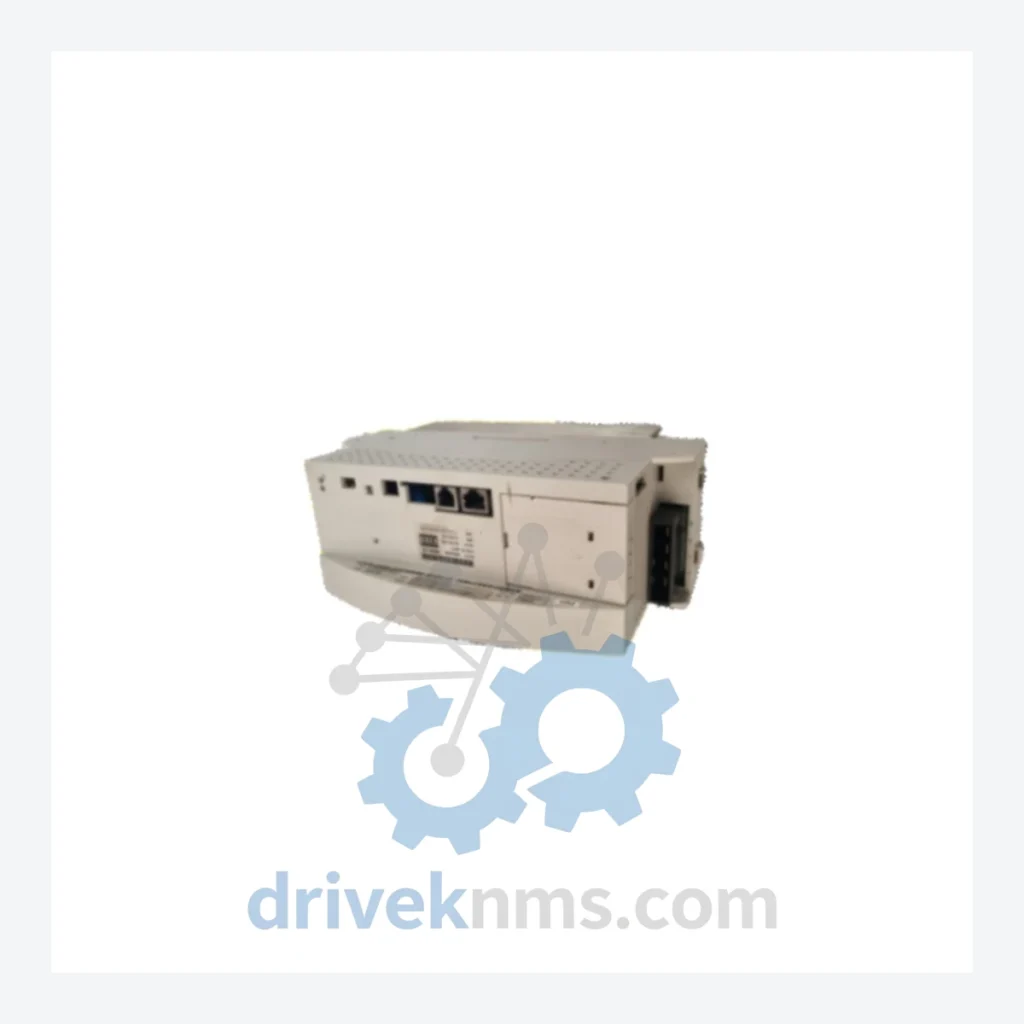
Model: c2 KSD1-16 00-105-350
Product Overview
Commercial availability is handled through direct RFQ, model verification and export-oriented follow-up rather than public cart checkout.
Datasheet Preview
Use attached product manuals when available. If the manual is not public yet, request the full file directly through RFQ.
Commercial Path
Product pages on DRIVEKNMS are designed to verify model, brand and series first, then move the buyer into one clean quotation path.
Technical Dossier
RFQ support for obsolete parts: Send the model number, required quantity and destination so DriveKNMS can confirm sourcing options before quotation.
| Manufacturer | KUKA Roboter GmbH |
| Part Number | KSD1-16 / 00-105-350 |
| Series | KUKA C2 / KR C2 |
| Component Type | Servo Axis Drive Module |
| Country of Origin | Germany |
| Production Status | Discontinued – No longer manufactured by KUKA |
| Compatible Controllers | KUKA C2, KR C2 (VxWorks-based) |
| Typical Robot Models | KR 6, KR 15, KR 16, KR 30, KR 60 (C2 generation) |
Note: Electrical parameters such as rated current, bus voltage, and switching frequency are not published here to prevent misapplication. Confirm your exact hardware revision before ordering. Contact us for datasheet support.
KUKA's C2 controller platform was the backbone of automotive and general manufacturing automation through the late 1990s and 2000s. Tens of thousands of these cells remain in active production globally — running stamping lines, welding stations, and material handling systems that were engineered around the C2 architecture and cannot be swapped out without a full cell redesign.
Facilities that have not pre-positioned spare KSD1-16 units face a binary choice when failure occurs: locate a verified used or refurbished unit within days, or begin the capital expenditure process for a full robot replacement. The latter typically involves not just the robot cost but also new end-of-arm tooling, fixture modifications, safety system recertification, and production revalidation — a process measured in months, not weeks.
The C2 platform, when maintained correctly, is mechanically and electrically capable of continued operation well beyond its nominal service life. The limiting factor is not the robot arm — it is component availability. A structured spare parts strategy addresses this directly:
3. Maintain firmware version records. C2 controller firmware is tied to specific hardware revisions. Mixing firmware versions across replacement drives can cause axis configuration errors. Document the firmware version on every installed drive before it fails.
5. Plan a 5-year rolling replacement cycle. Rather than running drives to failure, replace the oldest units on a scheduled basis and retain the removed units as tested spares. This approach keeps your installed base on younger hardware while maintaining a buffer against sudden failures.
Sourcing obsolete servo drives from the secondary market carries real risk. DriveKNMS applies a 5-step inspection protocol to every KSD1-16 unit before it is offered for sale:
Step 1 – Visual and mechanical inspection. Housing integrity, connector condition, and PCB surface examination for burn marks, corrosion, or physical damage.
Step 2 – Electrolytic capacitor assessment. Capacitors are the primary failure point in aged servo drives. Each unit is evaluated for capacitor bulging, leakage, and ESR deviation. Units with degraded capacitors are either recapped or rejected.
Step 3 – Firmware version verification. The installed firmware version is read and recorded. This information is provided to the buyer to confirm compatibility with their existing C2 controller configuration.
Step 4 – Pin and connector integrity check. All edge connectors and signal pins are inspected for oxidation, corrosion, and mechanical deformation. Affected contacts are cleaned or the unit is rejected.
Step 5 – Functional bench test. Where test equipment permits, the drive is powered and its basic operational response is verified prior to packaging.
Drop-in replacement. The KSD1-16 00-105-350 installs directly into the existing C2 cabinet slot. No mechanical modification to the cabinet is required.
No reprogramming required. Robot programs, tool data, and axis configurations stored in the KR C2 controller are not affected by a drive module swap. The controller reads axis parameters from its own memory, not from the drive hardware.
No engineering redesign. Unlike a controller generation upgrade — which requires new cabling, new teach pendant, new safety interface, and full revalidation — a like-for-like drive replacement keeps the existing system architecture intact. The cost difference between the two approaches is not marginal.
How do I know the unit is genuine and not counterfeit?
All units are sourced from decommissioned industrial equipment or verified distributor surplus. KUKA part markings, serial number formats, and PCB revision codes are cross-checked during inspection. We do not source from unverified brokers.
Can you source other C2 components?
Yes. DriveKNMS specializes in KUKA C2 and KR C2 legacy hardware. Contact us with your full part number and we will confirm availability.
Continue The Model Path
Move from this exact model into the matching system hub, brand archive, model-family archive or lifecycle sourcing route before sending a final RFQ list.
Related Paths
Kuka KCP2 VKCP2 is listed for KCP Series RFQ review. Confirm quantity, condition and destination before quotation.
Kuka KCP2 is listed for Servo Drives RFQ review. Confirm quantity, condition and destination before quotation.
Kuka KSD1-08 is listed for KSD Series RFQ review. Confirm quantity, condition and destination before quotation.