
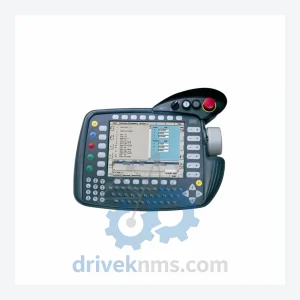
KUKA KCP2 Teach Pendant Modules
Kuka KCP2 is listed for Servo Drives RFQ review. Confirm quantity, condition and destination before quotation.
RFQ-ready industrial model
Model: GA16 00-189-401 GA14 00-183-637 KR360 ZH 360-4 00-226-914
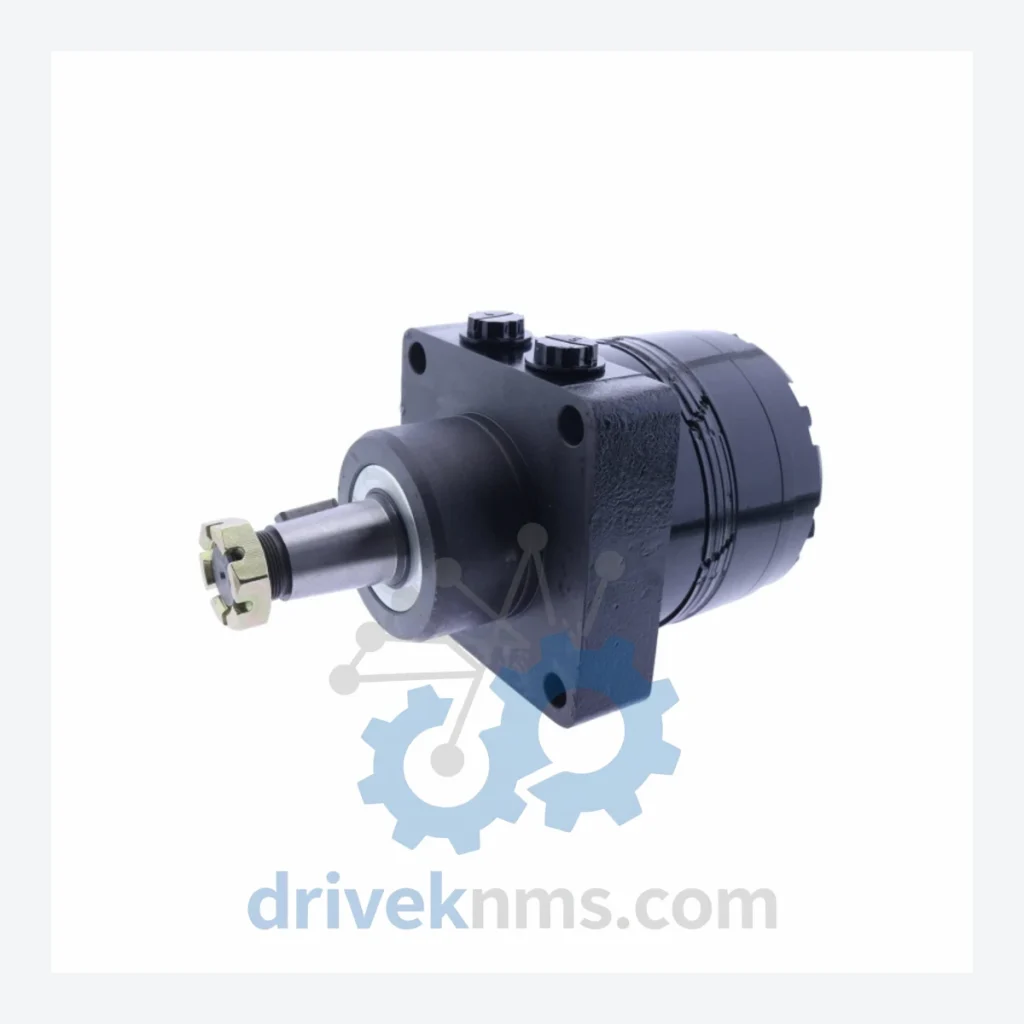
Product Overview
Commercial availability is handled through direct RFQ, model verification and export-oriented follow-up rather than public cart checkout.
Datasheet Preview
Use attached product manuals when available. If the manual is not public yet, request the full file directly through RFQ.
Commercial Path
Product pages on DRIVEKNMS are designed to verify model, brand and series first, then move the buyer into one clean quotation path.
Technical Dossier
DriveKNMS maintains verified physical inventory of this motor. One unit in hand eliminates that exposure entirely.
RFQ support for obsolete parts: Send the model number, required quantity and destination so DriveKNMS can confirm sourcing options before quotation.
| Parameter | Detail |
|---|---|
| Manufacturer | KUKA Roboter GmbH |
| Part Number (Primary) | GA16 00-189-401 |
| Cross-Reference P/N | GA14 00-183-637 |
| Assembly Reference | 00-226-914 |
| Compatible Robot Platform | KUKA KR360 ZH (360-4 series) |
| Component Type | Axis Drive Motor (Servo) |
| Country of Origin | Germany |
| OEM Status | Discontinued / Obsolete – No longer in KUKA active production |
| Typical Axis Application | Heavy-payload articulated arm axis drive |
Note: Electrical parameters (voltage, current rating, encoder resolution) vary by robot configuration and controller generation. Confirmed specifications are provided upon request with your robot serial number. No parameters are published here that cannot be independently verified — accuracy on discontinued hardware is a safety matter.
The KUKA KR360 ZH was engineered for heavy industrial applications: automotive body-in-white lines, foundry tending, press-to-press transfer, and large-format palletizing. Many of these installations were capitalized at $1M–$3M per cell. The robot itself remains mechanically sound. The control architecture — typically paired with KUKA KRC1 or KRC2 controllers — continues to execute programs reliably. The weak point is electromechanical: servo drive motors accumulate operating hours, bearing wear, and thermal cycling stress over decades.
When the GA16 motor fails, the robot is grounded. The integrator's proposal arrives: migrate to a current-generation KR QUANTEC platform, re-engineer the end-of-arm tooling, rewrite the PLC interface, and revalidate the cell. That path is legitimate — and it costs what it costs. The alternative is a verified replacement motor installed in hours, not months, with zero changes to existing programs, fixtures, or safety validation.
For plant engineering teams managing asset lifecycles under capital expenditure constraints, the arithmetic is straightforward. A spare motor at a fraction of a percent of the cell's replacement cost extends productive asset life by 5 to 10 years. That is not a workaround. That is asset management.
Facilities that have sustained KUKA KR360 fleets beyond the 15-year mark typically maintain a minimum of one cold-spare drive motor per robot model variant on-site. The cost of carrying that inventory is negligible against the cost of a single unplanned outage on a high-throughput line.
Discontinued motors sourced from the secondary market carry real risk. DriveKNMS applies a 5-step inspection protocol before any unit ships:
Condition grade (New / Refurbished-Grade-A / Tested-Used) is disclosed on the invoice. No unit ships without a condition declaration.
Q: How do I confirm this is a genuine KUKA OEM part, not a counterfeit?
A: Each unit is supplied with its original KUKA part label, casting markings, and — where present — the original KUKA serialization. Inspection photos are provided prior to shipment on request. We do not supply unmarked or relabeled units.
Q: Can this motor be used with KRC1 and KRC2 controllers?
A: The KR360 ZH platform was produced across both KRC1 and KRC2 controller generations. Compatibility depends on the specific axis and controller software version. Provide your robot serial number and controller type when inquiring and we will confirm compatibility before invoicing.
Continue The Model Path
Move from this exact model into the matching system hub, brand archive, model-family archive or lifecycle sourcing route before sending a final RFQ list.
Related Paths
Kuka KCP2 is listed for Servo Drives RFQ review. Confirm quantity, condition and destination before quotation.
Kuka KCP2 VKCP2 is listed for KCP Series RFQ review. Confirm quantity, condition and destination before quotation.
Kuka KSD1-08 is listed for KSD Series RFQ review. Confirm quantity, condition and destination before quotation.