
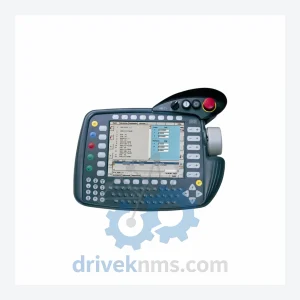
KUKA KCP2 VKCP2 Robot Control Panel – KCP Series
Kuka KCP2 VKCP2 is listed for KCP Series RFQ review. Confirm quantity, condition and destination before quotation.
RFQ-ready industrial model
Model: 600-20ECMAP1D3404BE531
Product Overview
Commercial availability is handled through direct RFQ, model verification and export-oriented follow-up rather than public cart checkout.
Datasheet Preview
Use attached product manuals when available. If the manual is not public yet, request the full file directly through RFQ.
Commercial Path
Product pages on DRIVEKNMS are designed to verify model, brand and series first, then move the buyer into one clean quotation path.
Technical Dossier
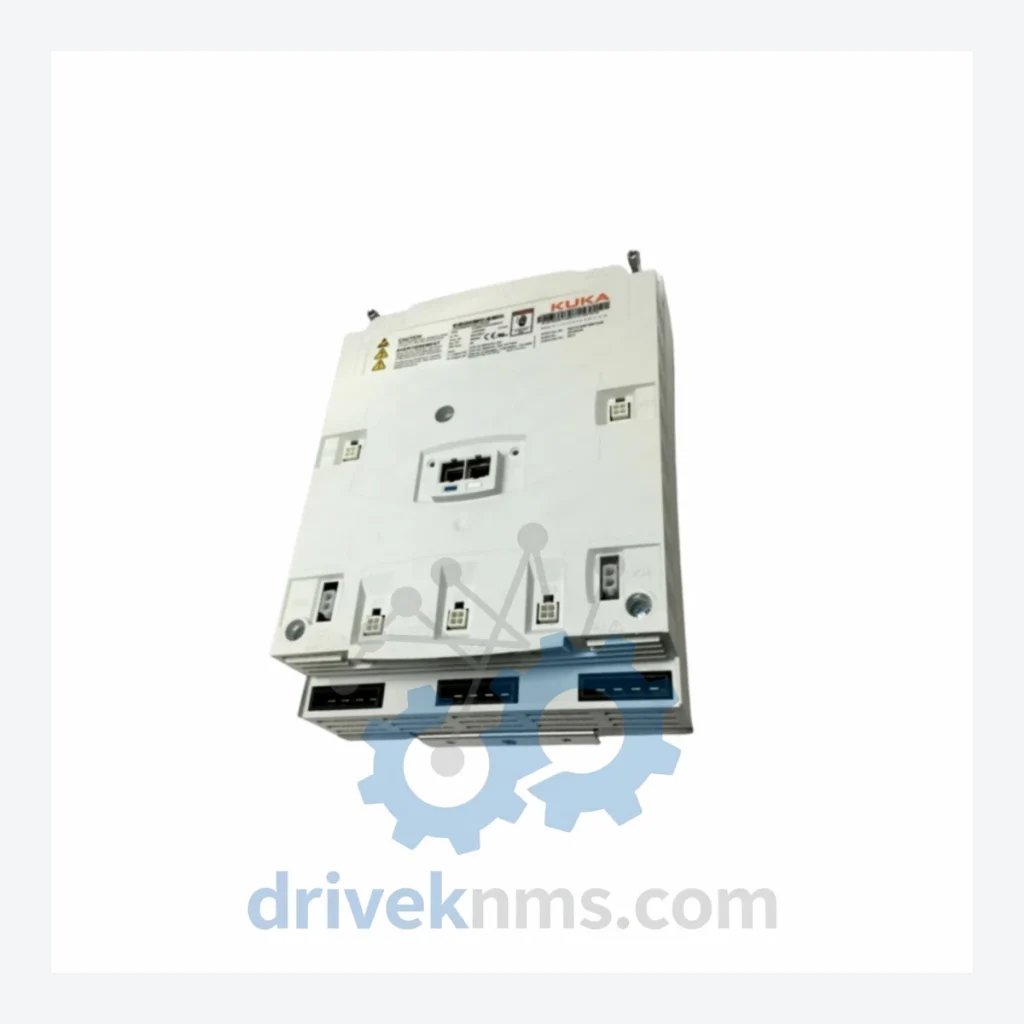
When a KUKA KPP driver module fails on an active robot cell, the clock starts immediately. Sourcing a replacement through official channels for a discontinued part can take weeks — if it is available at all. Meanwhile, the cost of halting production, expediting engineering assessments, and potentially retrofitting an entire robot controller can run into hundreds of thousands of dollars per line. DriveKNMS holds RFQ-reviewed sourcing status of the KUKA 600-20ECMAP1D3404BE531, a driver module that has reached end-of-life status from the OEM. For plant managers operating KUKA robot systems built around the KPP platform, this unit represents a direct, low-cost path to restoring operations without committing to a full system overhaul.
RFQ support for obsolete parts: Send the model number, required quantity and destination so DriveKNMS can confirm sourcing options before quotation.
| Part Number | 600-20ECMAP1D3404BE531 |
| Manufacturer | KUKA Roboter GmbH |
| Series | KPP (KUKA Power Pack) |
| Module Type | Servo Driver / Power Module |
| Country of Origin | Germany |
| OEM Status | Discontinued / End-of-Life |
| Compatible Controllers | KUKA KRC2, KRC3 series robot controllers |
| Typical Application | Industrial robot axis drive, servo power supply |
Note: Electrical parameters such as voltage ratings and current capacity are not published here to avoid inaccuracy. Confirmed specifications are provided upon request with supporting documentation.
The KUKA KPP driver module sits at the core of the robot controller's power distribution architecture. It manages servo drive power delivery to the robot axes and interfaces directly with the KRC controller cabinet. In a KRC2 or KRC3 environment, this module is not a peripheral — it is load-bearing infrastructure. There is no software patch that compensates for a failed unit, and there is no generic substitute that installs without engineering intervention.
A single verified spare module, procured and held on-site, eliminates that risk for years. This is not a workaround. It is a documented asset protection strategy used by maintenance engineers across the automotive, aerospace, and heavy manufacturing sectors.
DriveKNMS specializes in exactly this segment of the supply chain. Our inventory is sourced through controlled channels, inspected before storage, and documented for traceability. We do not list parts we cannot ship.
Discontinued hardware requires a different standard of incoming inspection than current-production parts. Our 5-step QA process for legacy modules addresses the failure modes most commonly associated with aged industrial electronics:
2. Firmware Version Verification — Where applicable, firmware revisions are documented and cross-referenced against known compatibility matrices for the target controller platform.
3. Pin and Connector Inspection — All interface connectors are examined under magnification for oxidation, corrosion, and mechanical deformation. Affected contacts are treated or the unit is rejected.
4. Functional Bench Test — Units are powered and tested against baseline operational parameters prior to packaging.
The 600-20ECMAP1D3404BE531 is a direct form-fit-function replacement for the original installed unit in compatible KUKA KRC2 and KRC3 controller cabinets. Installation does not require controller reprogramming, axis recalibration, or modification of the robot's safety configuration. The module seats into the existing cabinet slot, connects to the existing wiring harness, and restores operation to pre-failure status.
How do I know the unit is genuine and not counterfeit?
All KUKA modules in our inventory are sourced from decommissioned OEM-installed systems or verified surplus channels. Units include original labeling and, where available, original packaging. Traceability documentation is provided upon request.
Can this module be used across different KRC2 cabinet configurations?
Compatibility depends on the specific robot model and cabinet revision. Contact our technical team with your robot serial number and controller cabinet type for a confirmed compatibility assessment before ordering.
Continue The Model Path
Move from this exact model into the matching system hub, brand archive, model-family archive or lifecycle sourcing route before sending a final RFQ list.
Related Paths
Kuka KCP2 VKCP2 is listed for KCP Series RFQ review. Confirm quantity, condition and destination before quotation.
Kuka KCP2 is listed for Servo Drives RFQ review. Confirm quantity, condition and destination before quotation.
Kuka KSD1-16 is listed for Servo Drives RFQ review. Confirm quantity, condition and destination before quotation.