
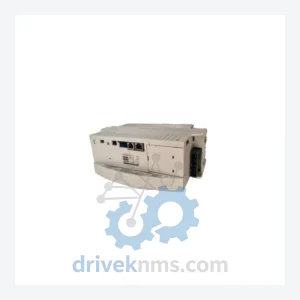
KUKA 033.56.84.10C 033.56.84.10D Gearbox – KR Series
Kuka 033.56.84.10C 033.56.84.10D is listed for KR Series RFQ review. Confirm quantity, condition and destination before quotation.
RFQ-ready industrial model
Model: KR10 00-205-328 KR6 00-201-179 00-205-328 00-205-328
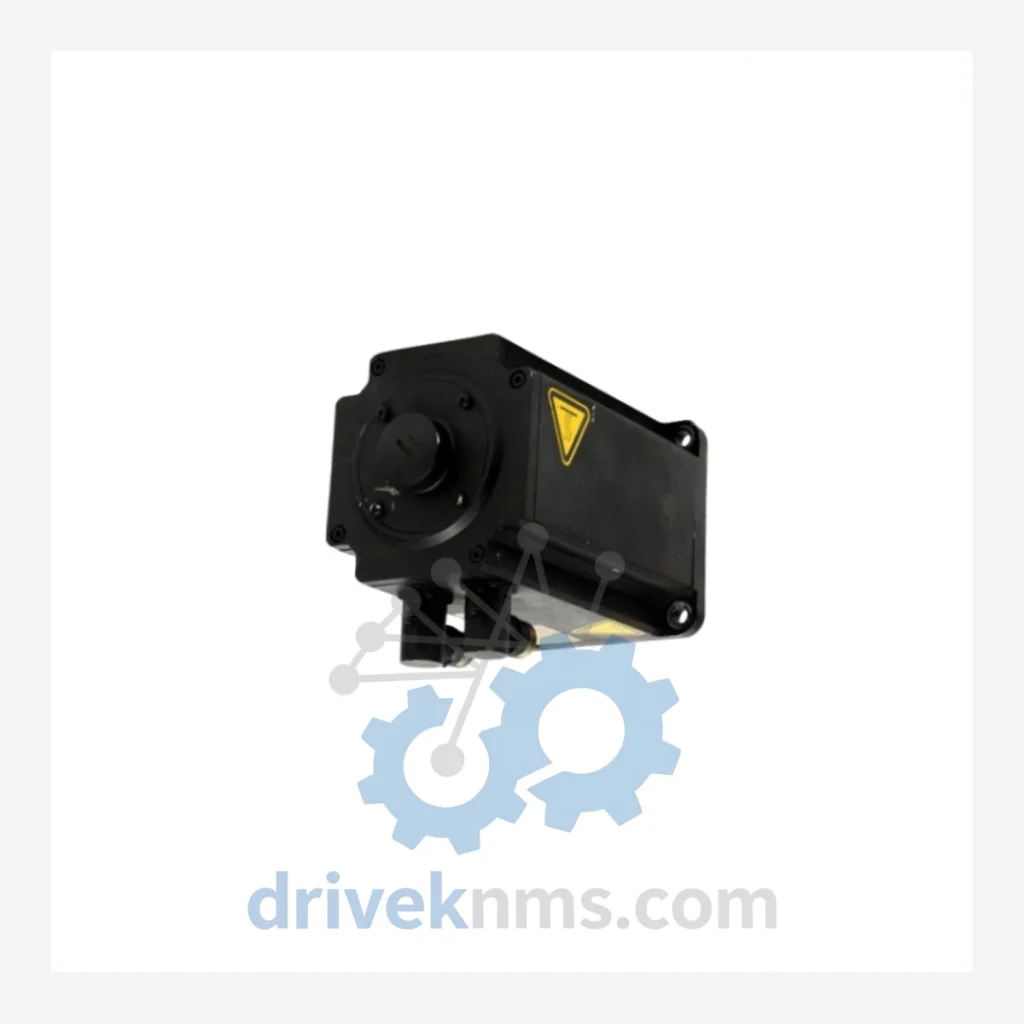
Product Overview
Commercial availability is handled through direct RFQ, model verification and export-oriented follow-up rather than public cart checkout.
Datasheet Preview
Use attached product manuals when available. If the manual is not public yet, request the full file directly through RFQ.
Commercial Path
Product pages on DRIVEKNMS are designed to verify model, brand and series first, then move the buyer into one clean quotation path.
Technical Dossier
The KUKA KR Series represents one of the most widely deployed industrial robot platforms in global heavy industry. Installed across petrochemical refineries, nuclear facility material handling systems, automotive body-in-white lines, and offshore platform maintenance operations, the KR Series encompasses articulated robot arms ranging from 6 kg to 1000 kg payload capacity. The servo drive and axis controller modules within this series — including the core part numbers 00-205-328 and 00-201-179 — are critical field-replaceable units (FRUs) that govern axis torque, position feedback, and safety interlock logic. Given the multi-decade operational lifespan of KR Series installations, demand for certified replacement servo modules remains structurally high across MRO (Maintenance, Repair & Overhaul) procurement channels worldwide.
The KUKA KR Series has undergone three distinct architectural generations since its commercial introduction. The first generation (KR 6, KR 15, KR 30 — circa 1990s) used analog servo amplifiers with resolver-based feedback and proprietary KRC1 controller integration. Compatibility between first-generation servo modules and later KRC2 controllers requires dedicated adapter boards and firmware downgrade procedures.
The second generation (KRC2 era, 2000–2012) standardized on digital SERCOS-II communication between the KR C2 cabinet and axis servo modules. Part numbers in the 00-2xx-xxx range — including 00-205-328 and 00-201-179 — originate from this generation. These modules use DSP-based current control loops with 16-bit encoder resolution and are not forward-compatible with KRC4 without hardware modification.
The third generation (KRC4, 2012–present) introduced EtherCAT-based drive communication, replacing SERCOS-II. KRC4-native servo modules carry part numbers in the 00-3xx-xxx and 00-4xx-xxx ranges. Facilities running mixed KRC2/KRC4 fleets must maintain separate spare parts inventories for each generation. The KRC2-era modules are now in the end-of-life (EOL) phase per KUKA's official product lifecycle policy, making third-party MRO sourcing the primary procurement channel for ongoing maintenance.
The following SKUs represent verified components within the KUKA KR Series ecosystem, classified by functional category:
Servo Drive & Axis Controller Modules
Power Supply & Distribution Modules
I/O & Safety Interface Modules
Communication & Controller Boards
KUKA officially discontinued KRC2-generation spare parts production between 2018 and 2022. For facilities operating KR Series robots on KRC2 controllers — common in chemical processing, foundry automation, and legacy automotive transfer lines — the only viable procurement path for modules such as 00-205-328 and 00-201-179 is through specialist MRO distributors with verified surplus inventory.
Q: Can you support multi-unit or repeat RFQ requests?
A: Yes. Send the model list, target quantity and destination so DRIVEKNMS can review sourcing options and quote the requirement as a project RFQ.
KRC2-generation servo modules present specific test challenges due to their integrated SERCOS-II communication stack and multi-layer PCB construction. DriveKNMS applies the following verification protocol to all KR Series units prior to dispatch:
Continue The Model Path
Move from this exact model into the matching system hub, brand archive, model-family archive or lifecycle sourcing route before sending a final RFQ list.
Related Paths
Kuka 033.56.84.10C 033.56.84.10D is listed for KR Series RFQ review. Confirm quantity, condition and destination before quotation.
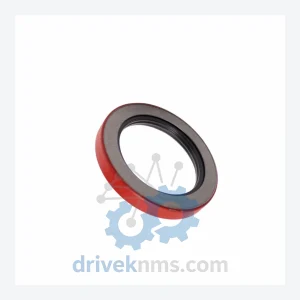
Kuka 00-186-960 3.2KW 00-186-960 4.2KW 00-179-146 is listed for KR Series RFQ review. Confirm quantity, condition and destination before quotation.
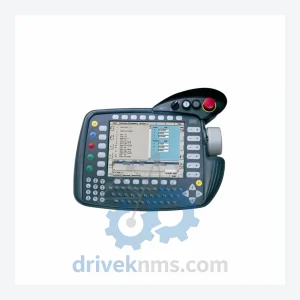
Kuka KCP2 is listed for Servo Drives RFQ review. Confirm quantity, condition and destination before quotation.