
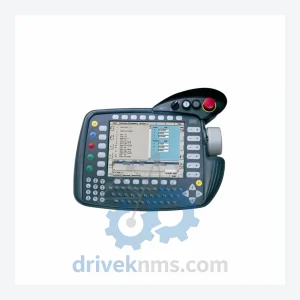
KUKA KCP2 Teach Pendant Modules
KUKA KCP2 Series: Comprehensive Module Range and Technical Overview The KUKA KCP2 (KUKA Control Panel 2) teach pendant is the…
Model: KRC2 SBM2 00-119-763 00-271-314 PCB IOB-16-16B 00-119-768 1FK7103-5AZ91-1ZZ9-ZS08
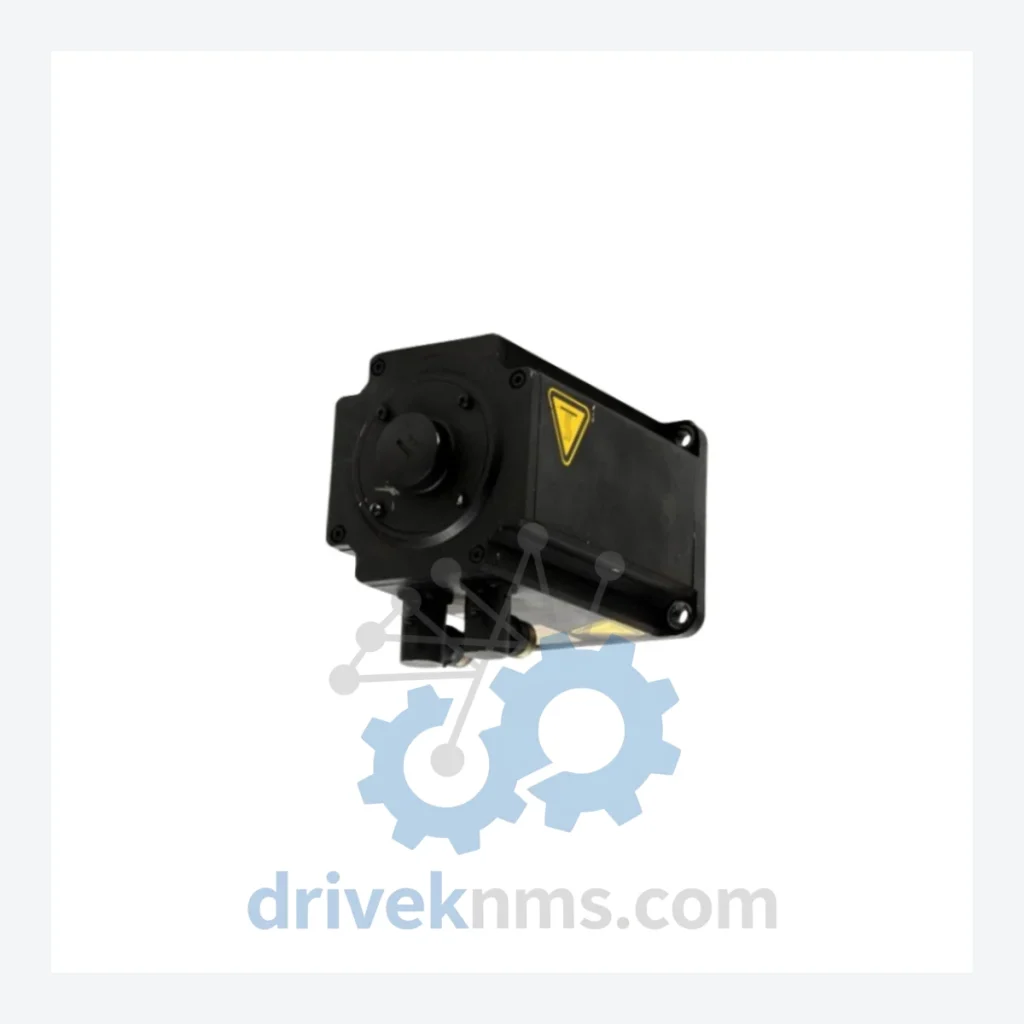
Product Overview
Commercial availability is handled through direct RFQ, model verification and export-oriented follow-up rather than public cart checkout.
Datasheet Preview
Use attached product manuals when available. If the manual is not public yet, request the full file directly through RFQ.
Commercial Path
Product pages on DRIVEKNMS are designed to verify model, brand and series first, then move the buyer into one clean quotation path.
Technical Dossier
When a servo motor fails on a KUKA KRC2 robot cell, the clock starts immediately. Every hour of unplanned downtime on an automotive or heavy-industry line carries a cost that dwarfs the price of any spare part. The KUKA KRC2 controller platform — paired with the Siemens 1FK7 servo motor series — was the backbone of tens of thousands of robot installations commissioned between the late 1990s and mid-2010s. KUKA officially discontinued the KRC2 platform and its associated drive components. Siemens has similarly phased out the 1FK7103-5AZ91-1ZZ9-ZS08 from active production. Replacement with a KRC4-based cell requires not only new hardware but full reprogramming, safety re-certification, and mechanical re-integration — a project that routinely costs USD 150,000–500,000 per robot station when engineering, downtime, and validation are factored in. DriveKNMS holds verified physical stock of this unit. Securing one spare now is not a purchasing decision; it is an asset-protection decision.
| Parameter | Detail |
|---|---|
| Brand | KUKA / Siemens |
| Part Number | 1FK7103-5AZ91-1ZZ9-ZS08 |
| Associated PCB / Module | SBM2 | IOB-16-16B | 00-119-763 | 00-271-314 | 00-119-768 |
| Compatible Controller | KUKA KRC2 |
| Motor Series | Siemens SIMOTICS S-1FK7 |
| Rated Power | 5.9 kW |
| Motor Type | Synchronous Servo Motor |
| Production Status | Discontinued / Obsolete |
| Country of Origin | Germany |
| Condition Available | New Old Stock (NOS) / Professionally Refurbished |
Note: Electrical parameters beyond rated power are not published here to prevent misapplication. Contact our technical team for full datasheet verification before installation.
The KUKA KRC2 platform remains operational in a significant share of global robot installations — particularly in automotive body shops, foundries, and general-purpose welding cells where the capital cost of a full cell replacement cannot be justified against remaining production life. The 1FK7103-5AZ91-1ZZ9-ZS08 is the primary axis drive motor in several KRC2 robot configurations. There is no drop-in cross-reference from a currently manufactured motor that does not require encoder re-parameterization, cable harness modification, and KRC2 drive module reconfiguration. In practical terms, a failed motor without a verified spare means one of two outcomes: an extended production halt while a used unit is sourced from the secondary market under time pressure, or an emergency upgrade project that consumes engineering budget and production capacity simultaneously. Facilities that have maintained a one-unit buffer of this motor have consistently avoided both outcomes. The secondary market supply of this specific variant is contracting year over year as installed KRC2 fleets are decommissioned and cannibalized. Units available today will not be available at the same price — or at all — in 24 months.
How to extend the service life of a KRC2 robot cell by 5–10 years at low cost: The most effective strategy is not a single large investment but a structured spare-parts reserve built around the three highest-failure-rate components — the servo motor, the KPS power supply module, and the DSE/SBM control board. Facilities that stock one verified spare of each of these three components can absorb the statistically most likely failure modes without production interruption. Combined with a scheduled preventive maintenance cycle covering fan replacement, capacitor inspection, and encoder cable integrity checks, this approach has sustained KRC2 cells well beyond their nominal design life in documented industrial deployments. The total cost of this reserve strategy is a fraction of a single day of unplanned line stoppage.
Obsolete parts sourced from the secondary market carry inherent risk. DriveKNMS applies a 5-step qualification process to every unit before it is offered for sale:
Units that pass all five steps are classified as Qualified Stock. Units that pass steps 1–4 but cannot be run-tested are classified as Inspected Stock and are disclosed as such. No unit is shipped without a written condition report.
What warranty applies to an obsolete spare part?
DriveKNMS provides a 90-day functional warranty on all Qualified Stock units. The warranty covers failure under normal operating conditions and excludes damage resulting from installation error or operation outside rated parameters. Inspected Stock units are covered by a 30-day DOA (Dead on Arrival) guarantee.
How do I confirm the unit is genuine and not a counterfeit?
All units are supplied with documentation of origin where available, including original packaging, serial number records, and our internal inspection report. We do not source from unverified brokers. Customers requiring additional authentication can request third-party inspection prior to shipment at their cost.
Should I buy more than one unit?
For any facility operating more than two KRC2 robots of the same configuration, holding two spare motors is the operationally sound position. The cost of a second unit is negligible relative to the cost of a second unplanned stoppage while sourcing under pressure. Given the contracting supply of this part number, purchasing a second unit now is a straightforward risk-reduction measure.
Can you source additional units if I need more?
Our inventory position changes. Contact us with your quantity requirement and timeline. We maintain sourcing relationships across multiple regions and can often locate additional units, though lead times and pricing for secondary-market sourcing are not guaranteed.
Related Paths
KUKA KCP2 Series: Comprehensive Module Range and Technical Overview The KUKA KCP2 (KUKA Control Panel 2) teach pendant is the…
KUKA KCP2 VKCP2 Robot Control Panel: Sourcing Strategy & Asset Return Value in a Constrained Global Supply Chain The KUKA…
KUKA KSD1-08 Servo Drive: Procurement Strategy & Asset Return Value in a Constrained Supply Chain The KUKA KSD1-08 is a…