
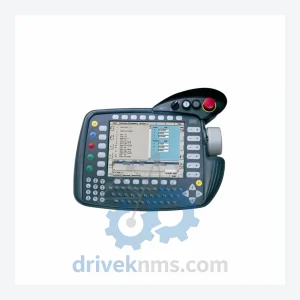
KUKA KCP2 Teach Pendant Modules
KUKA KCP2 Series: Comprehensive Module Range and Technical Overview The KUKA KCP2 (KUKA Control Panel 2) teach pendant is the…
Model: kRC4 KPP600-20-3¡Á20 00-245-213 KR30 00-184-319 RV320E-185 KRC4 00-107-224 RV-20E-121
Product Overview
Commercial availability is handled through direct RFQ, model verification and export-oriented follow-up rather than public cart checkout.
Datasheet Preview
Use attached product manuals when available. If the manual is not public yet, request the full file directly through RFQ.
Commercial Path
Product pages on DRIVEKNMS are designed to verify model, brand and series first, then move the buyer into one clean quotation path.
Technical Dossier
When a reduction gear fails inside a KUKA KRC4-controlled robot cell, the clock starts immediately. A single axis locked out of service can halt an entire production line. Sourcing a replacement through official channels for a discontinued component is rarely straightforward — lead times stretch into months, and in many cases the part is simply no longer manufactured. The cost of re-engineering around a missing axis — new robot, new end-of-arm tooling, re-certification, re-programming — routinely runs into the hundreds of thousands of dollars, sometimes more when downstream production losses are factored in.
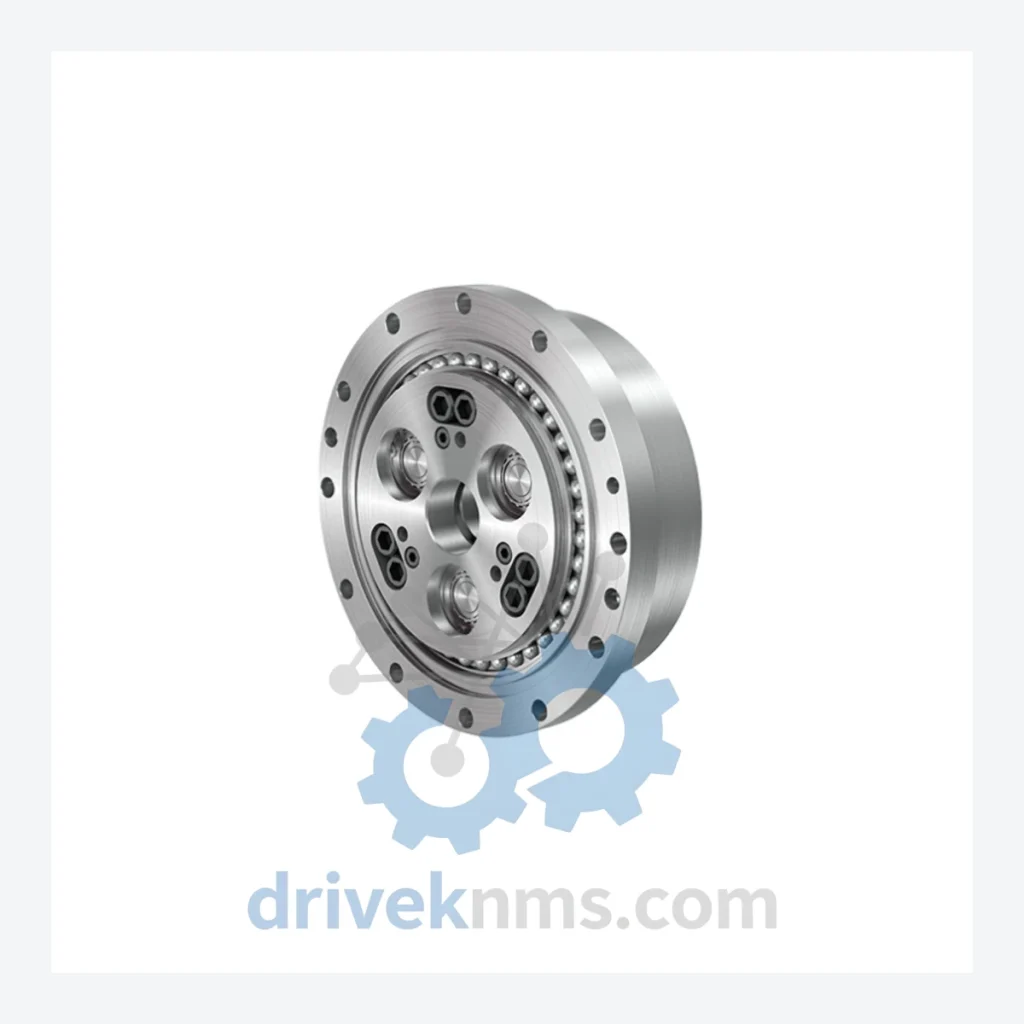
DriveKNMS maintains verified physical stock of this reduction gear assembly, covering part references KPP600-20-3×20 (00-245-213), KR30 (00-184-319), RV320E-185, KRC4 (00-107-224), and RV-20E-121. These are not catalog listings — inventory is physically on-hand and available for immediate dispatch.
| Brand | KUKA |
|---|---|
| Series | KRC4 |
| Part References | KPP600-20-3×20 / 00-245-213 | KR30 / 00-184-319 | RV320E-185 | KRC4 / 00-107-224 | RV-20E-121 |
| Component Type | Reduction Gear (Joint Gearbox) |
| Compatible Robot Controllers | KUKA KRC4, KRC4 compact, KRC4 smallSize |
| Compatible Robot Models | KR 30, KR 60 series (axis-dependent — confirm axis number before ordering) |
| Country of Origin | Germany |
| Discontinuation Status | Obsolete / End-of-Life — no longer available through standard KUKA distribution channels |
| Condition Available | New Old Stock (NOS) / Professionally Refurbished |
The KUKA KRC4 platform was the dominant industrial robot controller across automotive, metal fabrication, and general assembly industries for over a decade. Thousands of KRC4-based robot cells remain in active production globally. However, KUKA's official support lifecycle for KRC4 hardware components has progressively narrowed, and mechanical wear parts — particularly reduction gears — are among the first to exit the supply chain.
Reduction gears are the mechanical heart of each robot axis. Unlike electronic modules that can sometimes be emulated or substituted, a gearbox is a precision-machined component with exact backlash tolerances, gear ratios, and mounting interfaces. There is no universal substitute. When the OEM stops supplying them, the only viable paths are: locate genuine NOS stock, source a professionally refurbished unit, or face a full robot replacement.
For plant managers operating KRC4 robot cells, the calculus is straightforward. A new 6-axis industrial robot with equivalent payload capacity costs upward of $80,000–$150,000 USD before installation, integration, and downtime costs. A verified replacement reduction gear — even at a premium obsolete-parts price — represents a fraction of that exposure. Maintaining a strategic spare on the shelf is not a cost; it is an insurance policy against a production stoppage that cannot be scheduled.
Factories running KUKA KR30 or KR60 series robots on KRC4 controllers should treat this gearbox as a critical single-point-of-failure component and hold at minimum one spare per robot cell in active production. For lines running 24/7 with no redundant robot, two spares is the defensible position.
The decision to retire a robot line is rarely driven by the robot's structural frame — it is driven by the unavailability of specific wear components. A disciplined spare parts strategy can defer that decision by a decade:
Sourcing a reduction gear for a discontinued robot platform carries inherent risk if the supplier's inspection process is not rigorous. DriveKNMS applies a 5-step quality assurance protocol to all refurbished units before dispatch:
What warranty applies to obsolete spare parts?
DriveKNMS provides a 90-day warranty on refurbished units covering defects identified under normal operating conditions. New Old Stock units are sold with a 30-day inspection warranty. Extended warranty arrangements can be discussed for volume orders.
How do I confirm this is the correct part for my robot axis?
Provide your robot serial number and the specific axis number requiring replacement. DriveKNMS will cross-reference against KUKA's axis-to-gearbox mapping to confirm compatibility before shipment.
Are these new or refurbished units?
Stock includes both New Old Stock (original, unused, stored) and professionally refurbished units. Unit condition is confirmed at time of inquiry. We do not mix conditions within a single order without explicit customer agreement.
Should I buy more than one unit?
For production-critical robot cells, yes. Global NOS stock of discontinued KUKA gearboxes is finite and diminishing. Purchasing a strategic reserve of 1–2 additional units at current pricing is a documented risk mitigation practice in industrial maintenance management.
How quickly can you ship?
In-stock units are dispatched within 1–3 business days. Contact us to confirm current stock status and shipping options to your location.
Related Paths
KUKA KCP2 Series: Comprehensive Module Range and Technical Overview The KUKA KCP2 (KUKA Control Panel 2) teach pendant is the…
KUKA KCP2 VKCP2 Robot Control Panel: Sourcing Strategy & Asset Return Value in a Constrained Global Supply Chain The KUKA…
KUKA KSD1-08 Servo Drive: Procurement Strategy & Asset Return Value in a Constrained Supply Chain The KUKA KSD1-08 is a…