
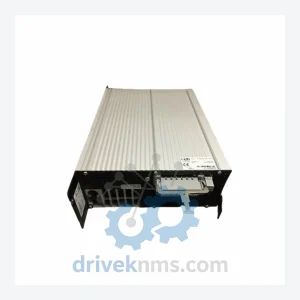
LTI MOTION SO84.032.0003.0001.2 Servo Drive – SO84 Series
Lti Motion SO84.032.0003.0001.2 is listed for SO84 Series RFQ review. Confirm quantity, condition and destination before quotation.
RFQ-ready industrial model
Model: SO24.007.0070.0101.1
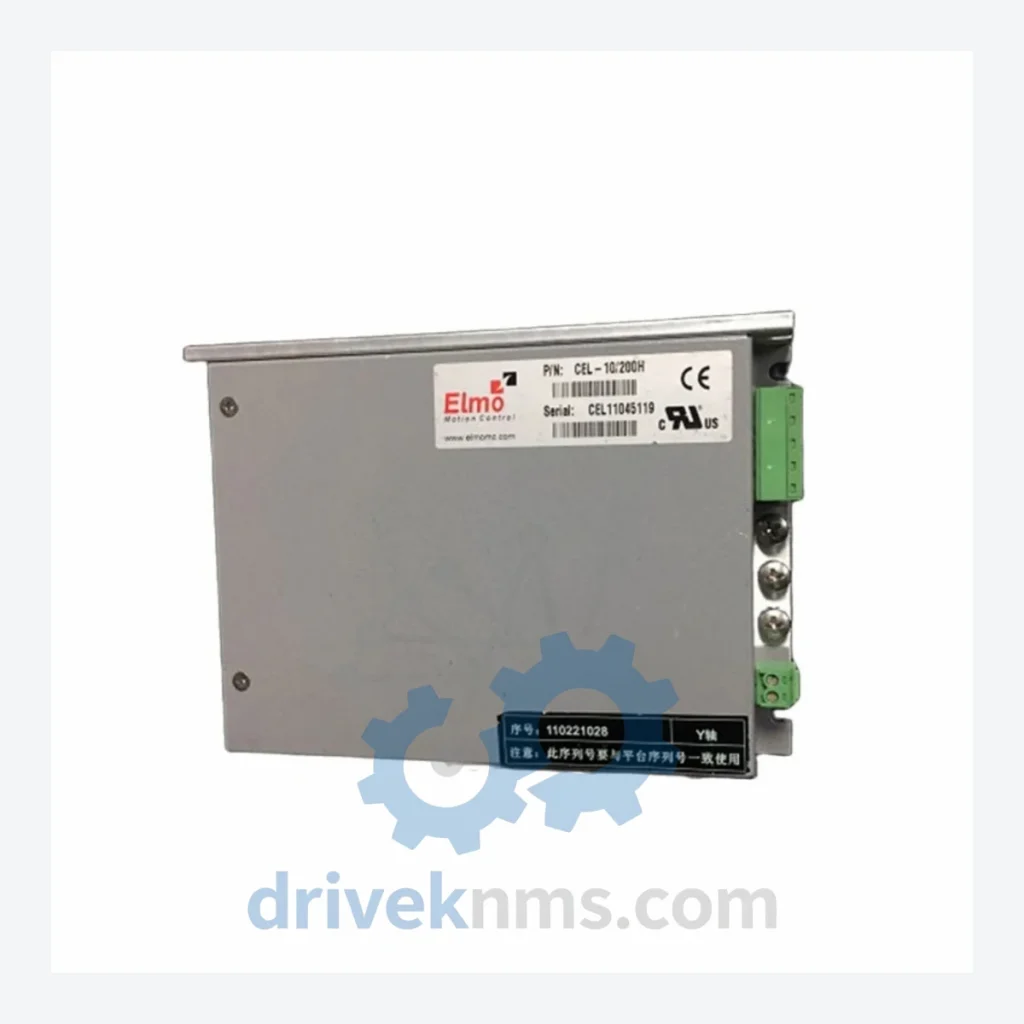
Product Overview
Commercial availability is handled through direct RFQ, model verification and export-oriented follow-up rather than public cart checkout.
Datasheet Preview
Use attached product manuals when available. If the manual is not public yet, request the full file directly through RFQ.
Commercial Path
Product pages on DRIVEKNMS are designed to verify model, brand and series first, then move the buyer into one clean quotation path.
Technical Dossier
RFQ support for obsolete parts: Send the model number, required quantity and destination so DriveKNMS can confirm sourcing options before quotation.
Note: Electrical parameters such as rated current, voltage range, and encoder interface specifications are confirmed during order verification to ensure accuracy. DriveKNMS does not publish unverified parameters.
The SO24.007.0070.0101.1 occupies a specific role within these systems. Its firmware, communication protocol behavior, and tuning parameters are matched to the surrounding control environment. Substituting a modern drive requires not only hardware replacement but full re-engineering of the motion profile, re-commissioning of the axis, and in many cases, modification of the PLC or motion controller program. For a plant running three shifts, the engineering hours alone can justify keeping a verified spare SO24.007.0070.0101.1 on the shelf.
Facilities managing aging LTI Motion installations should treat this unit as a critical asset protection component, not a consumable. A single verified spare can extend the operational life of an entire production cell by five to ten years — deferring a capital replacement project that may not align with current budget cycles or production commitments.
The pressure to retire aging automation systems is real, but the business case for premature replacement is rarely as straightforward as equipment vendors suggest. For plant managers and maintenance engineers operating LTI Motion-based lines, the following framework provides a structured approach to asset life extension:
4. Document configuration and tuning parameters. For every SO24.007.0070.0101.1 in service, maintain a complete record of axis configuration, gain settings, and firmware version. This documentation is essential for rapid swap-out when a replacement unit is installed.
DriveKNMS applies a 5-step quality verification process to all obsolete and legacy servo drive units before dispatch review:
Step 1 – Electrolytic Capacitor Assessment: Capacitor aging is the primary failure mode in stored servo drives. Each unit undergoes visual inspection and electrical characterization of bulk capacitors. Units with measurable ESR degradation or physical deformation are rejected.
Step 2 – Firmware Version Verification: The firmware version is documented and confirmed against the unit's hardware revision. Mismatched firmware and hardware combinations are a known source of intermittent faults in legacy drives and are screened out.
Step 3 – Connector and Pin Integrity Check: All I/O connectors, power terminals, and encoder interface pins are inspected for oxidation, corrosion, and mechanical damage. Affected contacts are cleaned or the unit is rejected.
Step 4 – Functional Power-On Test: Where test infrastructure permits, units are powered and basic drive initialization is verified. Fault codes are logged and evaluated.
Q: How do I know the unit is genuine and not a counterfeit or misrepresented part?
A: Every unit shipped by DriveKNMS includes documentation of its sourcing chain, physical inspection records, and where applicable, functional test results. We do not sell units that cannot be traced and verified. If you require additional authentication documentation for your procurement process, request it at the time of order.
Continue The Model Path
Move from this exact model into the matching system hub, brand archive, model-family archive or lifecycle sourcing route before sending a final RFQ list.
Related Paths
Lti Motion SO84.032.0003.0001.2 is listed for SO84 Series RFQ review. Confirm quantity, condition and destination before quotation.
Lti Motion SA54.0550.0033.0000.0 is listed for SA54 Series RFQ review. Confirm quantity, condition and destination before quotation.
Lti Motion LSC-070-3-30-560-P5B0H2MM0 is listed for Servo Drives RFQ review. Confirm quantity, condition and destination before quotation.