
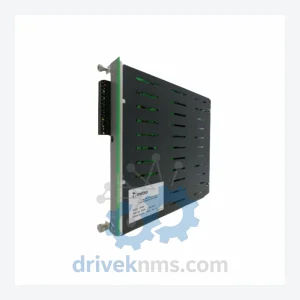
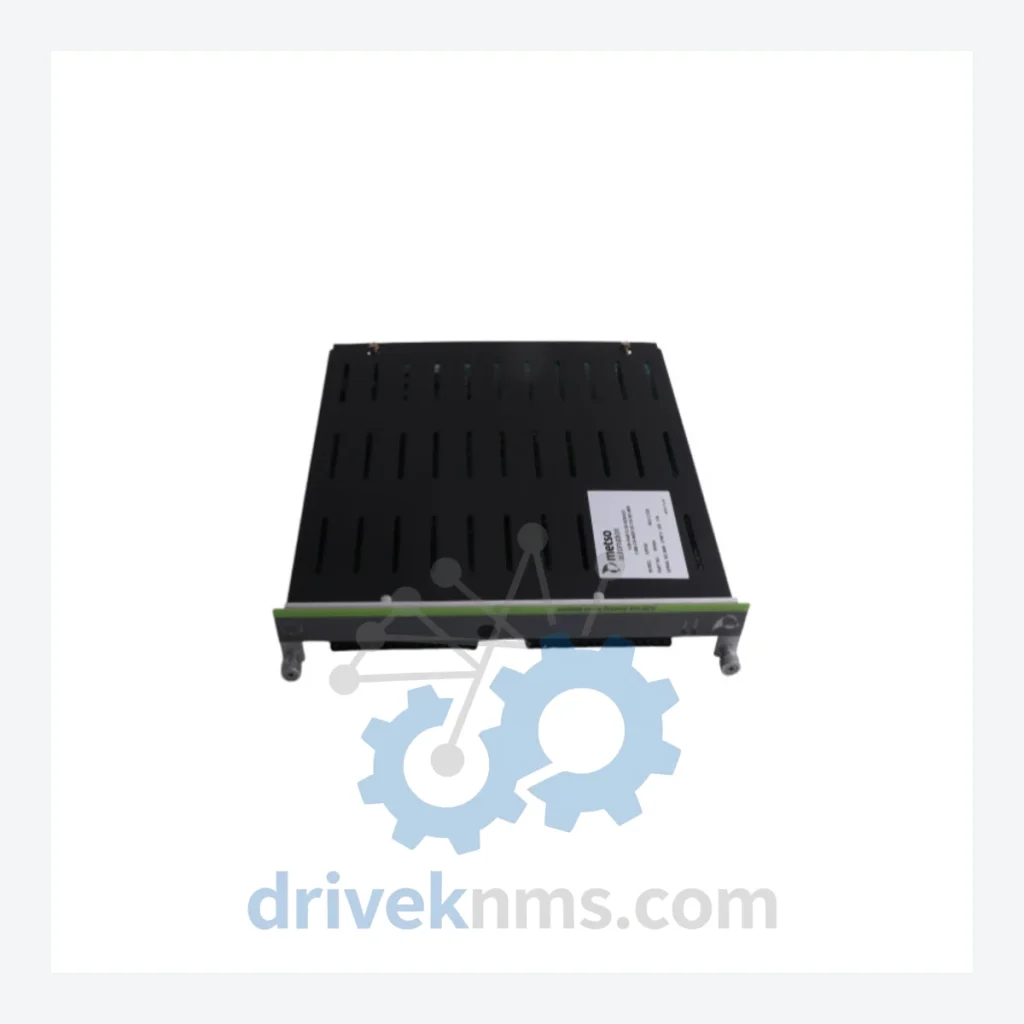
Metso IOP320 181545 Analog Output Module – DNA Series
Metso IOP320 181545 is listed for DNA Series RFQ review. Confirm quantity, condition and destination before quotation.
RFQ-ready industrial model
Model: IOP 302
Product Overview
Commercial availability is handled through direct RFQ, model verification and export-oriented follow-up rather than public cart checkout.
Datasheet Preview
Use attached product manuals when available. If the manual is not public yet, request the full file directly through RFQ.
Commercial Path
Product pages on DRIVEKNMS are designed to verify model, brand and series first, then move the buyer into one clean quotation path.
Technical Dossier
RFQ support for obsolete parts: Send the model number, required quantity and destination so DriveKNMS can confirm sourcing options before quotation.
The Metso DNA platform — and its predecessor Damatic XD — represents decades of process control investment in industries where continuous operation is non-negotiable. The IOP 302 sits at the signal acquisition layer of this architecture, converting field-level analog and digital signals into data the controller can act on. There is no generic substitute. Replacing it with a non-native module requires hardware reconfiguration, software remapping, and in most cases, a full I/O reassignment that cascades through the control logic. For a facility running 24/7 shift operations, that engineering effort is not a maintenance task — it is a capital project.
DriveKNMS specializes in sourcing, verifying, and supplying discontinued industrial control components. The IOP 302 units we hold have been acquired through controlled decommissioning channels and are subject to our internal QA protocol before dispatch.
Plant managers facing pressure to retire aging DCS infrastructure often underestimate the viable lifespan extension achievable through disciplined spare parts management. The following strategy applies directly to Metso DNA installations running IOP 302 and related I/O modules:
3. Implement condition-based monitoring on aging I/O hardware. Electrolytic capacitor degradation, connector oxidation, and firmware instability are the three primary failure modes in modules of this generation. Scheduled inspection cycles — not calendar-based replacement — extend service life without unnecessary expenditure.
4. Negotiate long-term supply agreements with specialist distributors. Spot-market pricing for obsolete parts increases as remaining global inventory depletes. Locking in supply at current pricing protects both budget and operational continuity.
5. Document firmware versions and configuration backups. Before any IOP 302 replacement, ensure the existing module's configuration is fully documented. This eliminates re-engineering time during a swap and reduces the risk of introducing configuration errors under pressure.
Facilities that execute this strategy consistently report DCS operational continuity of 8–12 years beyond the OEM end-of-life date — without a full migration project.
Every IOP 302 unit dispatched by DriveKNMS passes a structured 5-step inspection protocol developed specifically for legacy industrial control hardware:
Step 1 – Visual and Mechanical Inspection: Full board examination for physical damage, corrosion on edge connectors, and solder joint integrity. Units with visible oxidation on signal pins are rejected at this stage.
Step 2 – Electrolytic Capacitor Assessment: Capacitors are the primary age-related failure point in modules of this era. Each unit is assessed for capacitor bulging, leakage, and ESR deviation. Units showing degradation are either recapped with equivalent-spec components or rejected.
Step 3 – Firmware Version Verification: Where accessible, firmware revision is documented and cross-referenced against known stable releases for the IOP 302. This information is provided to the buyer to confirm compatibility with their installed DNA system version.
Step 4 – Functional Bench Test: Modules are powered and tested for correct signal response across available I/O channels. Any unit that does not pass functional verification is not offered for sale.
Step 5 – Packaging and ESD Protection: Cleared units are packaged in anti-static bags with desiccant, labeled with inspection date and technician ID, and shipped in rigid protective packaging to prevent transit damage.
How do I confirm the unit is genuine and not a counterfeit?
All IOP 302 units are sourced from decommissioned Metso DNA installations or verified industrial surplus channels. We do not source from unverified secondary markets. Upon request, we can provide photographs of the physical unit, board markings, and serial number prior to purchase.
Can you source other Metso DNA I/O modules?
Yes. DriveKNMS maintains sourcing relationships for a range of discontinued Metso DNA and Damatic XD/XDi components. Contact us with your full bill of materials for a consolidated availability check.
Continue The Model Path
Move from this exact model into the matching system hub, brand archive, model-family archive or lifecycle sourcing route before sending a final RFQ list.
Related Paths
Metso IOP320 181545 is listed for DNA Series RFQ review. Confirm quantity, condition and destination before quotation.
Metso IOP303 is listed for DNA Series RFQ review. Confirm quantity, condition and destination before quotation.
Metso IOP335 is listed for DNA Series RFQ review. Confirm quantity, condition and destination before quotation.