
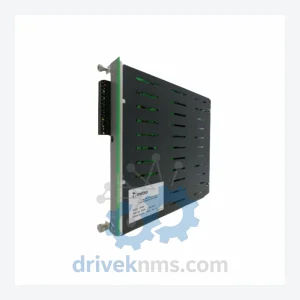
Metso IOP320 181545 Analog Output Module – DNA Series
Metso IOP320 181545 is listed for DNA Series RFQ review. Confirm quantity, condition and destination before quotation.
RFQ-ready industrial model
Model: IOP 345
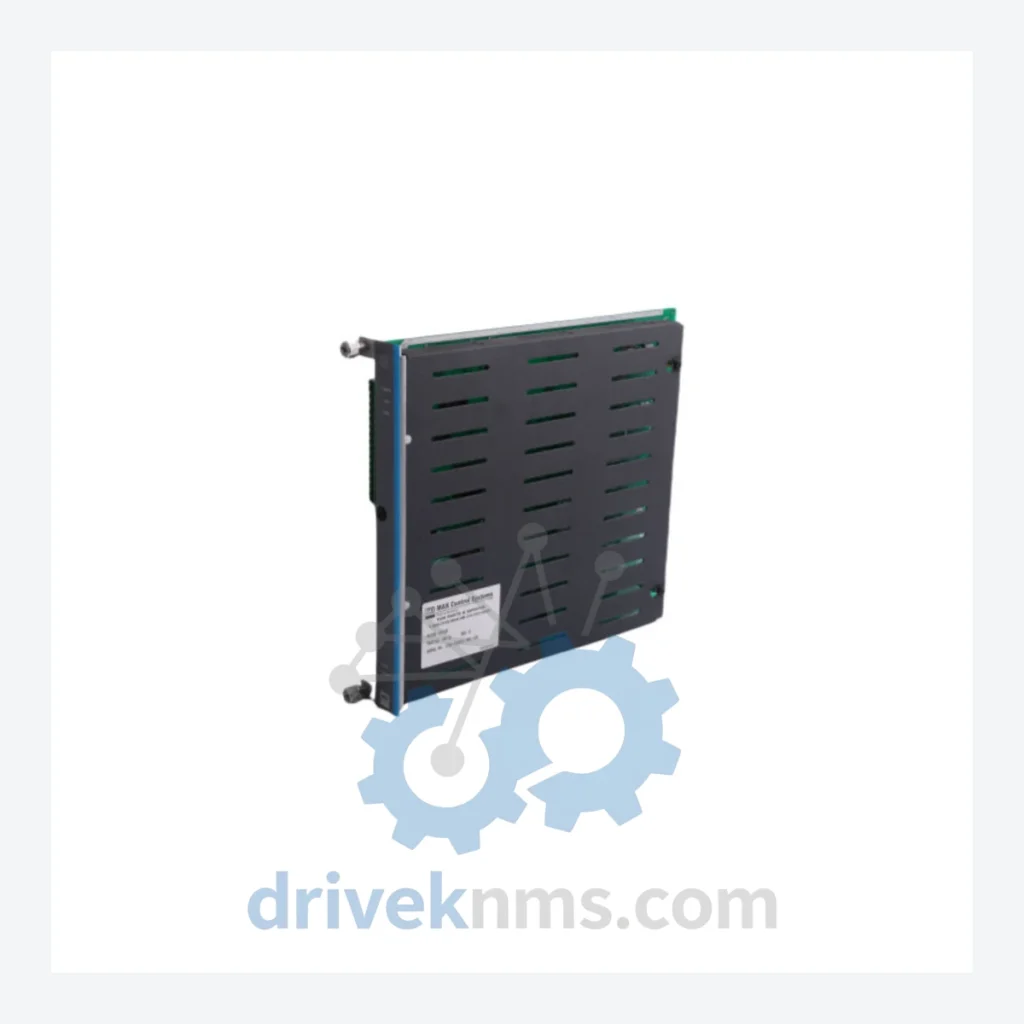
Product Overview
Commercial availability is handled through direct RFQ, model verification and export-oriented follow-up rather than public cart checkout.
Datasheet Preview
Use attached product manuals when available. If the manual is not public yet, request the full file directly through RFQ.
Commercial Path
Product pages on DRIVEKNMS are designed to verify model, brand and series first, then move the buyer into one clean quotation path.
Technical Dossier
When a Metso IOP 345 Digital Input Module fails in an active production environment, the consequences extend far beyond the cost of the component itself. A single I/O module failure in a Metso DNA distributed control system can halt an entire process line. For facilities running paper mills, power plants, or chemical processing units built around Metso DNA architecture, the alternative to sourcing this exact module is a forced migration to a modern DCS platform — a project that routinely costs USD 2–5 million in engineering, commissioning, and lost production time. The IOP 345 is a confirmed discontinued component. DriveKNMS maintains RFQ-reviewed sourcing status of this module specifically to serve facilities that cannot afford that migration on short notice.
RFQ support for obsolete parts: Send the model number, required quantity and destination so DriveKNMS can confirm sourcing options before quotation.
Note: Specific electrical parameters (voltage range, channel count, signal type) are not published here to prevent inaccurate data from being used in safety-critical applications. Contact our technical team for verified datasheet documentation prior to installation.
The Metso DNA platform was deployed extensively across Nordic and global process industries through the 1990s and 2000s. Its I/O subsystem — of which the IOP 345 is a core digital input component — was engineered for deterministic, high-reliability signal acquisition in environments where process uptime is measured in years, not quarters.
Metso has since transitioned its automation portfolio to the Metso DNA Evolution and third-party compatible platforms, leaving facilities running original DNA hardware in a difficult position: the OEM no longer stocks or supports legacy I/O modules. Integrators who once maintained regional spare pools have largely exhausted their inventory.
For a plant manager facing a failed IOP 345, the decision tree is narrow. A full DCS migration is a multi-year capital project. A temporary workaround using incompatible I/O introduces signal integrity risk and requires re-engineering of control logic. The only operationally sound path — the one that protects both the production asset and the capital already invested in the existing system — is sourcing a verified replacement IOP 345 from a specialist supplier with confirmed sourcing status.
DriveKNMS operates specifically in this space. We source, verify, and supply discontinued Metso DNA components to facilities that need to extend system life by 5 to 10 years while a structured migration plan is developed and funded.
How to extend your Metso DNA system life by 5–10 years without a full DCS replacement:
Sourcing a discontinued module from the secondary market carries legitimate risk. Our QA process is designed to address the specific failure modes that affect legacy I/O hardware after years in storage or field service.
Every IOP 345 unit we supply passes a five-stage inspection protocol:
Q: How are RFQ terms confirmed?
A: Quantity, required condition, documentation needs, destination and sourcing route are confirmed during RFQ review before quotation.
Q: Can you support multi-unit or repeat RFQ requests?
A: Yes. Send the model list, target quantity and destination so DRIVEKNMS can review sourcing options and quote the requirement as a project RFQ.
Continue The Model Path
Move from this exact model into the matching system hub, brand archive, model-family archive or lifecycle sourcing route before sending a final RFQ list.
Related Paths
Metso IOP320 181545 is listed for DNA Series RFQ review. Confirm quantity, condition and destination before quotation.
Metso IOP303 is listed for DNA Series RFQ review. Confirm quantity, condition and destination before quotation.
Metso IOP335 is listed for DNA Series RFQ review. Confirm quantity, condition and destination before quotation.