
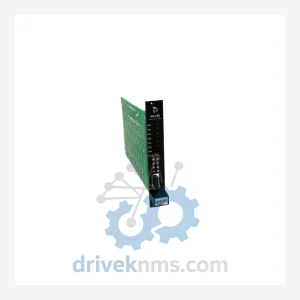
Metso D200533 BIU82 Control Board – Metso DNA Series
Metso D200533 BIU82 is listed for Metso DNA Series RFQ review. Confirm quantity, condition and destination before quotation.
RFQ-ready industrial model
Model: IOP371
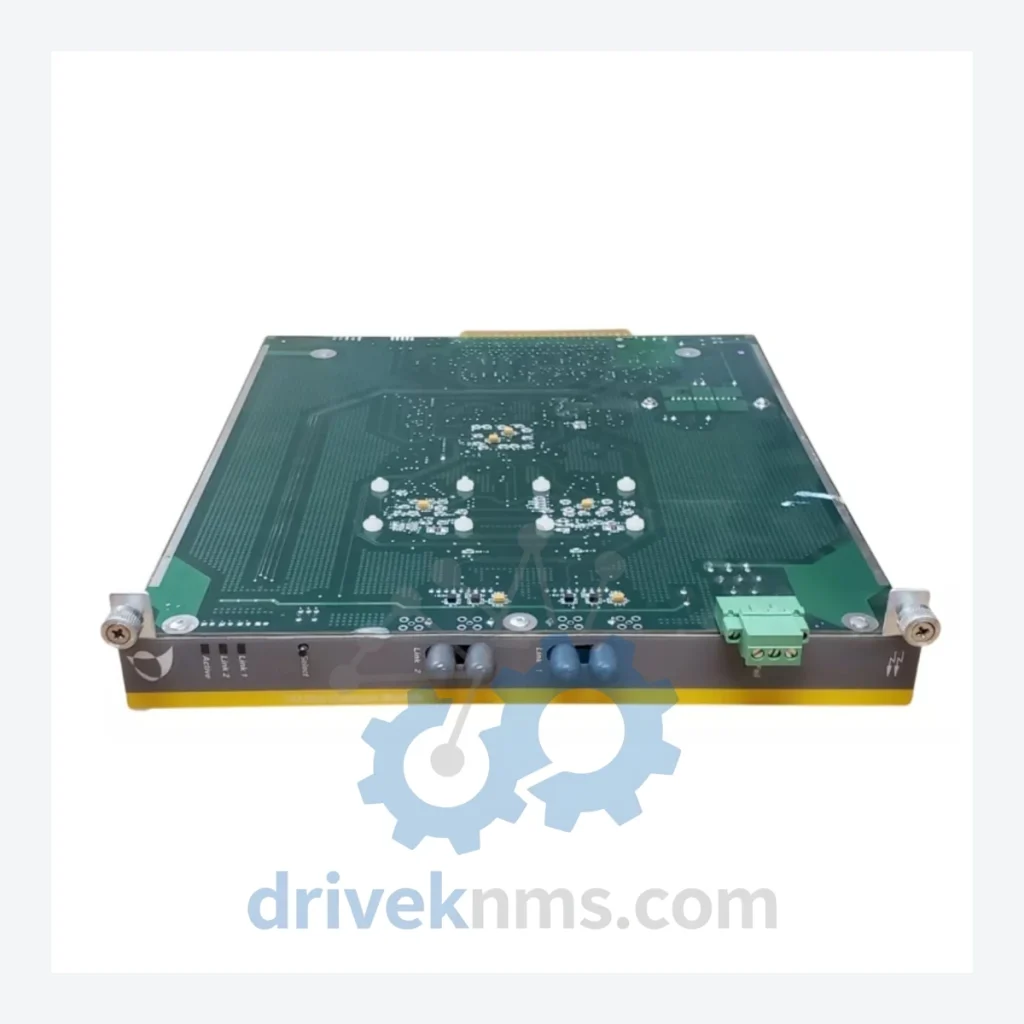
Product Overview
Commercial availability is handled through direct RFQ, model verification and export-oriented follow-up rather than public cart checkout.
Datasheet Preview
Use attached product manuals when available. If the manual is not public yet, request the full file directly through RFQ.
Commercial Path
Product pages on DRIVEKNMS are designed to verify model, brand and series first, then move the buyer into one clean quotation path.
Technical Dossier
A single failed I/O Bus Extender Module in a Metso DNA distributed control system does not merely halt one loop — it can take down an entire I/O subnet, triggering unplanned shutdowns across the process unit. For plants still operating on Metso DNA (formerly Neles Controls) architecture, the engineering cost of migrating to a modern DCS platform routinely exceeds USD 2–5 million per unit, excluding lost production. The IOP371 is no longer manufactured. When your last spare fails, that migration timeline compresses from years to weeks — on the worst possible terms.
DriveKNMS reviews sourcing options for this model through RFQ handling before quotation.
RFQ support for obsolete parts: Send the model number, required quantity and destination so DriveKNMS can confirm sourcing options before quotation.
| Parameter | Detail |
|---|---|
| Part Number | IOP371 |
| Manufacturer | Metso (formerly Neles Controls) |
| Series | Metso DNA / Neles Controls DCS |
| Function | I/O Bus Extender Module |
| Product Status | Discontinued / Obsolete – No longer in production |
| Country of Origin | Finland |
| Compatible Systems | Metso DNA DCS, Neles Controls automation platforms |
| Condition Available | New surplus / Professionally refurbished |
Note: Electrical parameters not independently verified. Specifications confirmed against OEM documentation where available. No parameters are fabricated.
The Metso DNA platform — and its predecessor Neles Controls architecture — was deployed extensively in pulp & paper, oil & gas, and power generation facilities throughout the 1990s and 2000s. The I/O bus infrastructure underpinning these systems was engineered for 20-year service life. Many installations have now exceeded that horizon.
The IOP371 serves as the physical and logical bridge between field I/O stations and the main controller bus. Without it, I/O nodes become isolated. There is no software patch, no firmware workaround, and no cross-brand substitute that preserves the existing wiring, cabinet layout, and control logic. Replacement requires the exact module or a full system redesign.
Obsolete modules sourced from secondary markets carry inherent risk. DriveKNMS applies a structured 5-step qualification process before any IOP371 unit is offered for sale:
Step 1 – Visual and Mechanical Inspection: Full board inspection for physical damage, corrosion, pin deformation, and connector wear. Units with compromised housings or bent backplane connectors are rejected at intake.
Step 2 – Electrolytic Capacitor Assessment: Aged electrolytic capacitors are the primary failure mode in modules of this generation. Each unit undergoes ESR (Equivalent Series Resistance) testing. Capacitors showing degradation are replaced with specification-matched components.
Step 3 – Firmware Version Verification: Where accessible, firmware revision is confirmed against known-compatible versions for the target Metso DNA system release. Incompatible firmware versions are flagged prior to shipment.
Step 4 – Pin and Contact Corrosion Check: Backplane connector pins are inspected under magnification and treated for oxidation. Contact resistance is measured to confirm reliable bus communication.
Step 5 – Functional Burn-In: Units are powered and monitored under load conditions prior to packaging. Modules that fail to achieve stable operation are removed from inventory.
Units that complete all five stages are classified as either New Surplus (original packaging, unused) or Professionally Refurbished (tested, reconditioned, with full QA documentation). Classification is disclosed on the invoice.
The IOP371 is a direct drop-in replacement for the original installed module. No changes to field wiring, cabinet layout, or control logic are required. The module seats into the existing backplane and is recognized by the Metso DNA system without reprogramming or reconfiguration of the controller.
This matters operationally: a maintenance team can execute the replacement during a scheduled outage window without involvement from a DCS integration engineer. There are no licensing transfers, no software re-commissioning steps, and no risk of inadvertent parameter loss associated with the hardware swap itself. The engineering cost of the replacement is limited to the labor hours for the physical swap and post-installation loop check — typically measured in hours, not days.
For facilities that have deferred DCS migration, this characteristic is the foundation of a viable long-term maintenance strategy. Each module replaced on a like-for-like basis preserves the existing validated control configuration and avoids the re-validation burden that accompanies any architectural change.
Continue The Model Path
Move from this exact model into the matching system hub, brand archive, model-family archive or lifecycle sourcing route before sending a final RFQ list.
Related Paths
Metso D200533 BIU82 is listed for Metso DNA Series RFQ review. Confirm quantity, condition and destination before quotation.
Metso A413240 PIC2 is listed for Controller Cards RFQ review. Confirm quantity, condition and destination before quotation.
Metso PDP401 is listed for DNA Series RFQ review. Confirm quantity, condition and destination before quotation.