
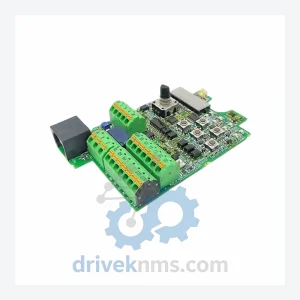
Mitsubishi BC386A504G51A Motherboard – Obsolete MELSEC Series Spare Part
Mitsubishi Electric BC386A504G51A is listed for MELSEC Series RFQ review. Confirm quantity, condition and destination before quotation.
RFQ-ready industrial model
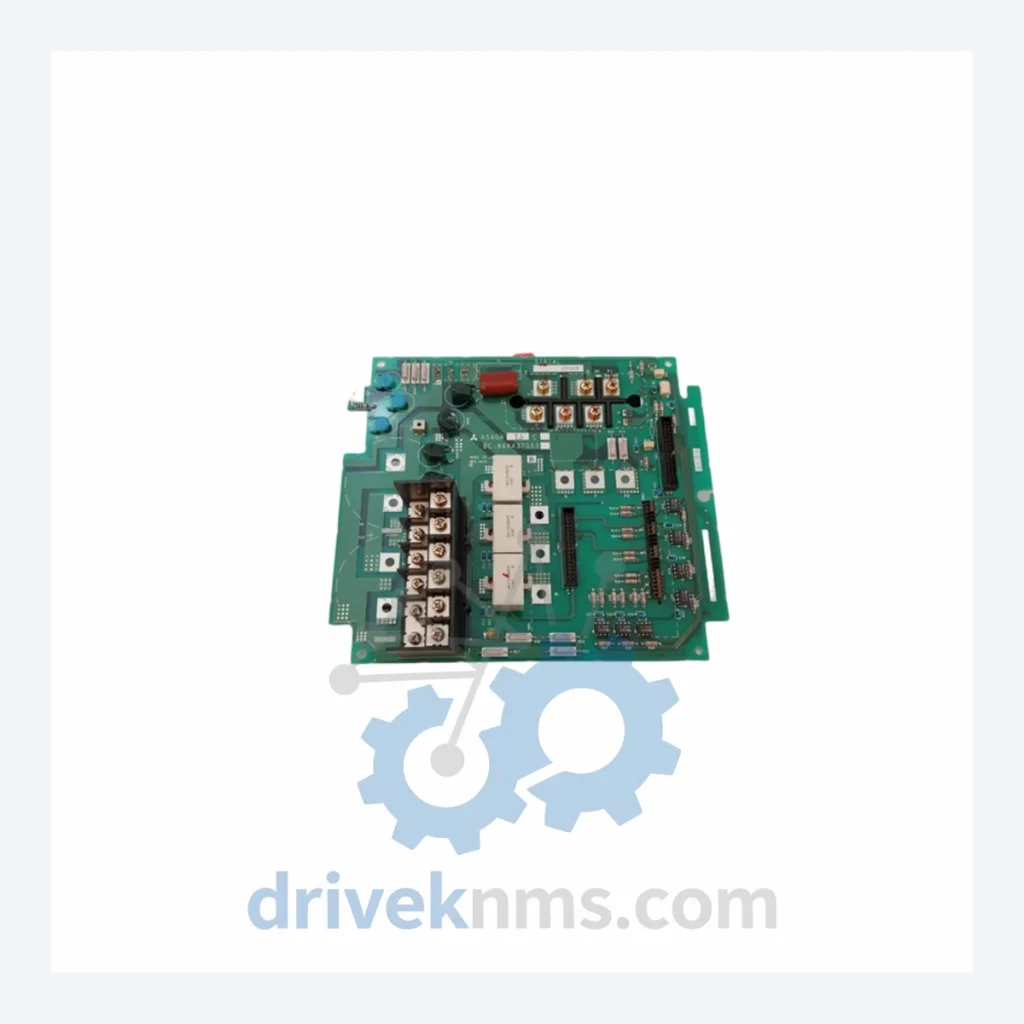
Model: BC186A166H03
Product Overview
Commercial availability is handled through direct RFQ, model verification and export-oriented follow-up rather than public cart checkout.
Datasheet Preview
Use attached product manuals when available. If the manual is not public yet, request the full file directly through RFQ.
Commercial Path
Product pages on DRIVEKNMS are designed to verify model, brand and series first, then move the buyer into one clean quotation path.
Technical Dossier
RFQ support for obsolete parts: Send the model number, required quantity and destination so DriveKNMS can confirm sourcing options before quotation.
Note: Electrical parameters specific to this board are not published here to prevent misapplication. Contact our technical team for confirmation against your system documentation.
The Mitsubishi MELSEC platform has served industrial automation reliably across automotive, food processing, semiconductor, and heavy manufacturing environments for decades. The BC186A166H03 circuit board occupies a defined role within that architecture — its failure does not merely interrupt one function; it can bring an entire control segment offline.
Sourcing discontinued industrial electronics carries inherent risk. DriveKNMS applies a 5-step inspection protocol to every BC186A166H03 unit before it leaves our facility:
Q: Can you confirm compatibility with my specific system before I order?
A: Yes. Provide your system model, existing board revision, and application context. Our technical team will confirm compatibility or flag any known revision-related considerations before the order is placed.
Continue The Model Path
Move from this exact model into the matching system hub, brand archive, model-family archive or lifecycle sourcing route before sending a final RFQ list.
Related Paths
Mitsubishi Electric BC386A504G51A is listed for MELSEC Series RFQ review. Confirm quantity, condition and destination before quotation.
Mitsubishi Electric A8GT-PW-EU is listed for MELSEC Series RFQ review. Confirm quantity, condition and destination before quotation.
Mitsubishi Electric AX81 is listed for MELSEC Series RFQ review. Confirm quantity, condition and destination before quotation.