
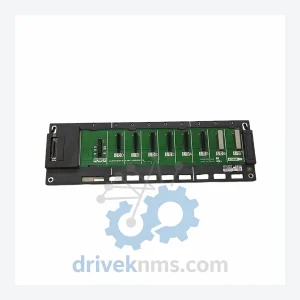
Mitsubishi A1S68B PLC Expansion Base Unit – MELSEC-AnS Series
Mitsubishi Electric A1S68B is listed for MELSEC-AnS Series RFQ review. Confirm quantity, condition and destination before quotation.
RFQ-ready industrial model
Model: D0IOC11
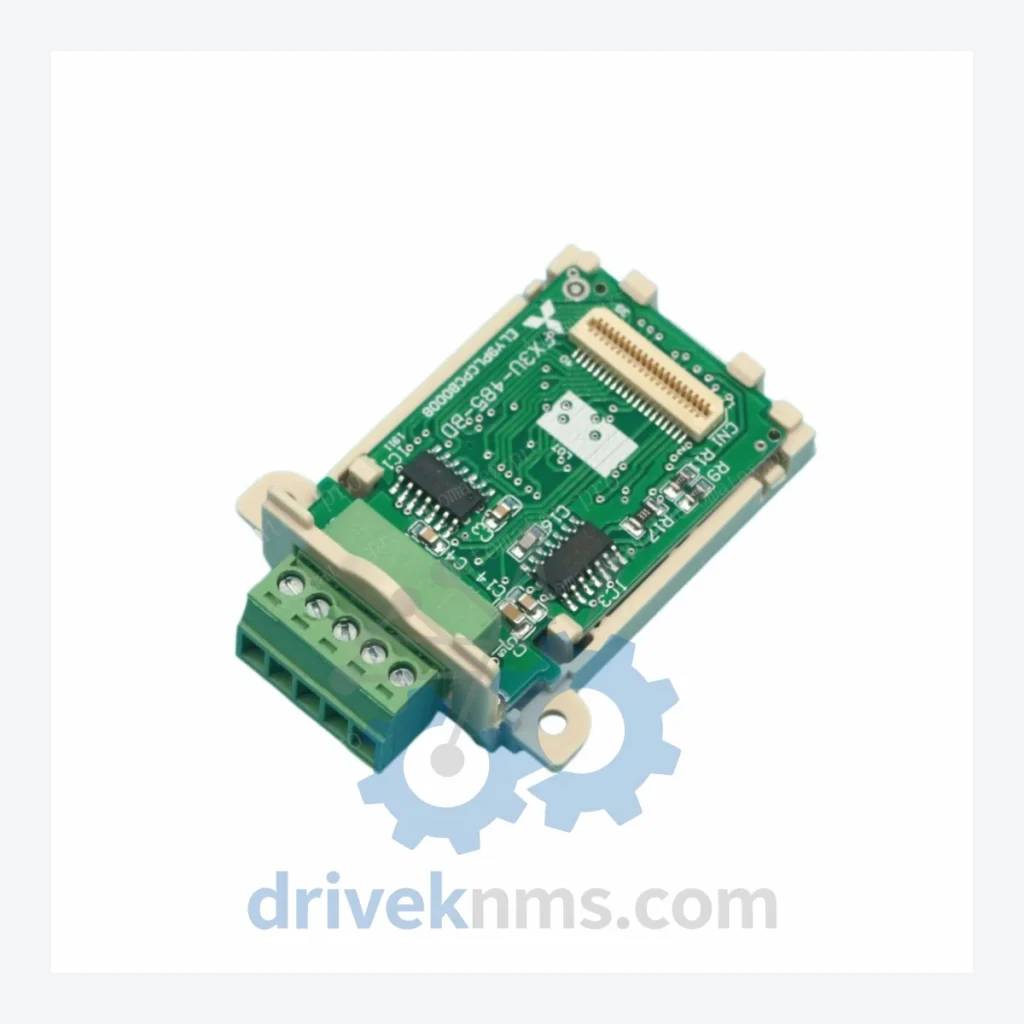
Product Overview
Commercial availability is handled through direct RFQ, model verification and export-oriented follow-up rather than public cart checkout.
Datasheet Preview
Use attached product manuals when available. If the manual is not public yet, request the full file directly through RFQ.
Commercial Path
Product pages on DRIVEKNMS are designed to verify model, brand and series first, then move the buyer into one clean quotation path.
Technical Dossier
RFQ support for obsolete parts: Send the model number, required quantity and destination so DriveKNMS can confirm sourcing options before quotation.
| Parameter | Detail |
|---|---|
| Manufacturer | Mitsubishi Electric |
| Part Number / SKU | D0IOC11 |
| Series | MELSEC-D |
| Module Type | DC Input Module |
| Country of Origin | Japan |
| Discontinuation Status | Discontinued – No longer manufactured or sold by OEM |
| Compatible Systems | Mitsubishi MELSEC-D series PLC platforms |
| Form Factor | Plug-in module for MELSEC-D base unit |
Note: Electrical parameters such as input voltage range, point count, and response time are not published here to avoid inaccuracy. Please contact us for verified datasheet documentation prior to purchase.
The MELSEC-D series was deployed extensively across Asian and European manufacturing facilities throughout the 1990s and early 2000s — in automotive stamping lines, food processing conveyors, textile machinery, and chemical batch control systems. Many of these installations remain operational today because the underlying process logic is sound and the mechanical infrastructure is intact. The control hardware, however, is aging without a manufacturer support net.
The D0IOC11 sits at the input layer of these systems — it is the module that reads field signals from sensors, limit switches, and proximity detectors and passes that data to the CPU. Without a functioning input module, the CPU is blind. A single failed module can halt an entire production cell.
Migrating away from a MELSEC-D platform is not simply a hardware swap. It requires re-engineering every I/O address, rewriting or converting ladder logic programs, reconfiguring HMI screens, and re-commissioning the entire system under production conditions. For a mid-size facility, this process takes months and carries significant risk of introducing new faults. Maintaining the existing platform with verified spare modules is, in most cases, the operationally sound and financially defensible choice — particularly when the remaining service life of the mechanical assets justifies another 5 to 10 years of operation.
Factory management teams facing pressure to retire aging control systems often underestimate the leverage that a structured spare parts strategy provides. The following approach has been applied successfully across facilities running legacy Mitsubishi, Siemens S5, and Allen-Bradley SLC 500 platforms:
3. Document firmware and configuration baselines. Before any module is swapped, capture the current program version, I/O mapping, and parameter settings. This eliminates re-commissioning delays when a replacement is installed.
This approach does not require capital expenditure approval for a full system upgrade. It requires a maintenance budget line and a procurement decision. For most facilities, it is the lowest-cost path to protecting an asset that is already paid for.
Discontinued modules sourced from the secondary market carry inherent risk if they are not properly inspected before installation. DriveKNMS applies a 5-step inspection protocol to all obsolete parts prior to shipment:
Step 1 – Visual and mechanical inspection. Boards are examined for physical damage, burn marks, cracked solder joints, and connector pin condition. Modules with visible corrosion on edge connectors or backplane contacts are rejected.
Step 2 – Electrolytic capacitor assessment. Aged electrolytic capacitors are a primary failure mode in modules of this era. Each unit is assessed for capacitor bulging, leakage residue, and ESR deviation where test equipment permits.
Step 3 – Firmware and label verification. Where applicable, firmware version markings are cross-referenced against known production revisions to confirm authenticity and compatibility.
Step 4 – Pin and connector integrity check. All I/O connector pins are inspected for oxidation, bending, and contact resistance. Corroded pins are a common cause of intermittent faults that are difficult to diagnose in the field.
Step 5 – Functional power-on test. Where test fixtures are available for the specific module type, units are powered and basic functional checks are performed before packaging.
Condition grade (New, Refurbished-Grade-A, or Tested-Used) is documented and communicated to the buyer prior to order confirmation. We do not ship modules without a declared condition grade.
Q: How do I know the unit is genuine and not counterfeit?
A: All units are sourced through documented supply channels. Label markings, board revision codes, and physical construction are verified against known-good references. Buyers are provided with inspection photos and condition documentation before dispatch review.
Q: Can you source other MELSEC-D series modules?
A: Yes. DriveKNMS specializes in obsolete and hard-to-find industrial automation components across multiple platforms. Contact us with your full BOM or parts list for availability and pricing.
Continue The Model Path
Move from this exact model into the matching system hub, brand archive, model-family archive or lifecycle sourcing route before sending a final RFQ list.
Related Paths
Mitsubishi Electric A1S68B is listed for MELSEC-AnS Series RFQ review. Confirm quantity, condition and destination before quotation.
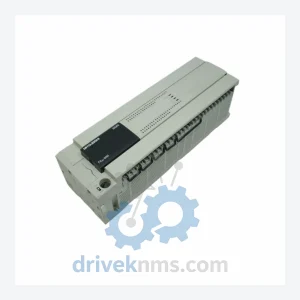
Mitsubishi Electric FX3U-80MR/ES is listed for MELSEC FX3U Series RFQ review. Confirm quantity, condition and destination before quotation.
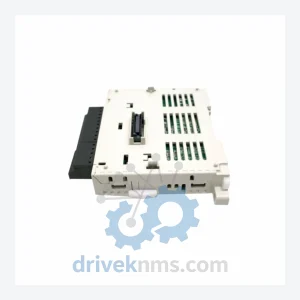
Mitsubishi Electric FX3U-4DA is listed for FX3U Series RFQ review. Confirm quantity, condition and destination before quotation.