
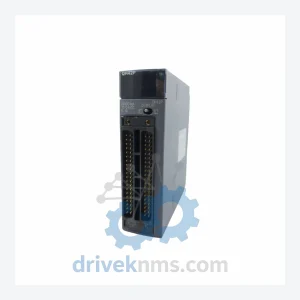
Mitsubishi QX48Y57 BD627B662G51 Combination Unit – PLC Module
Mitsubishi Electric QX48Y57 BD627B662G51 is listed for Servo Drives RFQ review. Confirm quantity, condition and destination before quotation.
RFQ-ready industrial model
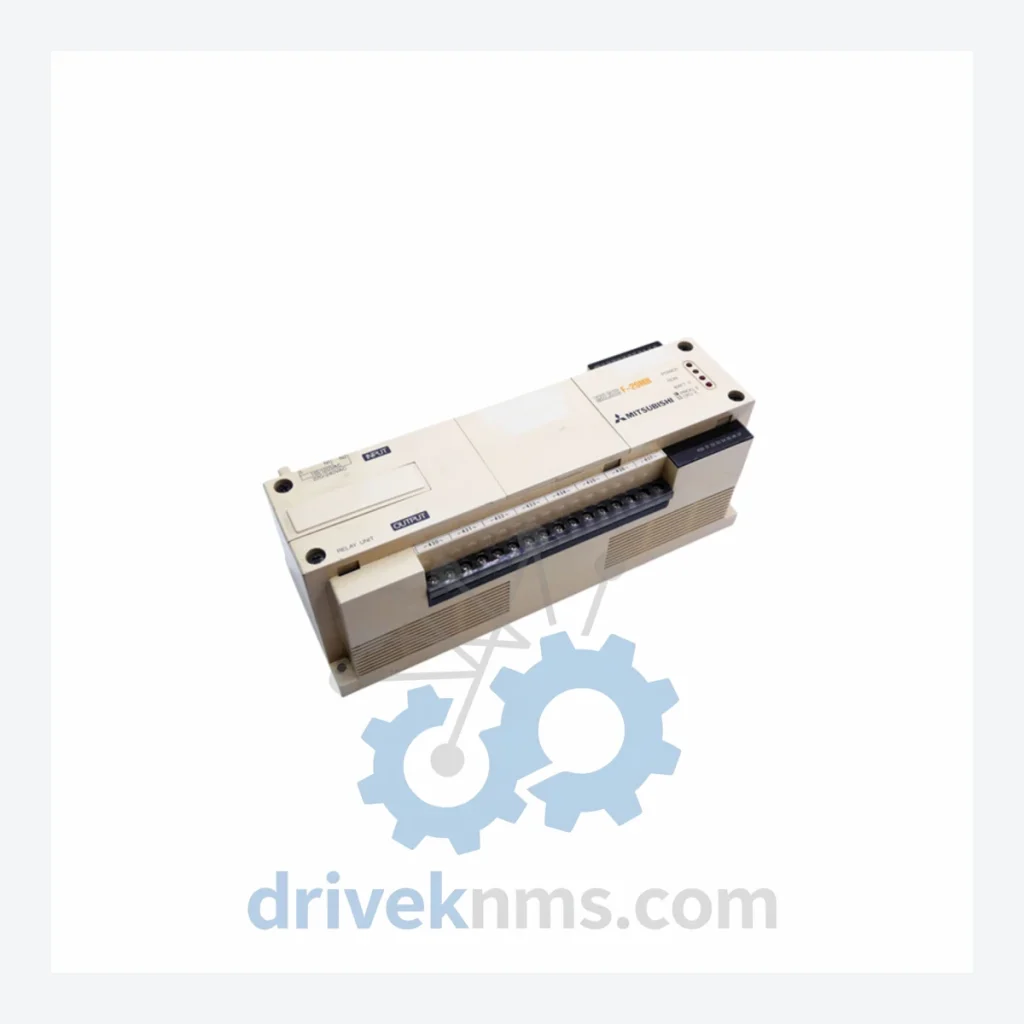
Model: F1-20MR
Product Overview
Commercial availability is handled through direct RFQ, model verification and export-oriented follow-up rather than public cart checkout.
Datasheet Preview
Use attached product manuals when available. If the manual is not public yet, request the full file directly through RFQ.
Commercial Path
Product pages on DRIVEKNMS are designed to verify model, brand and series first, then move the buyer into one clean quotation path.
Technical Dossier
RFQ support for obsolete parts: Send the model number, required quantity and destination so DriveKNMS can confirm sourcing options before quotation.
The MELSEC F1 series was Mitsubishi Electric's compact PLC platform widely deployed through the 1980s and into the 1990s. The F1-20MR, with its relay output configuration, became a standard component in relay-logic replacement projects across light manufacturing and process control. Its discontinuation left a large installed base without a factory-supported upgrade path that does not require full system redesign.
The core problem for plant managers is not the cost of the F1-20MR itself — it is the cost of everything that breaks when it is gone. Replacing the F1-20MR with a current-generation PLC requires new I/O wiring, updated SCADA or HMI communication drivers, re-validation of control logic, and in regulated industries, re-certification of the entire control loop. For a single production cell, this process typically takes 4 to 12 weeks of engineering time and carries significant production risk during commissioning.
Maintaining a strategic spare of the F1-20MR eliminates that risk entirely. A verified replacement unit can restore production within hours of a failure. For facilities running multiple F1-controlled machines, a structured spare parts program — holding one or two verified units per critical machine — provides a defensible asset protection strategy that extends the productive life of existing automation infrastructure by 5 to 10 years at a fraction of the cost of platform migration.
The F1-20MR is also commonly found in systems paired with Mitsubishi F1-series handheld programmers (F1-20P, F1-30P) and older GOT series HMI panels. Facilities using these peripheral devices face compounded obsolescence risk, making the availability of the base PLC unit even more operationally critical.
Obsolete hardware sourced from secondary markets carries real risk. DriveKNMS applies a structured 5-step quality process to every F1-20MR unit before it is offered for sale:
Q: How are RFQ terms confirmed?
A: Quantity, required condition, documentation needs, destination and sourcing route are confirmed during RFQ review before quotation.
Step 2 – Electrolytic Capacitor Assessment: F1-series boards use electrolytic capacitors that degrade over time regardless of storage conditions. Each unit is assessed for capacitor bulge, leakage, and ESR deviation. Units with compromised capacitors are either recapped by qualified technicians or removed from inventory.
Step 3 – Firmware and Memory Verification: Internal program memory is checked for data retention integrity. Battery-backed RAM units are tested for memory hold time. Firmware version is documented where readable.
Step 4 – Pin and Terminal Inspection: All I/O terminals and communication ports are inspected for oxidation, corrosion, and mechanical wear. Corroded contacts are treated or the unit is rejected.
Step 5 – Functional Power-On Test: Where test fixtures are available, units undergo a power-on verification cycle to confirm basic CPU operation and I/O response.
Each unit ships with a condition report. We do not represent untested units as verified — condition is stated accurately in every transaction.
The F1-20MR is a direct drop-in replacement for any existing F1-20MR installation. There is no hardware modification required, no I/O remapping, and no reprogramming of the host system — provided the replacement unit is loaded with the original machine program, which in most facilities is retained in paper backup or on F1-series programmer cassettes.
This drop-in compatibility is the primary financial argument for sourcing a spare rather than migrating the platform. Engineering hours are not consumed. Production is not disrupted for commissioning. The control system resumes operation in the same validated state it was in before the failure. For facilities under ISO or industry-specific quality certifications, this also avoids the re-validation burden that a platform change would trigger.
For plant managers evaluating long-term maintenance strategy: the cost of holding one verified F1-20MR spare is typically recovered in full the first time it prevents an unplanned shutdown. The second and third uses represent pure cost avoidance against a migration budget that remains deferred.
Q: How is condition confirmed before quotation?
A: Available condition, photos, test records and documentation are checked according to the requested model and sourcing channel before a formal RFQ response.
Q: Can you support multi-unit or repeat RFQ requests?
A: Yes. Send the model list, target quantity and destination so DRIVEKNMS can review sourcing options and quote the requirement as a project RFQ.
Continue The Model Path
Move from this exact model into the matching system hub, brand archive, model-family archive or lifecycle sourcing route before sending a final RFQ list.
Related Paths
Mitsubishi Electric QX48Y57 BD627B662G51 is listed for Servo Drives RFQ review. Confirm quantity, condition and destination before quotation.
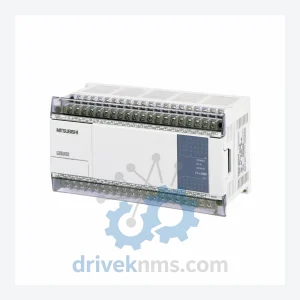
Mitsubishi Electric FX1N-40MC is listed for FX1N Series RFQ review. Confirm quantity, condition and destination before quotation.
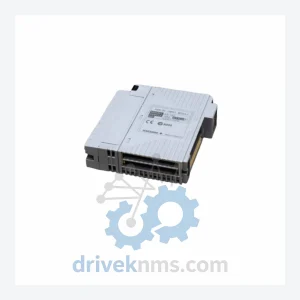
Mitsubishi Electric F2-32RM JY331A401D is listed for Servo Drives RFQ review. Confirm quantity, condition and destination before quotation.