
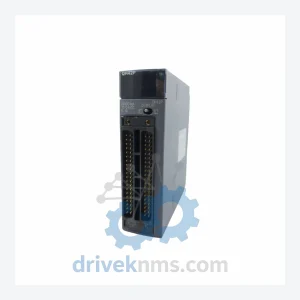
Mitsubishi QX48Y57 BD627B662G51 Combination Unit – PLC Module
Mitsubishi Electric QX48Y57 BD627B662G51 is listed for Servo Drives RFQ review. Confirm quantity, condition and destination before quotation.
RFQ-ready industrial model
Model: KCJ-120B
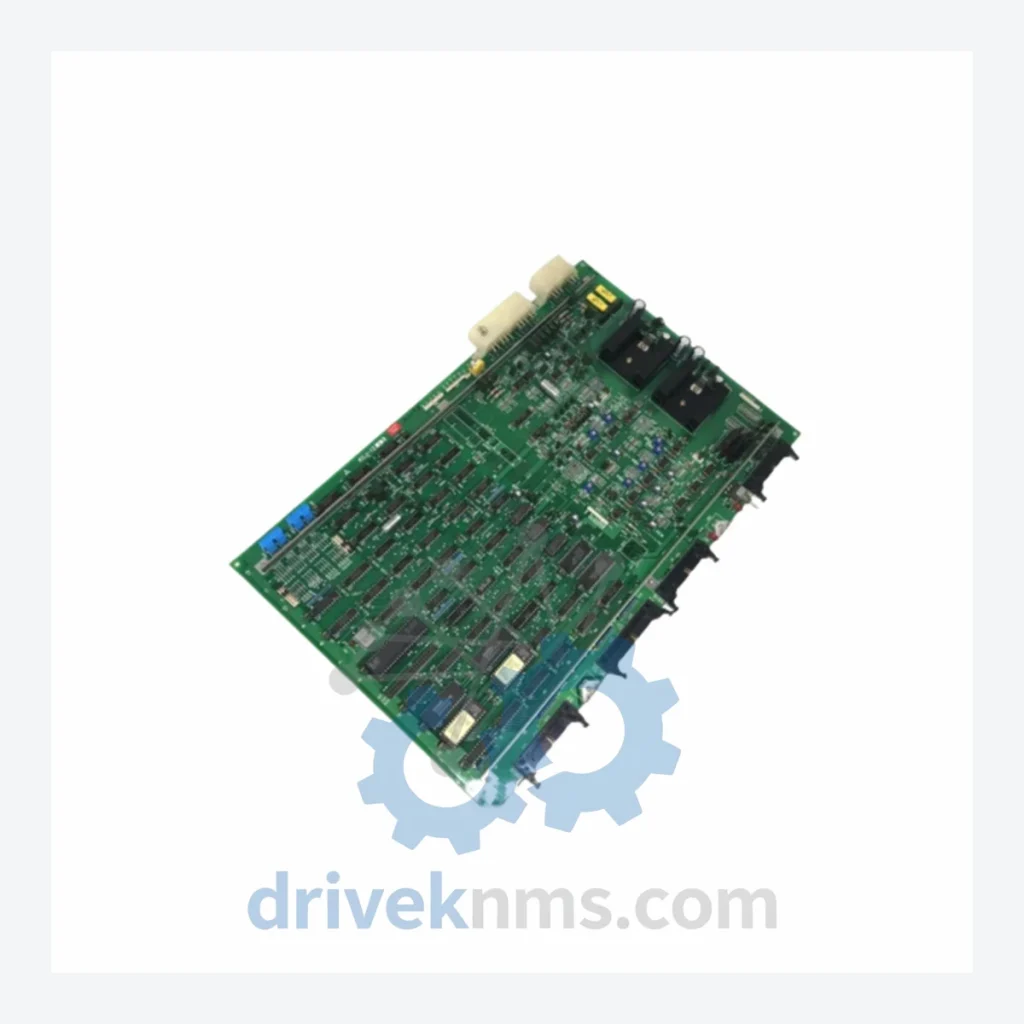
Product Overview
Commercial availability is handled through direct RFQ, model verification and export-oriented follow-up rather than public cart checkout.
Datasheet Preview
Use attached product manuals when available. If the manual is not public yet, request the full file directly through RFQ.
Commercial Path
Product pages on DRIVEKNMS are designed to verify model, brand and series first, then move the buyer into one clean quotation path.
Technical Dossier
RFQ support for obsolete parts: Send the model number, required quantity and destination so DriveKNMS can confirm sourcing options before quotation.
| Parameter | Detail |
|---|---|
| Part Number | KCJ-120B |
| Manufacturer | Mitsubishi Electric |
| Product Category | PCB Control Board |
| Series Compatibility | Mitsubishi MELSERVO Legacy Series |
| Country of Origin | Japan |
| Production Status | Discontinued / Obsolete – No longer manufactured |
| Typical Application | Servo drive control, motion axis management in legacy automation cells |
Note: Electrical parameters such as voltage ratings, current capacity, and communication interfaces are not published here to prevent specification errors. Contact us directly for verified datasheet access and cross-reference confirmation before ordering.
The Mitsubishi KCJ-120B PCB board is a control-layer component found in legacy servo drive assemblies that were widely deployed in automotive body shops, electronics manufacturing lines, and precision machining centers throughout the 1990s and 2000s. These systems were engineered for 20–30 year service lives, and many are still performing their core function reliably — except when a single board-level failure brings an entire axis or cell to a halt.
The industrial reality is this: the servo drive itself may be mechanically sound, the motor may have decades of life remaining, and the surrounding PLC infrastructure may be fully functional. The failure of one PCB does not justify a system retirement — yet without a replacement board, that is exactly the outcome plant managers are forced to accept.
For plant managers facing pressure to justify capital expenditure deferrals, the math is straightforward. Maintaining legacy Mitsubishi servo infrastructure with verified spare parts is a defensible, low-risk asset protection strategy. It preserves existing operator knowledge, avoids firmware and parameter migration risks, and keeps production running on a known-stable platform.
The window for sourcing KCJ-120B units is narrowing. Each year, fewer verified units remain in the global supply chain. Establishing a small strategic reserve — even one or two boards — eliminates the single-point-of-failure risk that this component represents.
Every KCJ-120B unit processed by DriveKNMS undergoes a structured 5-step quality assessment before it is offered for sale. This protocol is designed specifically for the failure modes common to PCB boards of this age and application:
Q: Should I buy more than one unit?
A: For any production-critical system where this board represents a single point of failure, holding at least one spare is standard risk management practice. For multi-axis installations or facilities with more than one machine using this board, a reserve of two to three units is a reasonable position given the declining availability of this part in the global market.
Continue The Model Path
Move from this exact model into the matching system hub, brand archive, model-family archive or lifecycle sourcing route before sending a final RFQ list.
Related Paths
Mitsubishi Electric QX48Y57 BD627B662G51 is listed for Servo Drives RFQ review. Confirm quantity, condition and destination before quotation.
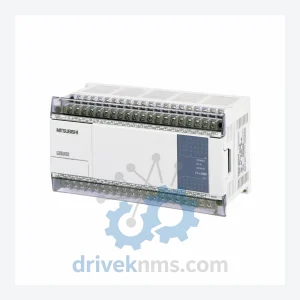
Mitsubishi Electric FX1N-40MC is listed for FX1N Series RFQ review. Confirm quantity, condition and destination before quotation.
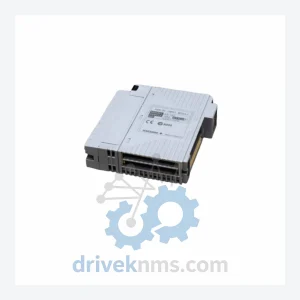
Mitsubishi Electric F2-32RM JY331A401D is listed for Servo Drives RFQ review. Confirm quantity, condition and destination before quotation.