
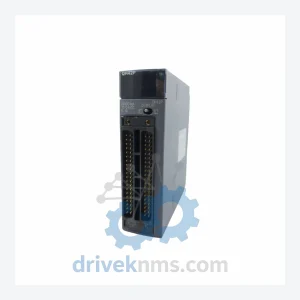
Mitsubishi QX48Y57 BD627B662G51 Combination Unit – PLC Module
Mitsubishi Electric QX48Y57 BD627B662G51 is listed for Servo Drives RFQ review. Confirm quantity, condition and destination before quotation.
RFQ-ready industrial model
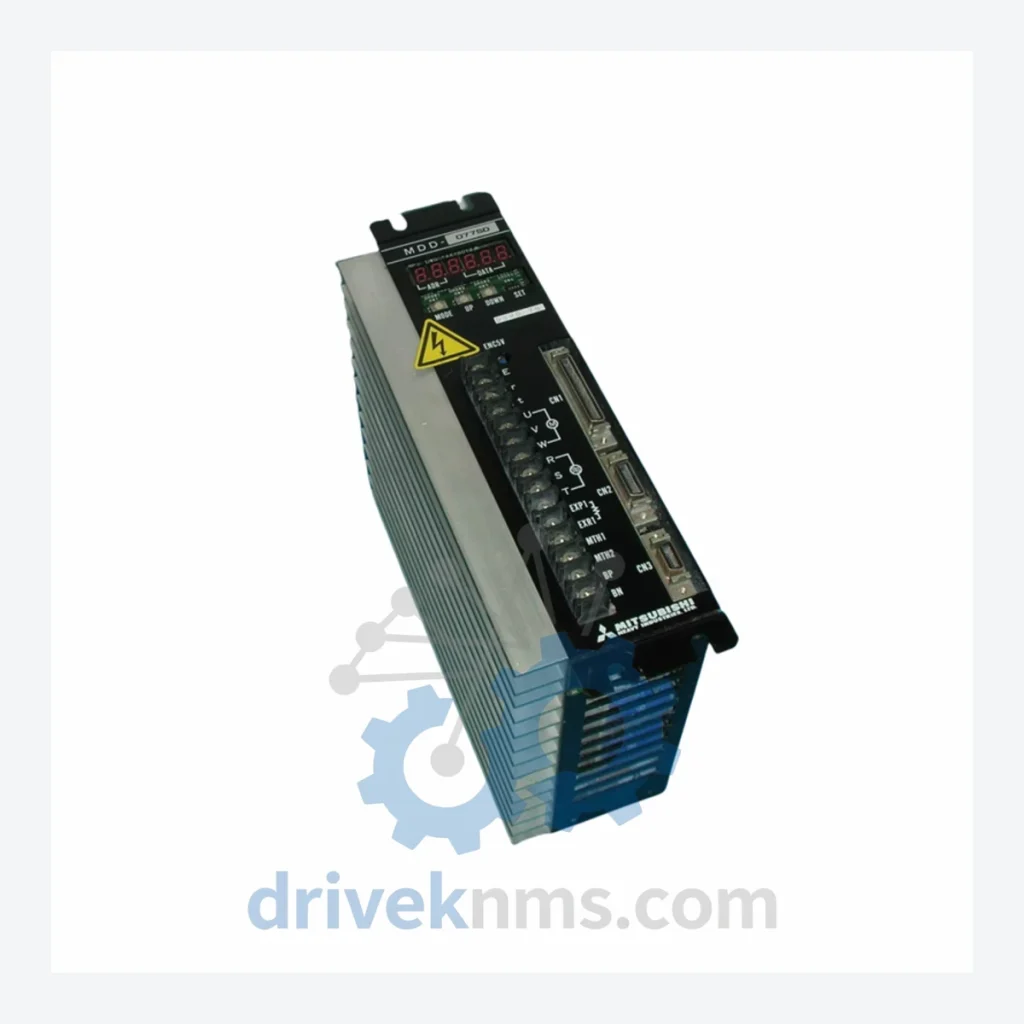
Model: MDD-077SD
Product Overview
Commercial availability is handled through direct RFQ, model verification and export-oriented follow-up rather than public cart checkout.
Datasheet Preview
Use attached product manuals when available. If the manual is not public yet, request the full file directly through RFQ.
Commercial Path
Product pages on DRIVEKNMS are designed to verify model, brand and series first, then move the buyer into one clean quotation path.
Technical Dossier
RFQ support for obsolete parts: Send the model number, required quantity and destination so DriveKNMS can confirm sourcing options before quotation.
Note: Specific electrical parameters (rated current, voltage input range, encoder interface) vary by sub-variant. Confirmed specifications are provided upon request with unit serial number verification. No parameters are published here that cannot be independently verified — equipment safety depends on accuracy.
The MDD-077SD was designed as a high-response servo amplifier within Mitsubishi's MELSERVO ecosystem, typically paired with MDD-series servo motors and coordinated by Mitsubishi CNC controllers or motion controllers such as the Q172DCPU and Q173DCPU. These control architectures remain operational in thousands of facilities globally — not because engineers are unaware of their age, but because the cost and risk of migration outweigh the cost of maintenance.
The discontinuation of the MDD-077SD creates a specific operational risk: a single drive failure with no verified replacement source forces a facility into an unplanned system-wide upgrade. That upgrade is not a weekend project. It involves motor compatibility assessment, cable and connector re-engineering, motion profile revalidation, safety system recertification, and operator retraining. Conservative estimates place the total cost of an unplanned MELSERVO-to-current-generation migration at 8 to 15 times the cost of maintaining the existing system with verified spare parts.
Facilities that have extended MELSERVO system life by 5 to 10 years consistently follow the same strategy: they identify the three to five highest-failure-risk components in their drive system, secure verified spares before failure occurs, and establish a documented maintenance schedule for capacitor inspection and firmware version control. The MDD-077SD is frequently the highest-risk single point of failure in these systems because it is the unit most exposed to thermal cycling and load transients. Securing one or two verified spares now converts an unplanned crisis into a scheduled maintenance event.
Obsolete servo drives present specific failure modes that differ from current-production units. DriveKNMS applies a 5-step inspection protocol to every MDD-077SD unit before it leaves our facility:
Continue The Model Path
Move from this exact model into the matching system hub, brand archive, model-family archive or lifecycle sourcing route before sending a final RFQ list.
Related Paths
Mitsubishi Electric QX48Y57 BD627B662G51 is listed for Servo Drives RFQ review. Confirm quantity, condition and destination before quotation.
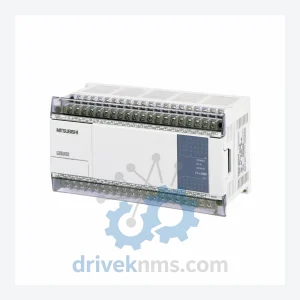
Mitsubishi Electric FX1N-40MC is listed for FX1N Series RFQ review. Confirm quantity, condition and destination before quotation.
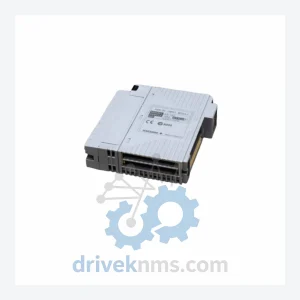
Mitsubishi Electric F2-32RM JY331A401D is listed for Servo Drives RFQ review. Confirm quantity, condition and destination before quotation.