
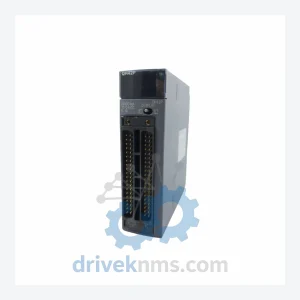
Mitsubishi QX48Y57 BD627B662G51 Combination Unit – PLC Module
Mitsubishi Electric QX48Y57 BD627B662G51 is listed for Servo Drives RFQ review. Confirm quantity, condition and destination before quotation.
RFQ-ready industrial model
Model: MR-J3-70B
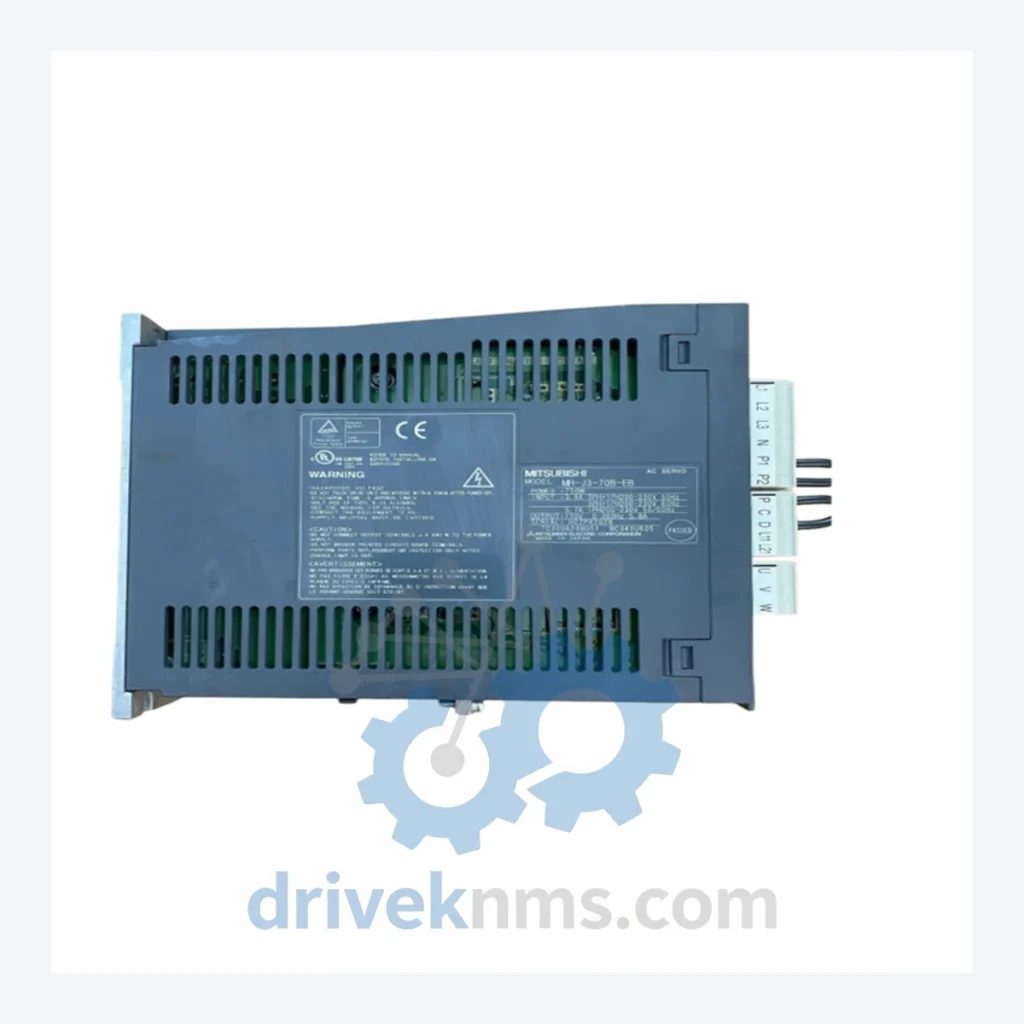
Product Overview
Commercial availability is handled through direct RFQ, model verification and export-oriented follow-up rather than public cart checkout.
Datasheet Preview
Use attached product manuals when available. If the manual is not public yet, request the full file directly through RFQ.
Commercial Path
Product pages on DRIVEKNMS are designed to verify model, brand and series first, then move the buyer into one clean quotation path.
Technical Dossier
The following SKUs represent verified, commonly stocked models within the MR-J3 product family, classified by output capacity and interface type:
SSCNET III Bus-Type Amplifiers (B-Suffix):
MR-J3-10B: 100 W, SSCNET III, 3-phase 200 VAC, for small-inertia positioning axes.
MR-J3-20B: 200 W, SSCNET III, compact form factor, standard conveyor and pick-and-place use.
MR-J3-40B: 400 W, SSCNET III, mid-range torque, common in packaging machine axes.
MR-J3-70B: 750 W, SSCNET III, this unit; standard reference for multi-axis machine tool retrofits.
MR-J3-100B: 1 kW, SSCNET III, high-cycle duty, used in press-feed and winding applications.
MR-J3-200B: 2 kW, SSCNET III, heavy-duty axis control in robotic welding cells.
MR-J3-350B: 3.5 kW, SSCNET III, large-inertia load compensation, crane auxiliary drives.
MR-J3-500B: 5 kW, SSCNET III, high-power spindle and feed axis in CNC machining centers.
MR-J3-700B: 7 kW, SSCNET III, heavy industrial servo for large-format cutting machines.
MR-J3-11KB: 11 kW, SSCNET III, large-scale motion axis, steel mill auxiliary equipment.
Pulse-Train Input Amplifiers (A-Suffix):
MR-J3-10A: 100 W, pulse-train input, compatible with FX/Q-series PLC positioning modules.
MR-J3-20A: 200 W, pulse-train input, general-purpose standalone servo axis.
MR-J3-40A: 400 W, pulse-train input, standard OEM machine integration unit.
MR-J3-70A: 750 W, pulse-train input, equivalent output class to MR-J3-70B, non-bus topology.
MR-J3-100A: 1 kW, pulse-train input, high-speed positioning with electronic gear ratio function.
MR-J3-200A: 2 kW, pulse-train input, tension control and torque-limiting applications.
Continue The Model Path
Move from this exact model into the matching system hub, brand archive, model-family archive or lifecycle sourcing route before sending a final RFQ list.
Related Paths
Mitsubishi Electric QX48Y57 BD627B662G51 is listed for Servo Drives RFQ review. Confirm quantity, condition and destination before quotation.
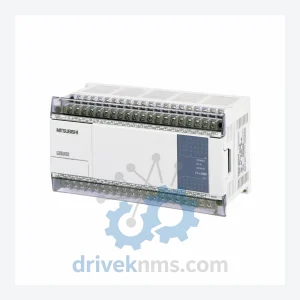
Mitsubishi Electric FX1N-40MC is listed for FX1N Series RFQ review. Confirm quantity, condition and destination before quotation.
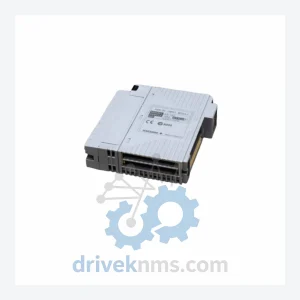
Mitsubishi Electric F2-32RM JY331A401D is listed for Servo Drives RFQ review. Confirm quantity, condition and destination before quotation.