
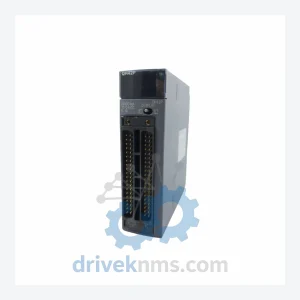
Mitsubishi QX48Y57 BD627B662G51 Combination Unit – PLC Module
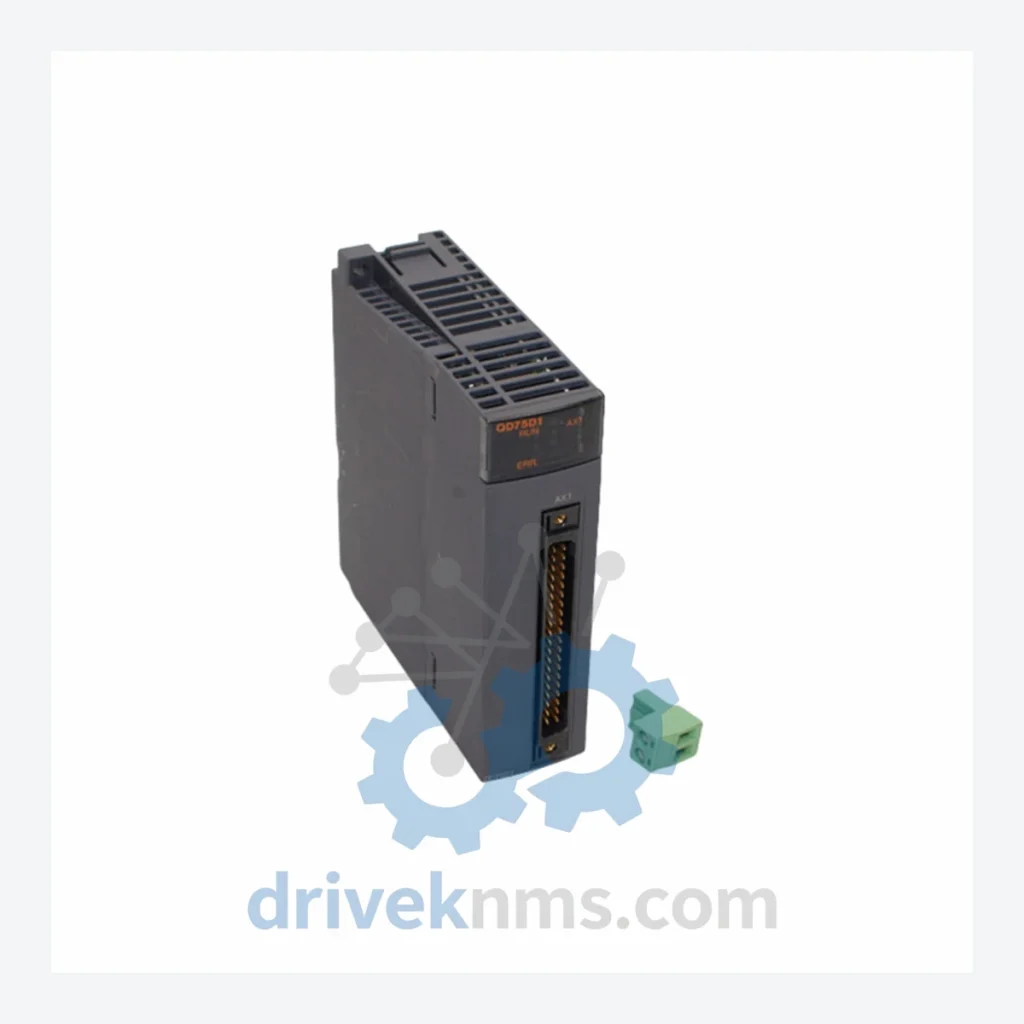
Mitsubishi Electric QX48Y57 BD627B662G51 is listed for Servo Drives RFQ review. Confirm quantity, condition and destination before quotation.
RFQ-ready industrial model
Model: SD1T0A-A-SD-1T0A-08
Product Overview
Commercial availability is handled through direct RFQ, model verification and export-oriented follow-up rather than public cart checkout.
Datasheet Preview
Use attached product manuals when available. If the manual is not public yet, request the full file directly through RFQ.
Commercial Path
Product pages on DRIVEKNMS are designed to verify model, brand and series first, then move the buyer into one clean quotation path.
Technical Dossier
RFQ support for obsolete parts: Send the model number, required quantity and destination so DriveKNMS can confirm sourcing options before quotation.
Note: Electrical parameters for this discontinued module are not published in current Mitsubishi documentation. Specifications are confirmed against original hardware during our QA process. No parameters are assumed or fabricated.
The Mitsubishi MELSEC platform represents one of the most widely deployed PLC architectures in Asian and global manufacturing. Facilities running MELSEC-based automation — particularly in automotive stamping, food processing, and chemical batch control — built their processes around the deterministic behavior of specific module configurations. The SD1T0A-A-SD-1T0A-08 occupies a defined slot in those configurations. There is no modern drop-in equivalent that does not require at minimum a firmware reconfiguration, and in many cases a full I/O remapping exercise.
The industrial automation market has a well-documented pattern: OEMs discontinue hardware on 10-to-15-year cycles, but the installed base of that hardware operates for 25 to 35 years. The gap between OEM support end-of-life and actual equipment retirement is where production risk concentrates. Sourcing this module from DriveKNMS closes that gap without triggering a capital expenditure cycle.
For plant managers operating under asset-sweating mandates — where the directive is to extract maximum value from existing capital equipment before replacement — a verified spare of this module is a balance sheet decision, not just a maintenance decision. One unplanned line stoppage on a high-throughput production cell typically exceeds the cost of maintaining a two-unit spare inventory of this module by a factor of ten or more.
The following approach is used by maintenance engineering teams that have successfully deferred MELSEC system replacements by a decade or more:
2. Minimum Two-Unit Spare Policy. For any module that controls a process with no manual bypass, maintain a minimum of two verified spares on-site. The cost of carrying two units of this module is negligible against the cost of a 72-hour unplanned outage.
3. Firmware Version Locking. Document the exact firmware version running on each installed module. When sourcing replacements, verify that the spare matches the installed version. Firmware mismatches on MELSEC systems can cause subtle I/O timing errors that are difficult to diagnose under production pressure.
4. Scheduled Preventive Swap Cycles. For modules in service for more than 12 years, implement a scheduled swap-and-bench-test cycle every 3 to 5 years. This surfaces latent failures before they become production events.
5. Supplier Qualification. Not all aftermarket sources for discontinued Mitsubishi modules apply consistent QA standards. Counterfeit and misrepresented-condition modules are a documented risk in the obsolete parts market. Qualify your supplier before a crisis, not during one.
Every SD1T0A-A-SD-1T0A-08 unit shipped by DriveKNMS passes a five-stage inspection protocol before dispatch:
Step 1 – Electrolytic Capacitor Assessment. Aging electrolytic capacitors are the primary failure mode in legacy PLC modules. Each unit is inspected for capacitor bulging, leakage, and ESR deviation. Units with degraded capacitors are either recapped with equivalent-spec components or rejected.
Step 2 – Firmware Version Verification. The firmware version is read and documented. This information is provided to the buyer on request to confirm compatibility with the installed system.
Step 3 – Pin and Connector Inspection. All edge connectors and backplane pins are inspected under magnification for oxidation, corrosion, and mechanical deformation. Affected contacts are cleaned using appropriate non-conductive solvents or the unit is rejected.
Step 4 – Functional Power-On Test. Where test fixtures are available for this module type, a power-on functional test is conducted and results are logged.
Step 5 – Packaging and ESD Protection. Units are packaged in anti-static bags with desiccant and rigid outer packaging to prevent transit damage and moisture ingress during storage.
The SD1T0A-A-SD-1T0A-08 is a direct hardware replacement for the original installed module. For maintenance teams, this means:
Drop-in replacement. The module installs into the existing MELSEC rack without mechanical modification. No new mounting hardware, no chassis alteration.
No reprogramming required. The PLC program resides in the CPU module, not in this I/O or communication module. Replacement does not require a programmer or engineering resource on-site.
No system reconfiguration. The existing I/O mapping, network addressing, and parameter files remain valid. Maintenance technicians can execute the swap during a planned or unplanned outage window without specialist support.
Q: How do I confirm this is a genuine Mitsubishi module and not a counterfeit?
A: All units are inspected against known-genuine reference hardware. Markings, PCB construction, and component sourcing are verified. A condition report is available on request. We do not source from unverified secondary distributors.
Continue The Model Path
Move from this exact model into the matching system hub, brand archive, model-family archive or lifecycle sourcing route before sending a final RFQ list.
Related Paths
Mitsubishi Electric QX48Y57 BD627B662G51 is listed for Servo Drives RFQ review. Confirm quantity, condition and destination before quotation.
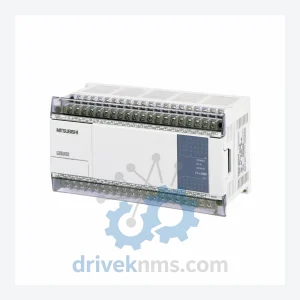
Mitsubishi Electric FX1N-40MC is listed for FX1N Series RFQ review. Confirm quantity, condition and destination before quotation.
Mitsubishi Electric F2-32RM JY331A401D is listed for Servo Drives RFQ review. Confirm quantity, condition and destination before quotation.