
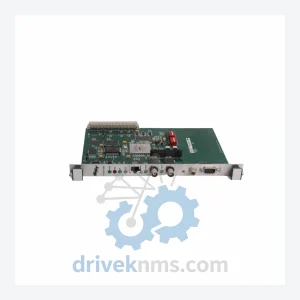
Molex 5136-CN-VME VMEbus Interface Module – Obsolete Industrial Spare Part
Molex 5136-CN-VME is listed for Communication Modules RFQ review. Confirm quantity, condition and destination before quotation.
RFQ-ready industrial model
Model: PCU-DPIO
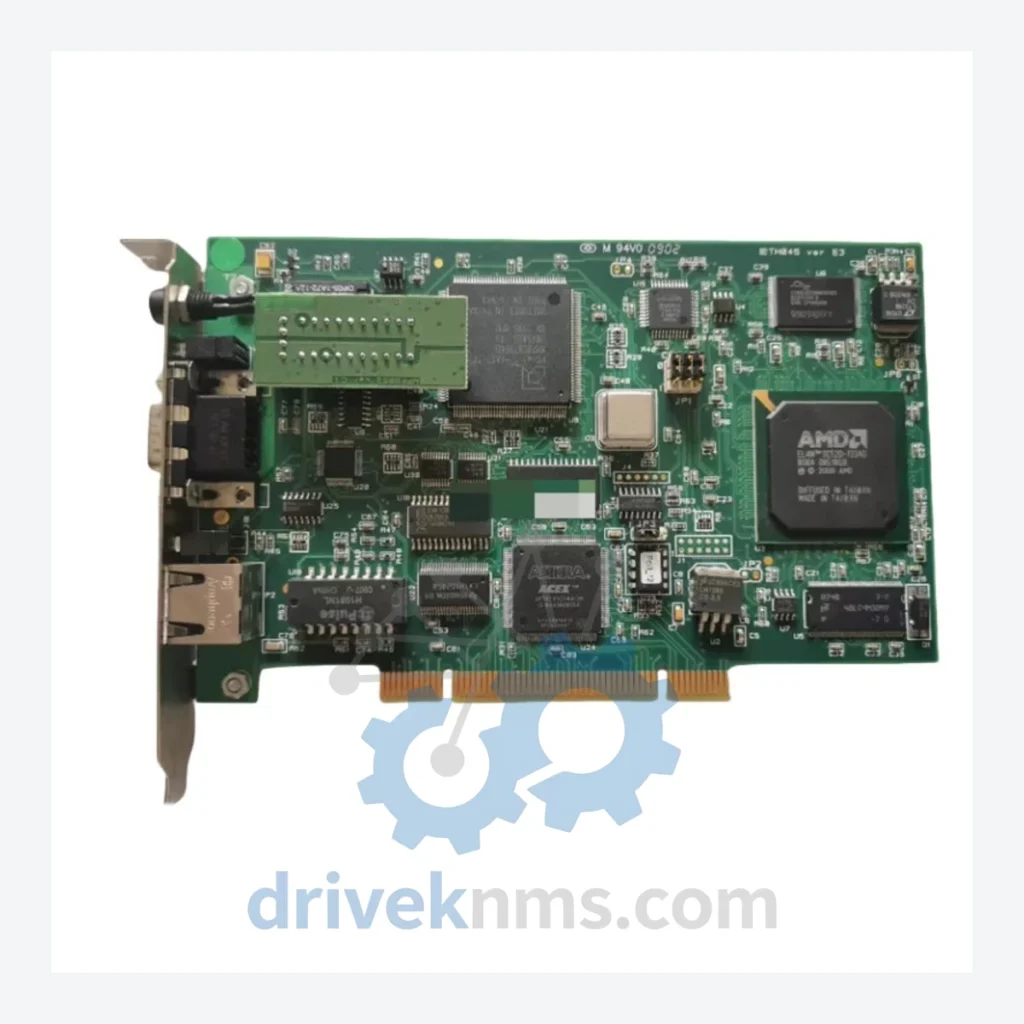
Product Overview
Commercial availability is handled through direct RFQ, model verification and export-oriented follow-up rather than public cart checkout.
Datasheet Preview
Use attached product manuals when available. If the manual is not public yet, request the full file directly through RFQ.
Commercial Path
Product pages on DRIVEKNMS are designed to verify model, brand and series first, then move the buyer into one clean quotation path.
Technical Dossier
When a general-purpose automation controller I/O module fails in a legacy production environment, the consequences extend far beyond a single line stoppage. Facilities running Molex PCU-series architectures face a hard reality: the PCU-DPIO is discontinued, and no direct OEM replacement exists. A forced migration to a modern DCS or PLC platform carries engineering, commissioning, and revalidation costs that routinely exceed seven figures. DriveKNMS maintains RFQ-reviewed sourcing status of the PCU-DPIO specifically to protect that capital investment and keep your existing infrastructure operational.
RFQ support for obsolete parts: Send the model number, required quantity and destination so DriveKNMS can confirm sourcing options before quotation.
| Attribute | Detail |
|---|---|
| Manufacturer | Molex |
| Part Number | PCU-DPIO |
| Series | PCU (Programmable Controller Unit) |
| Module Type | General-Purpose Digital/Analog I/O Module |
| Product Status | Discontinued / Obsolete – No longer manufactured by OEM |
| Country of Origin | United States |
| Compatible Systems | Molex PCU-series automation controllers; legacy distributed control architectures |
| Condition Available | New (sealed) / Refurbished (tested, certified) |
Q: How are RFQ terms confirmed?
A: Quantity, required condition, documentation needs, destination and sourcing route are confirmed during RFQ review before quotation.
The Molex PCU-DPIO occupies a role in legacy automation architectures that cannot be substituted with a generic off-the-shelf module. It serves as the physical and logical bridge between field instrumentation and the PCU controller backplane. Removing it from the equation means removing the entire control layer it supports.
Plant managers facing end-of-life pressure on PCU-series systems are confronted with two paths. The first is a full platform migration: new hardware, new software, new field wiring, new operator training, and a revalidation cycle that halts production for weeks or months. Industry benchmarks place the total cost of such migrations between USD 500,000 and USD 3,000,000 depending on system scale. The second path is targeted spare part procurement: source a verified PCU-DPIO, install it, and extend the operational life of the existing system by five to ten years at a fraction of that cost.
Every PCU-DPIO unit processed by DriveKNMS passes a five-stage quality protocol before it is offered for sale:
Units that do not pass all five stages are not sold. There are no exceptions.
For plant engineering and operations leadership managing facilities built on legacy automation platforms, the following framework has been applied successfully across process industries to extend system operational life by five to ten years without full platform replacement:
1. Criticality mapping: Audit all installed I/O modules and identify which ones, if failed, would cause a full production halt versus a partial line stoppage. Prioritize procurement of spares for Tier 1 critical nodes first.
2. Failure mode analysis: For legacy modules like the PCU-DPIO, the dominant failure modes are capacitor aging, connector oxidation, and firmware corruption from power events. Maintenance schedules should include periodic inspection of these specific failure vectors.
3. Controlled storage: Spare modules stored in uncontrolled environments degrade. Maintain spares in anti-static packaging, at stable temperature (15–25°C), and away from humidity. A properly stored PCU-DPIO can remain serviceable for ten or more years.
5. Lifecycle budget allocation: Build a dedicated line item in the annual maintenance budget for legacy spare part procurement. The cost is predictable and manageable. The cost of an unplanned outage caused by an unavailable spare is neither.
Q: Should I buy more than one unit?
A: For any PCU-DPIO installation that is critical to production continuity, maintaining at least one cold spare on-site is the minimum prudent position. For facilities with multiple PCU-series racks, a buffer of two to three units is standard practice. Availability of this part will not improve over time.
Continue The Model Path
Move from this exact model into the matching system hub, brand archive, model-family archive or lifecycle sourcing route before sending a final RFQ list.
Related Paths
Molex 5136-CN-VME is listed for Communication Modules RFQ review. Confirm quantity, condition and destination before quotation.
Molex PCIE2000ETH APP-EPB-PCIE is listed for Communication Modules RFQ review. Confirm quantity, condition and destination before quotation.
Molex 5136-CN-PCI is listed for Monitoring Systems RFQ review. Confirm quantity, condition and destination before quotation.