
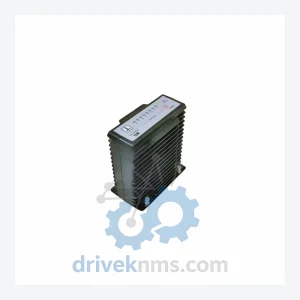
MTL F802 Redundant Fieldbus Power System – Obsolete MTL RELCOM Spare Part
Mtl F802 RELCOM F802 is listed for Monitoring Systems RFQ review. Confirm quantity, condition and destination before quotation.
RFQ-ready industrial model
Model: 8202-HO-IS
Product Overview
Commercial availability is handled through direct RFQ, model verification and export-oriented follow-up rather than public cart checkout.
Datasheet Preview
Use attached product manuals when available. If the manual is not public yet, request the full file directly through RFQ.
Commercial Path
Product pages on DRIVEKNMS are designed to verify model, brand and series first, then move the buyer into one clean quotation path.
Technical Dossier
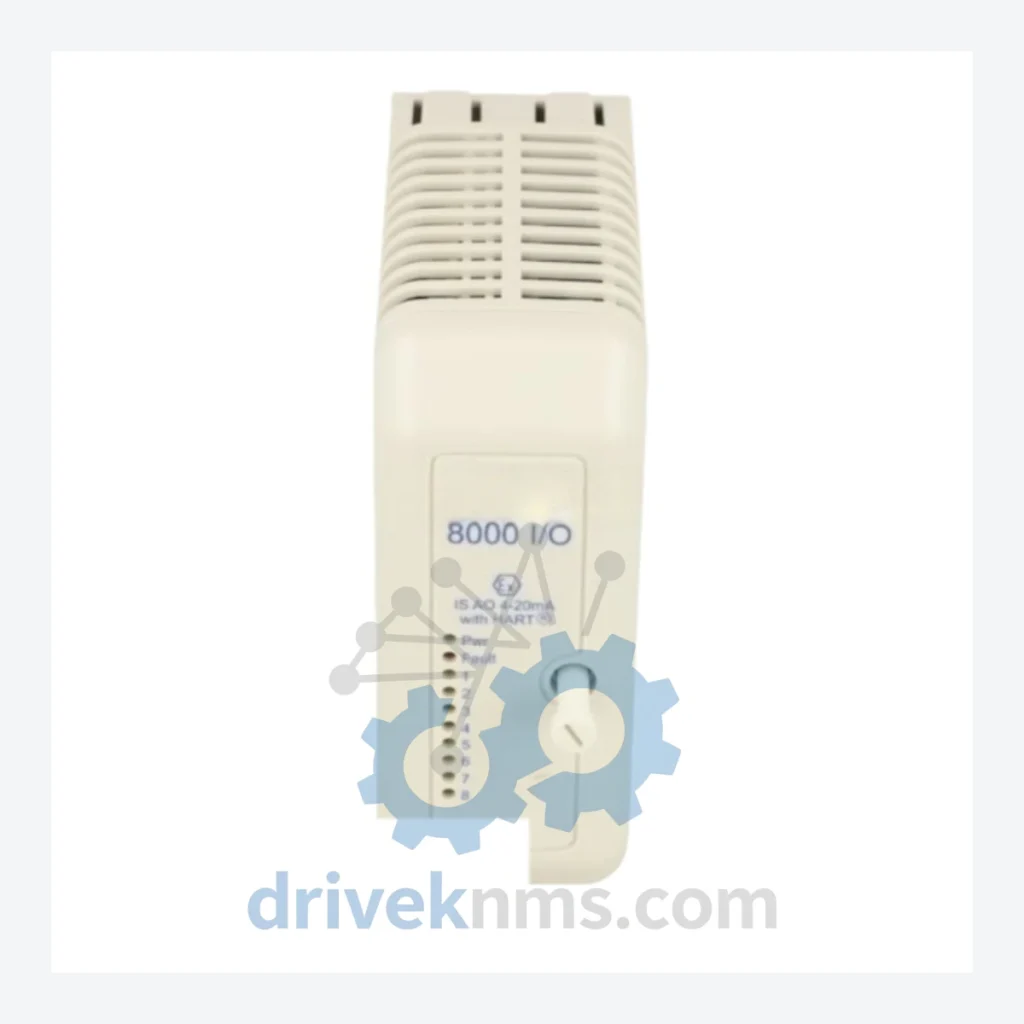
The MTL 8202-HO-IS is an 8-channel analog input module from MTL Instruments' MTL8000 series, designed for use in intrinsically safe (IS) measurement and control applications within hazardous area environments. This module has been discontinued by the original manufacturer, and replacement units are no longer available through standard distribution channels.
DriveKNMS reviews sourcing options for this model during RFQ handling before quotation.
RFQ support for obsolete parts: Send the model number, required quantity and destination so DriveKNMS can confirm sourcing options before quotation.
| Manufacturer | MTL Instruments (Eaton MTL) |
| Model / Part Number | 8202-HO-IS |
| Series | MTL8000 |
| Function | 8-Channel Analog Input, Intrinsically Safe |
| Hazardous Area Classification | Zone 0/1/2 (IIC), Div. 1/2 (NEC) |
| Signal Type | 4–20 mA (HART-compatible, IS field side) |
| Country of Origin | United Kingdom |
| Discontinuation Status | Officially discontinued – no longer manufactured |
| Compatible Systems | MTL8000 backplane systems; legacy DCS integrations including Honeywell TDC 3000, Foxboro I/A Series, ABB Advant/MasterPiece |
| Mounting | MTL8000 series backplane (DIN rail compatible) |
| Certifications | ATEX, IECEx (verify certificate validity for your jurisdiction) |
| Additional Parameters | Please contact us for full datasheet — parameters not confirmed independently will not be listed here to protect equipment safety. |
The MTL8000 series was a dominant platform in process industries throughout the 1990s and 2000s, particularly in oil & gas, petrochemical, and pharmaceutical manufacturing. Its intrinsic safety architecture made it the preferred choice for hazardous area I/O in facilities where ATEX compliance was non-negotiable.
The 8202-HO-IS specifically handles analog input from field instruments in intrinsically safe zones. In a typical refinery or chemical plant, this module interfaces with pressure transmitters, flow meters, and temperature sensors located in classified hazardous areas. There is no generic substitute: the module must match the backplane slot, the IS barrier parameters must align with the field device entity parameters, and the signal conditioning must be compatible with the host DCS's I/O card expectations.
Attempting to retrofit a modern I/O module into an MTL8000 backplane is not a straightforward engineering task. It requires re-validation of the intrinsic safety loop calculations, potential re-certification of the hazardous area installation, and re-configuration of the DCS I/O mapping — a process that can take months and cost tens of thousands of dollars per loop, before accounting for production losses during the transition.
The practical strategy for extending an MTL8000-based system by 5–10 years:
Sourcing obsolete industrial modules from the secondary market carries inherent risk. DriveKNMS applies a structured 5-step QA process to every MTL 8202-HO-IS unit before it leaves our facility:
Q: Should I buy multiple units as long-term strategic spares?
A: For any facility with more than 4–5 installed 8202-HO-IS modules, holding at least 2 verified spares is a sound risk management position. Global secondary market inventory for this specific module is finite and diminishing. Prices for obsolete IS modules typically increase as supply contracts. Purchasing now locks in current pricing and eliminates future supply risk.
Continue The Model Path
Move from this exact model into the matching system hub, brand archive, model-family archive or lifecycle sourcing route before sending a final RFQ list.
Related Paths
Mtl F802 RELCOM F802 is listed for Monitoring Systems RFQ review. Confirm quantity, condition and destination before quotation.
Mtl MTL5553 is listed for Monitoring Systems RFQ review. Confirm quantity, condition and destination before quotation.
Mtl MTL831C is listed for Servo Drives RFQ review. Confirm quantity, condition and destination before quotation.