Technical Dossier
Product Details And Specifications
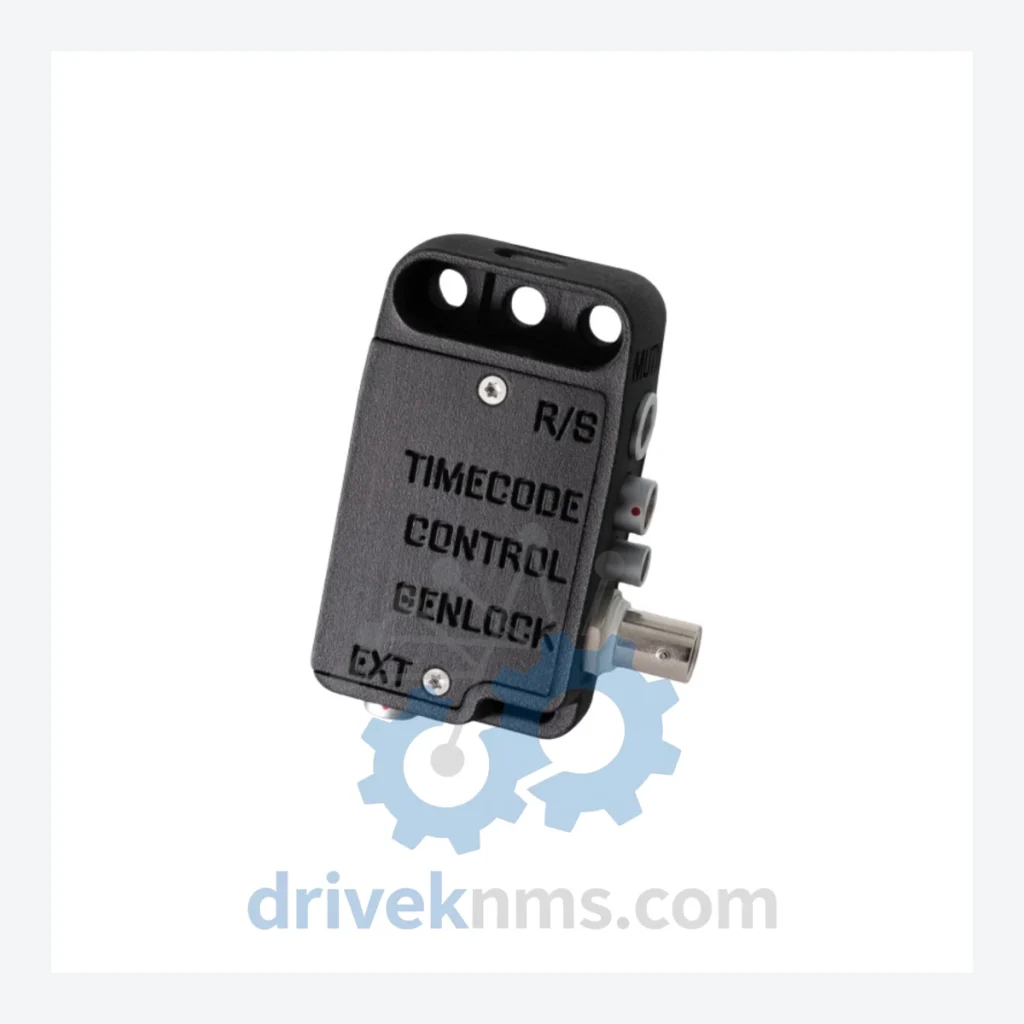
MUTINY 442-2181111100 Interface Box – Obsolete Spare Part
When a MUTINY 442-2181111100 Interface Box fails in a legacy automation environment, the consequences extend far beyond a single module replacement. For plants running aging distributed control systems, the failure of one interface node can trigger a cascade: production halts, engineering teams scramble for compatibility data, and procurement discovers the part was discontinued years ago. The cost of a forced system-wide upgrade — new PLCs, new wiring infrastructure, new HMI software, re-commissioning, and operator retraining — routinely runs into the millions. DriveKNMS maintains RFQ-reviewed sourcing status of the MUTINY 442-2181111100 precisely to prevent that scenario. Securing a spare now is not a procurement line item; it is an asset protection decision.
RFQ support for obsolete parts: Send the model number, required quantity and destination so DriveKNMS can confirm sourcing options before quotation.
Technical Specifications
Note: Electrical parameters for this discontinued module are not published by the OEM. DriveKNMS does not fabricate specifications. Contact us with your system documentation for compatibility verification.
Solving the Discontinued Hardware Crisis
The MUTINY 442-2181111100 Interface Box was designed as a communication and signal-conditioning bridge within MUTINY's legacy control architecture. In plants where this platform remains operational, the interface box is not a peripheral — it is a structural node. Removing it from service without a direct replacement means re-engineering the signal chain, which in practice requires new field wiring, updated I/O mapping, and software reconfiguration across dependent control loops.
For factory management facing system retirement pressure, the calculus is straightforward: a verified replacement module at a fraction of the upgrade cost buys 5 to 10 additional years of productive asset life. That window is sufficient to plan a controlled, budgeted migration rather than an emergency one. Plants in the chemical processing, power generation, and discrete manufacturing sectors have used exactly this strategy to defer capital expenditure while maintaining production continuity.
The scarcity of the 442-2181111100 on the open market is itself a risk factor. Each passing year reduces the pool of available units as other facilities cannibalize their own spares. Procurement teams that act before a failure event have negotiating leverage and time for proper incoming inspection. Those who act after a failure do not.
Condition & Reliability Assurance
DriveKNMS applies a 5-step quality assurance protocol to all obsolete modules before dispatch review:
- Step 1 – Visual and Mechanical Inspection: Full examination of housing integrity, connector pins, and PCB surface for corrosion, burn marks, or physical damage.
- Step 2 – Electrolytic Capacitor Assessment: Aging electrolytic capacitors are the primary failure mode in legacy electronics. Each unit is evaluated for capacitor bulging, leakage, and ESR deviation. Suspect capacitors are replaced with specification-matched components.
- Step 3 – Firmware Version Verification: Where firmware is embedded, the version is documented and cross-referenced against known compatible revisions for the target system.
- Step 4 – Pin and Contact Integrity Check: All connector interfaces are inspected for oxidation, deformation, and contact resistance. Corroded contacts are treated or the unit is rejected.
- Step 5 – Functional Bench Test: Units are powered and tested under controlled conditions to confirm basic operational integrity prior to packaging.
How Spare Parts Extend Automation Asset Life by 5–10 Years
For plant managers under pressure to justify continued operation of legacy systems, a documented spare parts program is also a governance tool. It demonstrates to finance and operations leadership that the existing asset base is being managed with discipline, not neglect. Regulatory and insurance frameworks in several industries recognize proactive sparing as evidence of adequate maintenance practice.
The recommended approach for facilities running MUTINY legacy systems: identify the three to five modules with no available substitute and no modern equivalent, secure at least one verified spare for each, and document the holding as part of the plant's asset management record. The 442-2181111100 Interface Box belongs on that list.
How do I know the unit is genuine and not counterfeit?
All units sourced by DriveKNMS are traceable to documented supply channels. Physical markings, date codes, and PCB characteristics are verified against known-good references during incoming inspection. We do not source from unverified brokers.
Should I buy more than one unit?
For a module with no current production equivalent, holding a minimum of two units is advisable — one operational spare and one long-term reserve. The cost of a second unit is negligible relative to the cost of a production stoppage caused by a second failure with no spare available.
Can you source additional quantity if I need more?
Contact us with your requirement. DriveKNMS maintains active sourcing networks for obsolete industrial components and can often locate additional RFQ-reviewed sourcing status within 5–15 business days.