
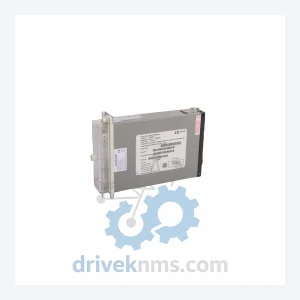
ALSTOM MVAJ105RA0802A Protection Relay – MiCOM Series
Alstom MVAJ105RA0802A is listed for MiCOM Series RFQ review. Confirm quantity, condition and destination before quotation.
RFQ-ready industrial model
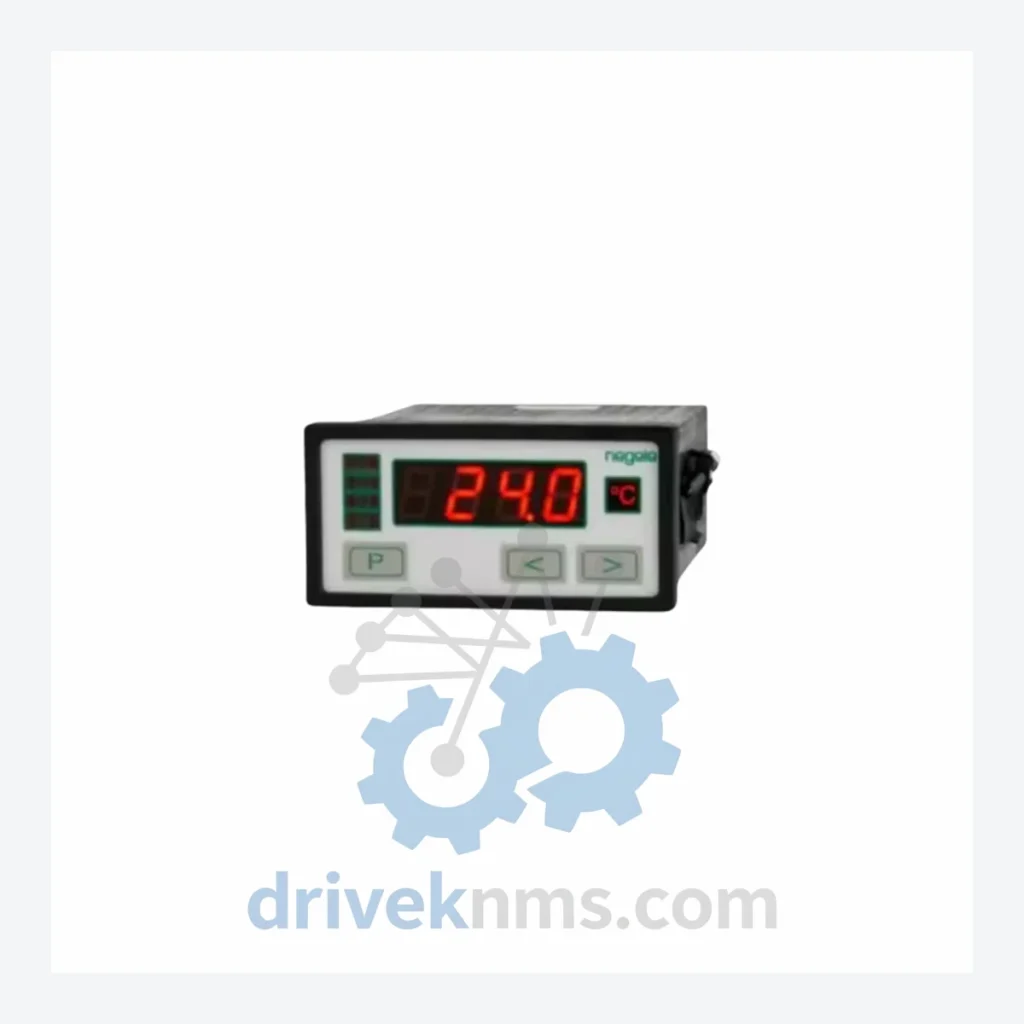
Model: DPM-GS-2GW-S
Product Overview
Commercial availability is handled through direct RFQ, model verification and export-oriented follow-up rather than public cart checkout.
Datasheet Preview
Use attached product manuals when available. If the manual is not public yet, request the full file directly through RFQ.
Commercial Path
Product pages on DRIVEKNMS are designed to verify model, brand and series first, then move the buyer into one clean quotation path.
Technical Dossier
The NEGELE DPM-GS series represents a well-established line of universal digital process indicators engineered for continuous deployment in heavy industrial environments. These units are installed across chemical processing plants, petroleum refineries, food & beverage production facilities, and power generation stations globally. The DPM-GS platform is designed to accept a wide range of process input signals — including thermocouples, RTDs, standard current/voltage loops, and resistance inputs — making it a universal front-end display and control node within distributed control architectures. Its DIN-rail and panel-mount form factors allow integration into both legacy SCADA cabinets and modern PLC enclosures. The series has accumulated a significant installed base in European and Asian industrial markets, where NEGELE's reputation for precision measurement instrumentation is well established.
The DPM-GS series was developed by NEGELE Messtechnik GmbH as part of their process display instrumentation portfolio. Early variants in the DPM-GS line focused on single-channel analog input display with relay output capability, targeting temperature and pressure monitoring loops in food-grade and chemical-grade process lines. As industrial automation standards evolved — particularly with the adoption of PROFIBUS and later IO-Link communication layers — the DPM-GS architecture was extended to support dual-relay configurations, analog retransmission outputs (4–20 mA), and RS-485 serial interfaces for integration with supervisory systems.
The suffix coding system used across the DPM-GS range encodes the input type, output configuration, power supply variant, and housing class. For example, the DPM-GS-2GW-S suffix indicates a dual-relay output (2G), universal power supply (W), and stainless/sealed housing variant (S). Compatibility between DPM-GS sub-variants is generally maintained at the wiring terminal level, though firmware and display parameter sets differ between generations. Facilities managing aging DPM-GS installations must account for these generational differences when sourcing replacement units, as direct plug-and-play substitution is not always guaranteed without parameter re-commissioning.
Modern alternatives to the DPM-GS series include NEGELE's own next-generation indicator platforms as well as third-party equivalents from Endress+Hauser, WIKA, and Yokogawa. However, for plants with validated process configurations tied to DPM-GS wiring and parameter structures, maintaining original-series spares remains the operationally preferred approach.
The following SKUs represent the documented range of NEGELE DPM-GS series process indicators. Units are classified by output configuration and input type:
Universal Input / Dual Relay Output:
Universal Input / Single Relay Output:
Universal Input / Analog Retransmission Output:
Universal Input / Relay + Analog Combination:
Temperature-Specific / RTD Input Variants:
Each DPM-GS unit processed through DriveKNMS undergoes a structured inspection and functional verification protocol before dispatch. The DPM-GS platform's multi-input architecture — which must correctly identify and scale signals from thermocouples, RTDs, and 4–20 mA loops — requires input-type-specific calibration verification rather than a generic pass/fail test.
Continue The Model Path
Move from this exact model into the matching system hub, brand archive, model-family archive or lifecycle sourcing route before sending a final RFQ list.
Related Paths
Alstom MVAJ105RA0802A is listed for MiCOM Series RFQ review. Confirm quantity, condition and destination before quotation.
Moore 16137-174 is listed for Servo Drives RFQ review. Confirm quantity, condition and destination before quotation.
Fuji Electric EP-3364B-CA-Z2 is listed for FRENIC Series RFQ review. Confirm quantity, condition and destination before quotation.