
PHOENIX DIGITAL OCX-CTN Modules OCX-CTN-13-R-D-ST-ACV
Phoenix Digital OCX-CTN-13-R-D-ST-ACV is listed for Servo Drives RFQ review. Confirm quantity, condition and destination before quotation.
RFQ-ready industrial model
Model: OCX-CTN-85-R-D-ST-24V
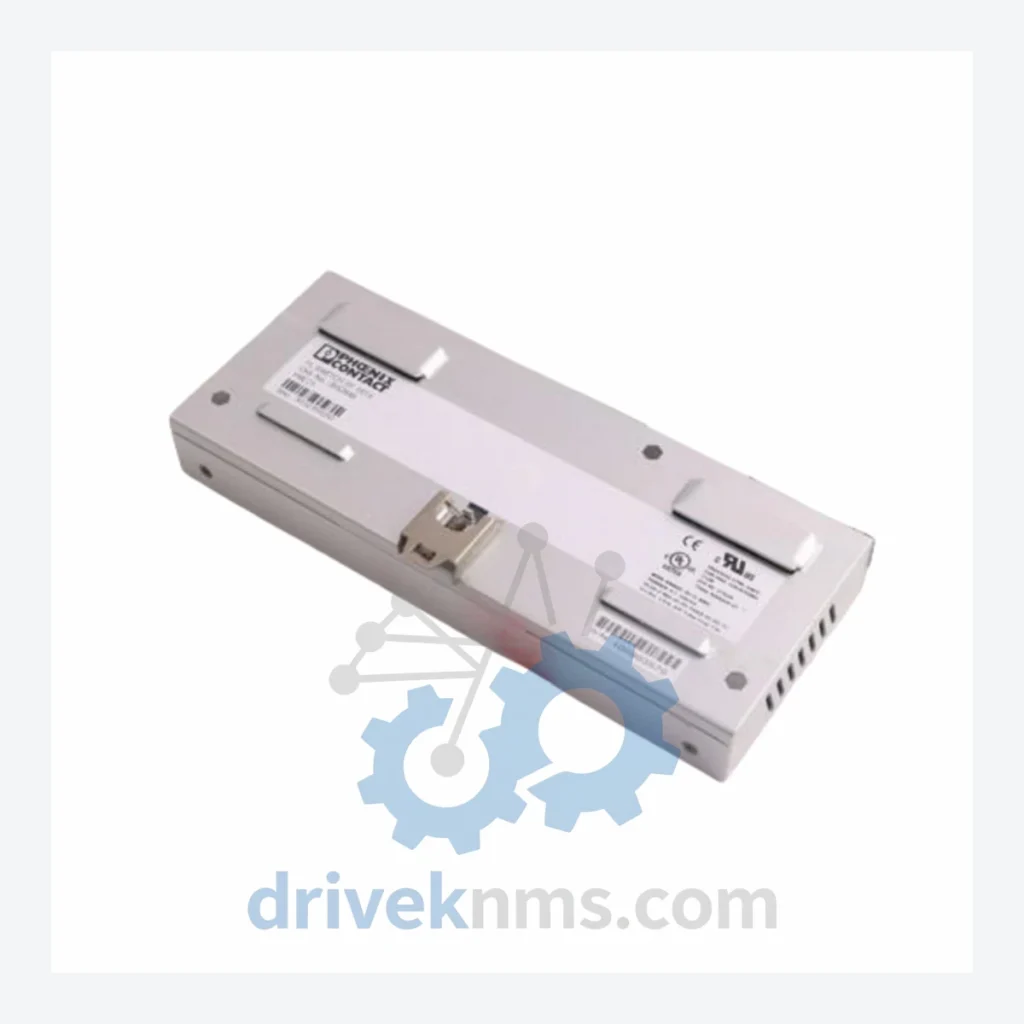
Product Overview
Commercial availability is handled through direct RFQ, model verification and export-oriented follow-up rather than public cart checkout.
Datasheet Preview
Use attached product manuals when available. If the manual is not public yet, request the full file directly through RFQ.
Commercial Path
Product pages on DRIVEKNMS are designed to verify model, brand and series first, then move the buyer into one clean quotation path.
Technical Dossier
DriveKNMS maintains a carefully sourced inventory of hard-to-find and discontinued industrial components. The OCX-CTN-85-R-D-ST-24V is one of those parts where availability cannot be assumed. If you are reading this, act on it.
RFQ support for obsolete parts: Send the model number, required quantity and destination so DriveKNMS can confirm sourcing options before quotation.
| Parameter | Detail |
|---|---|
| Manufacturer | Phoenix Digital |
| Part Number | OCX-CTN-85-R-D-ST-24V |
| Series | OCX (Optical Communications Transceiver) |
| Function | Fiber Optic Communication Module |
| Connector Type | ST (Straight Tip) fiber optic connector |
| Supply Voltage | 24V DC |
| Fiber Type | Multi-mode (85 designation) |
| Signal Direction | Duplex (R-D: Receive/Drive) |
| Discontinuation Status | Confirmed Discontinued – No longer manufactured |
| Country of Origin | United States |
| Typical System Compatibility | Phoenix Digital OCX fiber optic network systems; legacy DCS and SCADA fiber backbones operating at 24VDC |
Note: Electrical parameters listed above are based on published product series documentation. Parameters not confirmed by original datasheet are intentionally omitted. Do not substitute based on partial specification matches — verify compatibility with your system engineer before installation.
Phoenix Digital's OCX series was engineered for deterministic, noise-immune data transmission in electrically harsh industrial environments — a requirement that copper-based alternatives of the same era could not reliably meet. These modules became embedded in control architectures that were designed for 20–30 year operational lifespans. The problem is that Phoenix Digital's OCX product line has reached end-of-life, and the OEM no longer provides replacement units or repair services.
For plant managers operating DCS or SCADA systems built around Phoenix Digital fiber optic networks, the failure of a single OCX-CTN-85-R-D-ST-24V can isolate an entire communication segment. Depending on system topology, this may mean loss of visibility into a process unit, loss of control authority, or a forced shutdown. None of these outcomes are acceptable during production.
The standard response from system integrators — full network modernization — carries a price tag that most maintenance budgets cannot absorb in a single fiscal year. A targeted spare parts strategy, by contrast, allows operations to continue while a phased upgrade is planned and funded properly. One verified OCX-CTN-85-R-D-ST-24V in your maintenance stockroom buys time. Multiple units in reserve extend your system's viable service life by 5 to 10 years, depending on failure rates and operational load.
Sourcing discontinued components from the secondary market introduces legitimate concerns about component condition. DriveKNMS applies a structured 5-step inspection protocol to every OCX-CTN-85-R-D-ST-24V unit before it is offered for sale:
Units that do not pass all five steps are not listed for sale. Condition grade (New, Refurbished-Grade A, or Tested-Used) is disclosed at the time of quotation.
Q: Should I purchase more than one unit?
A: For any system where this module is a single point of failure, maintaining a minimum of two spare units is standard practice. Given that OCX-CTN-85-R-D-ST-24V availability on the open market is finite and declining, procurement of a multi-unit reserve now is a lower-risk position than sourcing under emergency conditions later.
Continue The Model Path
Move from this exact model into the matching system hub, brand archive, model-family archive or lifecycle sourcing route before sending a final RFQ list.
Related Paths
Phoenix Digital OCX-CTN-13-R-D-ST-ACV is listed for Servo Drives RFQ review. Confirm quantity, condition and destination before quotation.
Alstom MVAJ105RA0802A is listed for MiCOM Series RFQ review. Confirm quantity, condition and destination before quotation.
Moore 16137-174 is listed for Servo Drives RFQ review. Confirm quantity, condition and destination before quotation.