
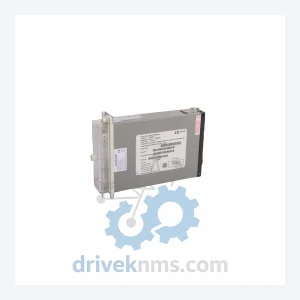
ALSTOM MVAJ105RA0802A Protection Relay – MiCOM Series
Alstom MVAJ105RA0802A is listed for MiCOM Series RFQ review. Confirm quantity, condition and destination before quotation.
RFQ-ready industrial model
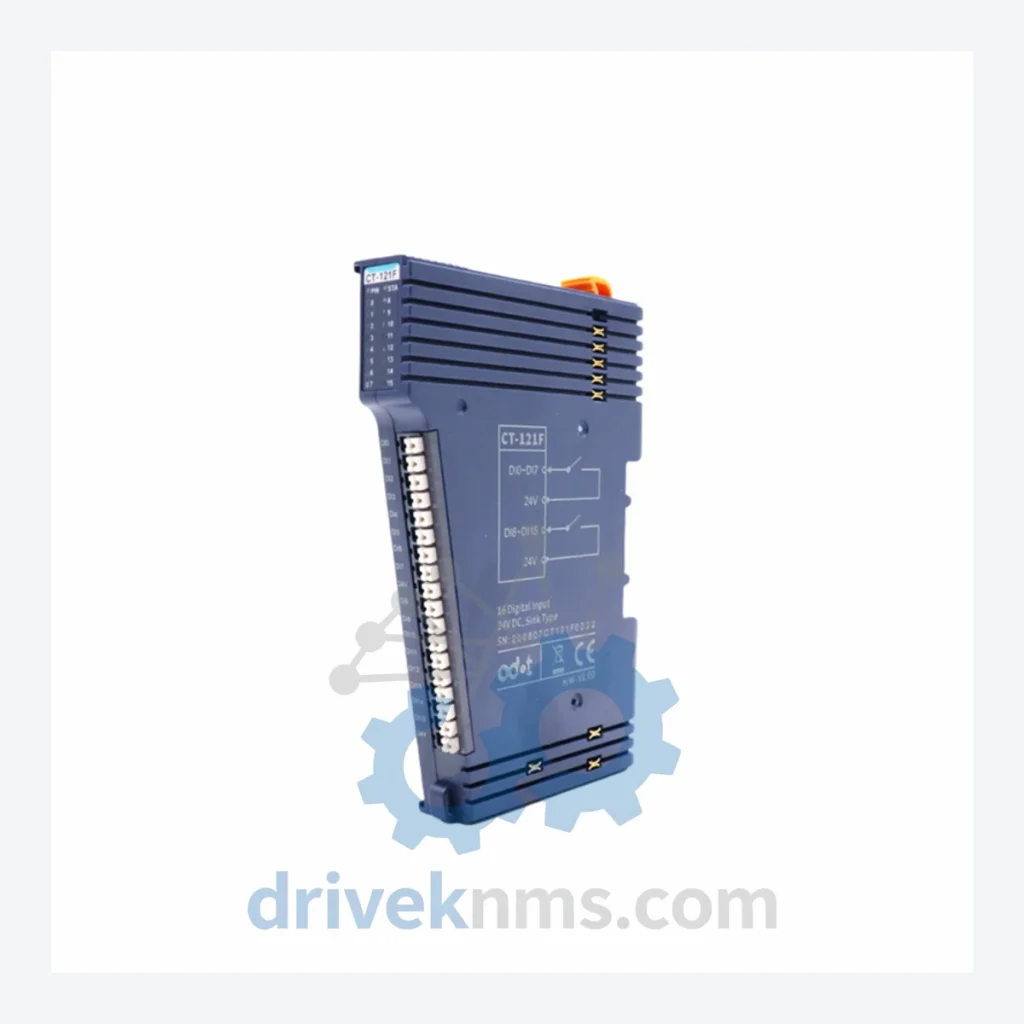
Model: CT-121F
Product Overview
Commercial availability is handled through direct RFQ, model verification and export-oriented follow-up rather than public cart checkout.
Datasheet Preview
Use attached product manuals when available. If the manual is not public yet, request the full file directly through RFQ.
Commercial Path
Product pages on DRIVEKNMS are designed to verify model, brand and series first, then move the buyer into one clean quotation path.
Technical Dossier
The ODOT CT Series is a family of distributed I/O expansion modules developed by Zhejiang ODOT Automation Technology Co., Ltd., a manufacturer specializing in industrial fieldbus and remote I/O solutions. CT Series modules are deployed across heavy industrial environments including petrochemical plants, refinery distributed control systems (DCS), power generation facilities, and large-scale process automation infrastructure. The series is designed for integration with mainstream fieldbus protocols including EtherNet/IP, PROFIBUS-DP, CANopen, DeviceNet, and Modbus TCP, enabling compatibility with control platforms from Siemens, Rockwell, Schneider, and ABB. The CT-121F specifically functions as a digital/analog I/O expansion node within a modular backplane architecture, extending the I/O capacity of a host controller without requiring additional network nodes.
The ODOT CT Series emerged as part of the broader industry shift from centralized PLC I/O racks toward distributed, fieldbus-native I/O architectures in the 2000s. Early CT modules operated primarily over RS-485 Modbus RTU backbones, with limited hot-swap capability and fixed I/O channel counts. As industrial Ethernet became the dominant plant-floor protocol in the 2010s, ODOT introduced EtherNet/IP and PROFINET-compatible coupler heads (the CN Series) that serve as the communication gateway for CT expansion modules. This coupler-plus-expansion architecture allows a single network node to aggregate up to 32 CT expansion modules, significantly reducing wiring complexity and network node count in large installations. Later CT module revisions introduced improved EMC shielding, extended operating temperature ranges (−25°C to +70°C), and DIN-rail snap-fit backplane connectors with tool-free replacement. Current CT Series modules are considered mature-stage products with stable firmware and long-term availability commitments from ODOT, making them a reliable choice for both new installations and legacy system expansions.
The following SKUs represent verified models within the ODOT CT Series. Modules are categorized by I/O function type:
Digital Input (DI) Modules
Digital Output (DO) Modules
Analog Input (AI) Modules
Analog Output (AO) Modules
Mixed / Specialty Modules
CT Series modules use a proprietary backplane bus connector system that requires specific test procedures distinct from standard I/O module bench testing. DriveKNMS applies the following verification protocol to all CT Series units prior to shipment: (1) Visual inspection of backplane connector pins for deformation, oxidation, or contamination. (2) Power-on self-test (POST) verification using a compatible ODOT CN Series coupler head to confirm module enumeration and firmware version readout. (3) Channel-level functional test: each DI channel is stimulated with a 24VDC signal and confirmed via coupler status register; each DO channel is activated and load-verified; AI channels are tested with calibrated 4–20mA loop calibrators; AO channels are verified against a precision multimeter. (4) Isolation resistance test between channel commons and backplane ground, minimum 10MΩ at 500VDC. (5) Final burn-in at 40°C for 4 hours under cyclic I/O load before packaging.
Continue The Model Path
Move from this exact model into the matching system hub, brand archive, model-family archive or lifecycle sourcing route before sending a final RFQ list.
Related Paths
Alstom MVAJ105RA0802A is listed for MiCOM Series RFQ review. Confirm quantity, condition and destination before quotation.
Moore 16137-174 is listed for Servo Drives RFQ review. Confirm quantity, condition and destination before quotation.
Fuji Electric EP-3364B-CA-Z2 is listed for FRENIC Series RFQ review. Confirm quantity, condition and destination before quotation.