
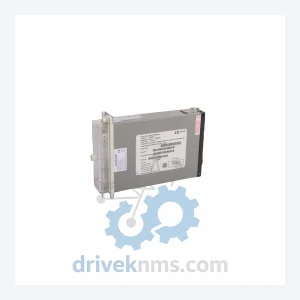
ALSTOM MVAJ105RA0802A Protection Relay – MiCOM Series
Alstom MVAJ105RA0802A is listed for MiCOM Series RFQ review. Confirm quantity, condition and destination before quotation.
RFQ-ready industrial model
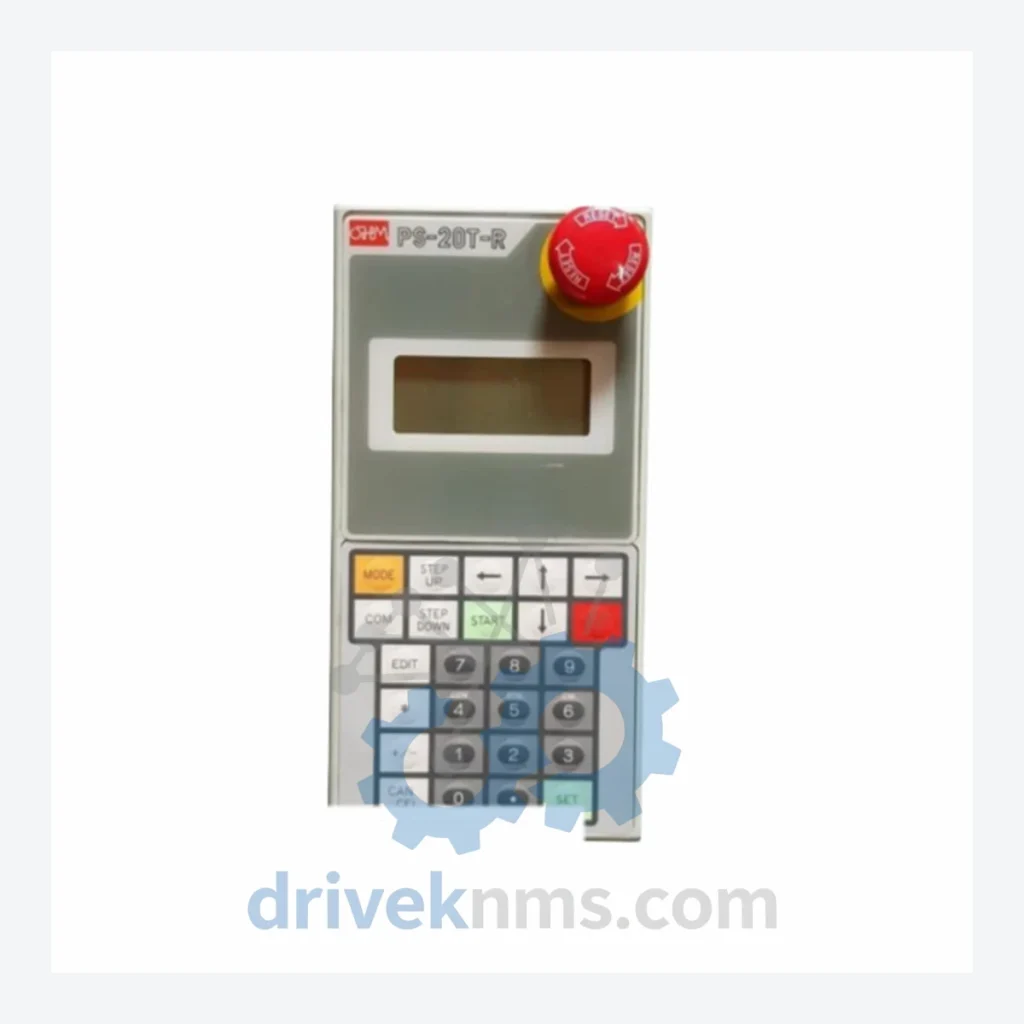
Model: PS-20T-R
Product Overview
Commercial availability is handled through direct RFQ, model verification and export-oriented follow-up rather than public cart checkout.
Datasheet Preview
Use attached product manuals when available. If the manual is not public yet, request the full file directly through RFQ.
Commercial Path
Product pages on DRIVEKNMS are designed to verify model, brand and series first, then move the buyer into one clean quotation path.
Technical Dossier
RFQ support for obsolete parts: Send the model number, required quantity and destination so DriveKNMS can confirm sourcing options before quotation.
Note: Specific electrical parameters (voltage ratings, communication protocol version, memory capacity) are confirmed individually at time of inquiry to ensure accuracy. We do not publish unverified specifications.
The OHM PS-20T-R was designed as the dedicated programming interface for OHM's PS-series programmable controllers — compact, reliable units that were widely deployed in light manufacturing, building automation, and process control applications across East Asia and beyond. These systems were engineered for 20-plus years of service life, and many are still running exactly as intended.
The problem is not the hardware. The problem is the supply chain. OHM discontinued the PS-20T-R along with the broader PS-series programming tools, leaving facilities with no OEM path to replacement units. When a programming unit fails — whether from connector wear, internal component degradation, or physical damage — the inability to reprogram or troubleshoot the connected PLC effectively renders the entire controller unusable.
For plant managers operating under capital expenditure constraints, the calculus is straightforward: a verified PS-20T-R spare purchased today costs a fraction of the engineering hours required to migrate an entire control system to a modern platform. Migration projects for even a single production cell routinely involve PLC hardware replacement, I/O rewiring, software redevelopment, operator retraining, and production validation — a process measured in weeks and budgeted in six figures. A spare programming unit extends the operational life of the existing asset by years, at a cost that requires no capital approval process.
Obsolete parts sourced from the secondary market carry inherent risk if not properly evaluated. Our 5-step QA process addresses the failure modes most common in aged electronic assemblies:
For plant engineering and operations management teams facing pressure to retire aging control systems, the following framework provides a structured, low-capital approach to extending asset life without compromising production reliability.
1. Conduct a Critical Spare Audit. Identify every component in your legacy control architecture that is either discontinued or at risk of discontinuation. Prioritize by failure impact: components whose failure halts production entirely rank highest. The PS-20T-R, as the sole programming interface for its associated PLC, is a Tier 1 critical spare.
3. Document Firmware and Configuration State. Before any maintenance event, ensure the current PLC program and configuration are backed up to an external medium. A programming unit is only useful if the program it needs to load is accessible. This step costs nothing and eliminates the most common recovery failure mode.
5. Set a Structured Review Cycle. Reassess the obsolescence risk profile of your control architecture every 18–24 months. Component availability in the secondary market diminishes over time. Units that are available today at reasonable cost may be unavailable or priced at a significant premium in three years. Procurement decisions made proactively are consistently less expensive than those made under emergency conditions.
This framework does not require a capital project. It requires a maintenance budget line and a procurement contact. The result is a control system that continues to operate reliably for 5–10 additional years beyond its original expected retirement date.
Q: How are RFQ terms confirmed?
A: Quantity, required condition, documentation needs, destination and sourcing route are confirmed during RFQ review before quotation.
Continue The Model Path
Move from this exact model into the matching system hub, brand archive, model-family archive or lifecycle sourcing route before sending a final RFQ list.
Related Paths
Alstom MVAJ105RA0802A is listed for MiCOM Series RFQ review. Confirm quantity, condition and destination before quotation.
Moore 16137-174 is listed for Servo Drives RFQ review. Confirm quantity, condition and destination before quotation.
Fuji Electric EP-3364B-CA-Z2 is listed for FRENIC Series RFQ review. Confirm quantity, condition and destination before quotation.