
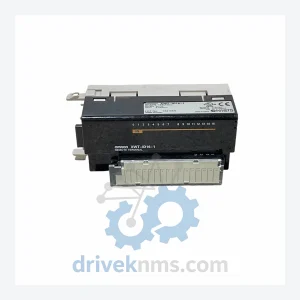
Omron XWT-ID16
Omron XWT-ID16 is listed for Servo Drives RFQ review. Confirm quantity, condition and destination before quotation.
RFQ-ready industrial model
Model: CP1H-X40DR-A
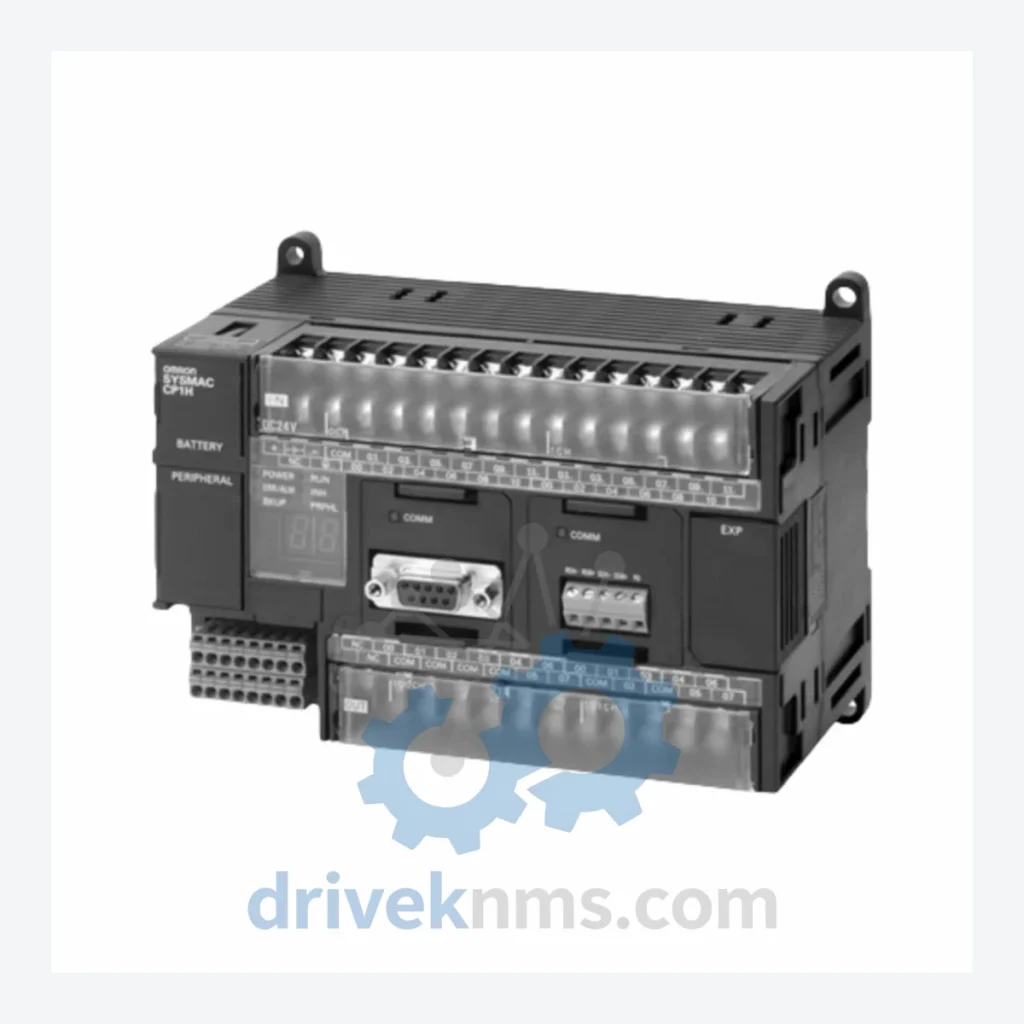
Product Overview
Commercial availability is handled through direct RFQ, model verification and export-oriented follow-up rather than public cart checkout.
Datasheet Preview
Use attached product manuals when available. If the manual is not public yet, request the full file directly through RFQ.
Commercial Path
Product pages on DRIVEKNMS are designed to verify model, brand and series first, then move the buyer into one clean quotation path.
Technical Dossier
The CP1H was launched by OMRON in the mid-2000s as a direct response to demand for a compact PLC with high-speed pulse control and analog integration. It was built on the same instruction set as the CS/CJ series, enabling code portability across OMRON's mid-range and high-end platforms.
Early Generation (2005–2010): Initial CP1H units featured the X-type (40-point relay/transistor) and Y-type (100-point) CPU configurations. These units established the platform's reputation for reliable pulse output control in motion-adjacent applications such as servo positioning without a dedicated motion controller.
Mid-Generation (2010–2016): OMRON expanded the CP1H ecosystem with enhanced analog option boards (CP1W-MAD11, CP1W-MAD42) and serial communication boards (CP1W-CIF01, CP1W-CIF11), enabling integration into legacy RS-232C and RS-422/485 networks common in older plant infrastructure.
Mature/Maintenance Phase (2016–Present): The CP1H series has entered its mature lifecycle phase. OMRON continues to manufacture and support the line, but new installations increasingly favor the CP2E and NX1P2 platforms. For existing CP1H installations, the primary market activity is now spare parts procurement, repair, and lifecycle extension — not new deployment. This makes verified surplus and refurbished CP1H units a strategically important supply category.
Compatibility note: CP1H CPUs are not directly interchangeable with CJ1/CJ2 CPUs despite sharing instruction sets. Expansion I/O units (CP1W series) are CP1H-specific and are not compatible with CS/CJ backplane racks.
CPU Units — X-Type (40 I/O, Relay/Transistor Output)
CPU Units — Y-Type (100 I/O, High-Density)
CPU Units — XA-Type (40 I/O + Built-in Analog)
Expansion I/O Units (CP1W Series)
Analog & Communication Option Boards
Specific procurement support includes: discontinued CP1W option boards, legacy CPU units with older firmware revisions required for compatibility with existing programs, and matched sets of CPU + expansion units for direct swap-in replacement without reprogramming.
CP1H units undergo a structured inspection and functional verification protocol at DriveKNMS prior to dispatch. The process addresses the specific failure modes documented in this platform's field history.
Inspection steps include: visual examination of the CPU front panel, terminal blocks, and option board slots for physical damage or corrosion; power-on verification confirming correct LED status indication (PWR, RUN, ERR/ALM, INH); USB and RS-232C port continuity testing; I/O point functional scan using a dedicated test harness covering all 24 input and 16 output channels on X40-type units; and where applicable, analog I/O calibration verification against factory tolerance specifications (±0.3% full scale for voltage, ±0.5% for current).
Units with option boards installed are tested with boards seated to verify backplane communication integrity. Any unit exhibiting ERR/ALM LED activation during power-on is quarantined for fault code extraction via CX-Programmer before disposition decision.
Continue The Model Path
Move from this exact model into the matching system hub, brand archive, model-family archive or lifecycle sourcing route before sending a final RFQ list.
Related Paths
Omron XWT-ID16 is listed for Servo Drives RFQ review. Confirm quantity, condition and destination before quotation.
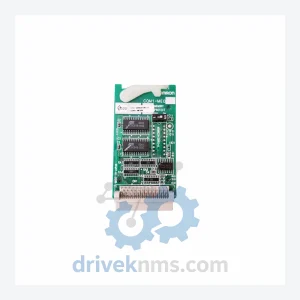
Omron CQM1-ME04K CQM1-ME08K is listed for CQM1 Series RFQ review. Confirm quantity, condition and destination before quotation.
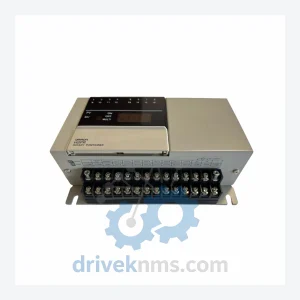
Omron H8PR-16 is listed for Servo Drives RFQ review. Confirm quantity, condition and destination before quotation.