
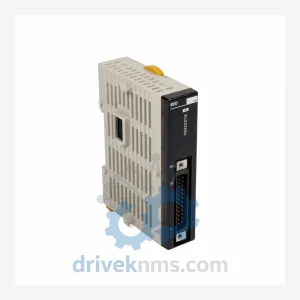
OMRON CPM2C-8EDM CPU Unit – Obsolete CPM2C Series Spare Part
OMRON CPM2C-8EDM CPU Unit – Obsolete CPM2C Series Spare Part When an OMRON CPM2C-8EDM CPU unit fails on the production…
Model: SRT2-MD16T-1
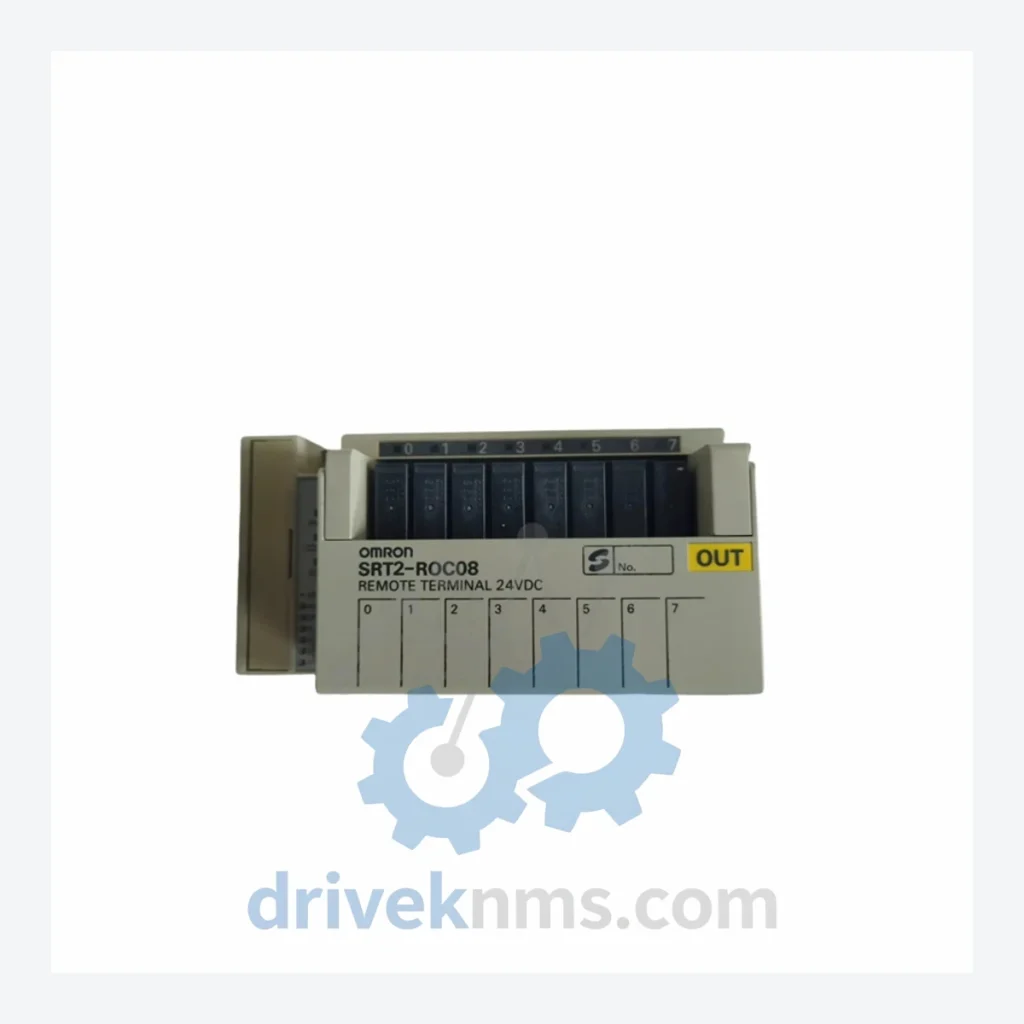
Product Overview
Commercial availability is handled through direct RFQ, model verification and export-oriented follow-up rather than public cart checkout.
Datasheet Preview
Use attached product manuals when available. If the manual is not public yet, request the full file directly through RFQ.
Commercial Path
Product pages on DRIVEKNMS are designed to verify model, brand and series first, then move the buyer into one clean quotation path.
Technical Dossier
The OMRON SRT2 series, operating under the CompoBus/S (also known as DeviceNet-compatible remote I/O) protocol, represents one of OMRON's most widely deployed distributed I/O platforms in global heavy industry. Installed across petrochemical refineries, nuclear auxiliary systems, chemical processing plants, and continuous manufacturing lines, the SRT2 series functions as a remote slave unit within OMRON's CS/CJ/CV-series PLC architectures. Its compact DIN-rail form factor, deterministic scan cycle, and robust noise immunity made it a standard specification in plant automation projects throughout the 1990s and 2000s. Today, the SRT2 series is in the mature-to-end-of-life phase, with many models discontinued by OMRON. Long-term maintenance support for installed base systems is the primary sourcing driver.
The SRT2 series was introduced as a successor to the SRT1 platform, addressing limitations in I/O point density and communication reliability. Early SRT1 units supported only 8-point I/O blocks with limited noise rejection on long cable runs. The SRT2 generation introduced 16-point and mixed I/O configurations, improved terminal block designs, and enhanced CompoBus/S compliance at baud rates up to 750 kbps over distances up to 200 meters (in high-speed mode) or 500 meters (in long-distance mode).
Architecturally, SRT2 units are passive slaves — they carry no onboard CPU and rely entirely on the master unit (typically a CS1W-SRM21 or CJ1W-SRM21 CompoBus/S master) for scan cycle management. This design simplifies replacement logistics: any SRT2 slave can be swapped without software reconfiguration, provided the node address DIP switch settings are preserved. Compatibility with OMRON's CX-Programmer and CX-Integrator toolchains remains intact for diagnostic purposes, though firmware updates are not applicable to these passive units.
As OMRON transitioned its remote I/O strategy toward EtherNet/IP and EtherCAT platforms (GRT1, NX-series), the SRT2 series entered a formal end-of-life trajectory. Replacement migration paths include the OMRON GRT1 series (CompoNet) and NX-ECC series (EtherCAT coupler), though these require master unit replacement and network reconfiguration — making in-kind SRT2 spare parts the preferred solution for brownfield maintenance.
The following SKUs represent the verified SRT2 series module range, classified by function. Each model is a discrete remote I/O slave unit for CompoBus/S networks.
Output Modules (Transistor)
Input Modules (DC)
Mixed I/O Modules
Relay Output Modules
Analog Modules
Special Function / Communication
The SRT2 series has been formally discontinued by OMRON across most regional markets. Standard distribution channels no longer carry new stock for the majority of SRT2 models, including the SRT2-MD16T-1. DriveKNMS maintains a dedicated inventory of SRT2 series units sourced through verified industrial surplus channels, decommissioned plant equipment, and authorized secondary market suppliers.
For end-users operating legacy CompoBus/S networks, DriveKNMS provides: direct replacement units (tested, with traceability documentation), exchange programs for core return, and long-lead procurement for low-volume models. All units are supplied with a functional test report. Minimum order quantities are not imposed for SRT2 spare parts — single-unit orders are accepted to support emergency maintenance scenarios.
SRT2 modules present specific test challenges due to their passive slave architecture and CompoBus/S bus dependency. DriveKNMS applies the following test protocol to all SRT2 units prior to dispatch:
Related Paths
OMRON CPM2C-8EDM CPU Unit – Obsolete CPM2C Series Spare Part When an OMRON CPM2C-8EDM CPU unit fails on the production…
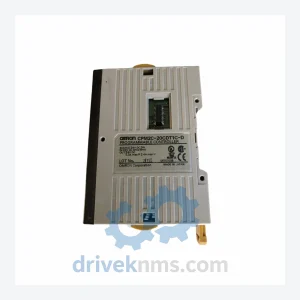
OMRON CPM2C-20CDT1C-D: Sourcing Strategy & Asset Return Value in a Constrained Global Supply Chain The OMRON CPM2C-20CDT1C-D is a compact,…
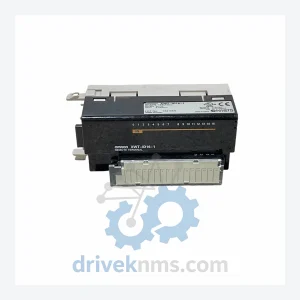
OMRON XWT Series: Comprehensive Module Range and Technical Overview The OMRON XWT Series represents OMRON's dedicated line of DeviceNet-compatible remote…