
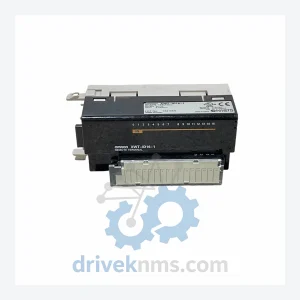
Omron XWT-ID16
Omron XWT-ID16 is listed for Servo Drives RFQ review. Confirm quantity, condition and destination before quotation.
RFQ-ready industrial model
Model: SRT2-VOD16ML-1
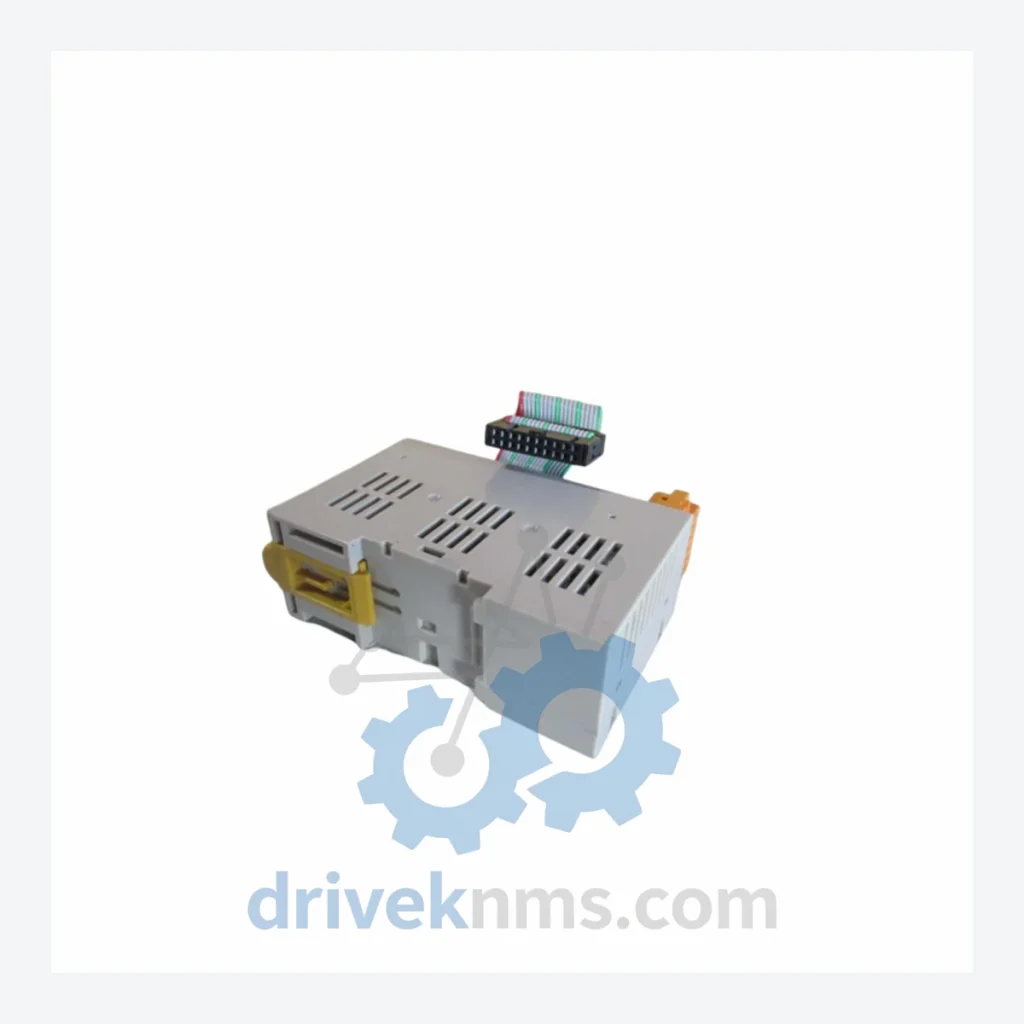
Product Overview
Commercial availability is handled through direct RFQ, model verification and export-oriented follow-up rather than public cart checkout.
Datasheet Preview
Use attached product manuals when available. If the manual is not public yet, request the full file directly through RFQ.
Commercial Path
Product pages on DRIVEKNMS are designed to verify model, brand and series first, then move the buyer into one clean quotation path.
Technical Dossier
The OMRON SRT2 series is a compact, high-density remote I/O slave unit family designed for the CompoBus/S (also known as CompoNet predecessor) fieldbus network. Deployed extensively across global heavy industry — including petrochemical plants, nuclear facility auxiliary systems, refinery distributed control architectures, and automotive assembly lines — the SRT2 series established OMRON's position as a dominant supplier of distributed I/O in Asia-Pacific and European process automation markets throughout the 1990s and 2000s. Its terminal-block form factor, DIN-rail mounting, and deterministic cycle time made it a preferred choice for machine builders requiring reliable, high-node-count I/O expansion without the overhead of full PLC backplane systems.
The SRT2 series was introduced as a successor to the SRT1 slave units, addressing limitations in node density and wiring flexibility. Early SRT1 units required dedicated cabling and offered limited I/O point counts per node. The SRT2 generation introduced terminal-block connectivity (ML-1 suffix variants), enabling direct field wiring without intermediate terminal strips — a significant reduction in panel wiring labor. The series operates on the CompoBus/S protocol, a OMRON-proprietary high-speed serial bus capable of connecting up to 32 slave nodes with a maximum of 256 I/O points at cycle times as low as 0.5 ms.
As industrial networks migrated toward open standards (DeviceNet, EtherNet/IP, PROFIBUS), the SRT2 series entered a maintenance phase. OMRON officially transitioned customers toward the GRT1 (CompoNet) and NX-series I/O platforms. However, the installed base of SRT2 units in legacy systems remains substantial, and replacement demand for end-of-life units continues across MRO (Maintenance, Repair & Operations) channels. Compatibility between SRT2 slaves and CS/CJ-series PLC masters via SRM1 or C200HW-SRM21-V1 master units remains fully supported at the protocol level.
The following SKUs represent the verified SRT2 series module range, classified by function. Each unit is a CompoBus/S slave device.
Digital Output Modules (Transistor)
SRT2-VOD16ML-1: 16-pt NPN transistor output, terminal block, 24 VDC, CompoBus/S slave
SRT2-VOD08ML-1: 8-pt NPN transistor output, terminal block, 24 VDC, CompoBus/S slave
SRT2-VOD16A: 16-pt NPN transistor output, connector type, 24 VDC, CompoBus/S slave
SRT2-VOD08A: 8-pt NPN transistor output, connector type, 24 VDC, CompoBus/S slave
SRT2-VOD16PML-1: 16-pt PNP transistor output, terminal block, 24 VDC, CompoBus/S slave
SRT2-VOD08PML-1: 8-pt PNP transistor output, terminal block, 24 VDC, CompoBus/S slave
Digital Input Modules
SRT2-VID16ML-1: 16-pt DC input, terminal block, 24 VDC, CompoBus/S slave
SRT2-VID08ML-1: 8-pt DC input, terminal block, 24 VDC, CompoBus/S slave
SRT2-VID16A: 16-pt DC input, connector type, 24 VDC, CompoBus/S slave
SRT2-VID08A: 8-pt DC input, connector type, 24 VDC, CompoBus/S slave
Mixed I/O Modules
SRT2-MD16ML-1: 8-pt input / 8-pt NPN output, terminal block, 24 VDC, CompoBus/S slave
SRT2-MD08ML-1: 4-pt input / 4-pt NPN output, terminal block, 24 VDC, CompoBus/S slave
SRT2-MD16A: 8-pt input / 8-pt NPN output, connector type, 24 VDC, CompoBus/S slave
Relay Output Modules
SRT2-ROC08ML-1: 8-pt relay output, terminal block, 250 VAC / 24 VDC, CompoBus/S slave
SRT2-ROC16ML-1: 16-pt relay output, terminal block, 250 VAC / 24 VDC, CompoBus/S slave
Analog Modules
SRT2-AD04: 4-ch analog input, 0–10 V / 4–20 mA selectable, CompoBus/S slave
SRT2-DA02: 2-ch analog output, 0–10 V / 4–20 mA selectable, CompoBus/S slave
SRT2 modules present specific test challenges due to their integrated terminal block assemblies and CompoBus/S ASIC-based communication logic. DriveKNMS applies the following verification protocol to all SRT2 units prior to dispatch:
1. Visual inspection: terminal block integrity, PCB corrosion, capacitor condition, connector pin alignment.
2. Power-on test: 24 VDC supply applied, LED status indicators verified against OMRON factory specification.
3. Functional I/O test: each output channel individually energized and confirmed via load simulation; each input channel verified with signal injection.
4. CompoBus/S communication test: unit connected to a live SRM1 master network, node address assigned, cyclic data exchange confirmed at rated cycle time.
5. Burn-in: 4-hour continuous operation under load prior to packaging.
Continue The Model Path
Move from this exact model into the matching system hub, brand archive, model-family archive or lifecycle sourcing route before sending a final RFQ list.
Related Paths
Omron XWT-ID16 is listed for Servo Drives RFQ review. Confirm quantity, condition and destination before quotation.
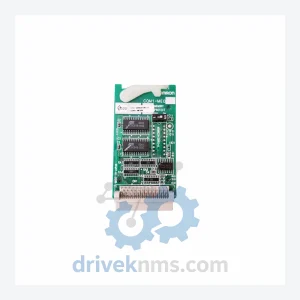
Omron CQM1-ME04K CQM1-ME08K is listed for CQM1 Series RFQ review. Confirm quantity, condition and destination before quotation.
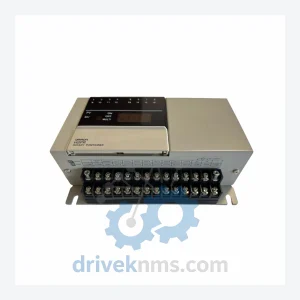
Omron H8PR-16 is listed for Servo Drives RFQ review. Confirm quantity, condition and destination before quotation.