
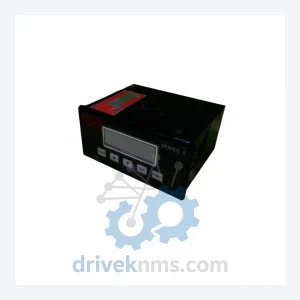
Panametrics MTS5-331-10 Moisture Analyzer – Obsolete Moisture Measurement Spare Part
Panametrics MTS5-331-10 is listed for Monitoring Systems RFQ review. Confirm quantity, condition and destination before quotation.
RFQ-ready industrial model
Model: XMTC-62-21
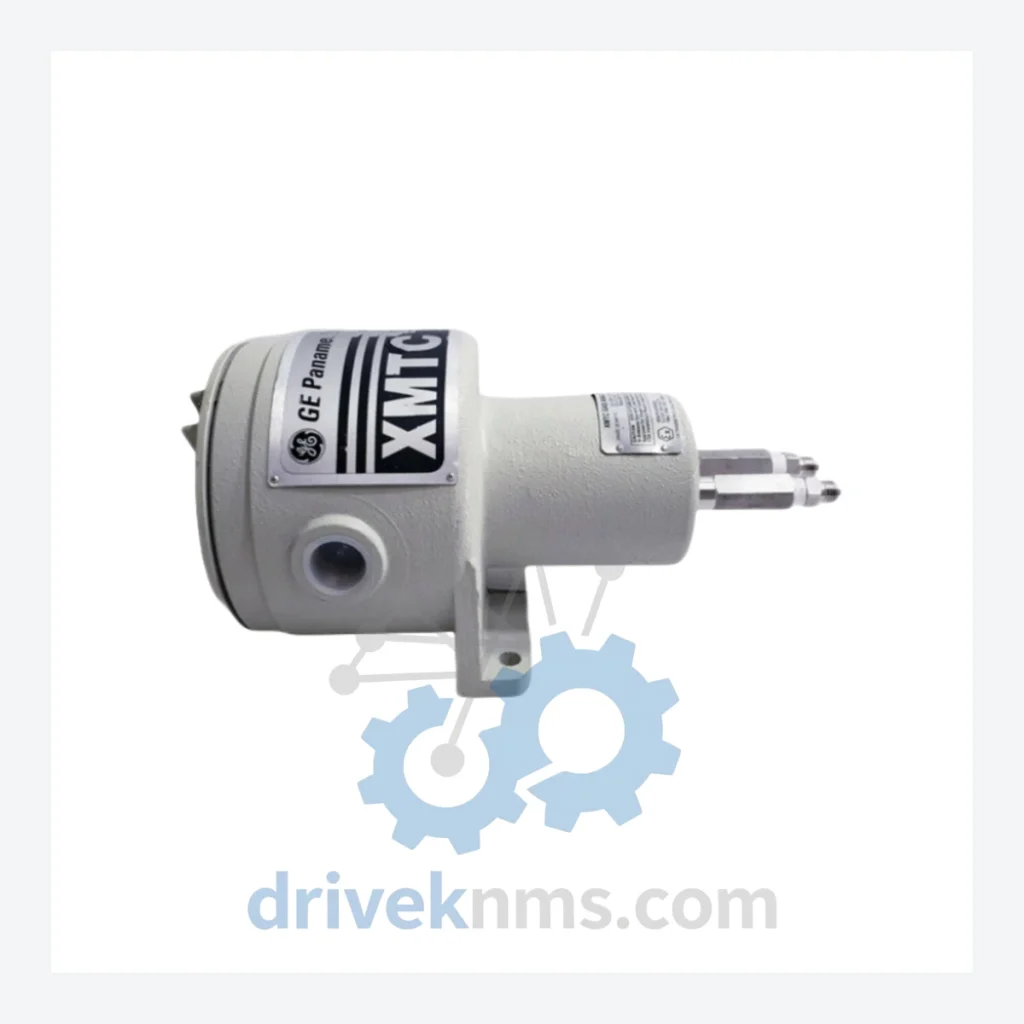
Product Overview
Commercial availability is handled through direct RFQ, model verification and export-oriented follow-up rather than public cart checkout.
Datasheet Preview
Use attached product manuals when available. If the manual is not public yet, request the full file directly through RFQ.
Commercial Path
Product pages on DRIVEKNMS are designed to verify model, brand and series first, then move the buyer into one clean quotation path.
Technical Dossier
The Panametrics XMTC series represents one of the most widely deployed families of conductivity and concentration transmitters in global heavy industry. Installed across chemical processing plants, nuclear power facilities, pharmaceutical manufacturing lines, and petroleum refineries, the XMTC platform has served as a critical measurement node in process control loops for decades. Its two-wire and four-wire configurations, combined with broad chemical compatibility, made it the instrument of choice for engineers specifying continuous liquid analysis in corrosive or high-purity environments. The installed base of XMTC transmitters remains substantial, and the demand for replacement units and spare modules continues to reflect the long operational cycles typical of capital-intensive industrial assets.
The XMTC series was developed by Panametrics (subsequently acquired by GE Sensing, and later integrated into Baker Hughes' Waygate Technologies portfolio) as a dedicated platform for toroidal and contacting conductivity measurement. Early XMTC variants were designed around analog 4–20 mA output loops, providing direct compatibility with the distributed control systems (DCS) and programmable logic controllers (PLC) prevalent in the 1980s and 1990s, including Honeywell TDC 3000, Foxboro I/A Series, and Bailey INFI 90 installations.
Subsequent generations introduced HART protocol overlay on the 4–20 mA signal, enabling digital communication for remote configuration and diagnostics without rewiring. This architectural shift extended the useful life of XMTC transmitters within modernizing plants that retained legacy field wiring infrastructure. The XMTC-62 sub-series specifically addressed high-conductivity measurement ranges, making it applicable to concentrated acid, caustic, and brine process streams.
The following SKUs represent confirmed models within the Panametrics XMTC series. Each unit is listed with its primary functional designation:
XMTC-62-21: 2-wire toroidal conductivity transmitter, 4–20 mA output, standard range
XMTC-62-22: 2-wire toroidal conductivity transmitter, extended high-conductivity range
XMTC-62-23: 2-wire toroidal conductivity transmitter, HART-enabled, standard range
XMTC-62-24: 2-wire toroidal conductivity transmitter, HART-enabled, extended range
XMTC-62-31: 4-wire toroidal conductivity transmitter, dual output, standard range
XMTC-62-32: 4-wire toroidal conductivity transmitter, dual output, high-conductivity range
XMTC-62-33: 4-wire toroidal conductivity transmitter, HART, dual output
XMTC-87-21: 2-wire contacting conductivity transmitter, low-conductivity measurement
XMTC-87-22: 2-wire contacting conductivity transmitter, ultra-pure water range
XMTC-87-23: 2-wire contacting conductivity transmitter, HART, pure water applications
XMTC-87-31: 4-wire contacting conductivity transmitter, laboratory-grade accuracy
XMTC-87-32: 4-wire contacting conductivity transmitter, high-purity process streams
XMTC-87-33: 4-wire contacting conductivity transmitter, HART, dual output
XMTC-62-11: Panel-mount toroidal conductivity transmitter, local display, 4–20 mA
XMTC-87-11: Panel-mount contacting conductivity transmitter, local display, 4–20 mA
XMTC-62-41: DIN-rail mount toroidal conductivity transmitter, isolated output
XMTC-87-41: DIN-rail mount contacting conductivity transmitter, isolated output
Note: Availability of individual SKUs varies. Contact DriveKNMS with your specific model number for current sourcing status.
Conductivity transmitters present specific failure modes that require targeted inspection protocols. The XMTC series, given its age profile in the field, is subject to the following documented degradation mechanisms:
Toroidal coil insulation degradation: Assessed via insulation resistance measurement at rated voltage. Units with insulation resistance below specification are rejected.
Electrolytic capacitor aging: Internal capacitors in analog signal conditioning circuits are inspected for ESR (equivalent series resistance) drift and physical signs of electrolyte leakage. Aged capacitors are replaced before unit release.
Display and keypad functionality: All user interface elements are exercised through full menu traversal. Segment failures or unresponsive keys result in component-level repair or unit rejection.
Output signal accuracy verification: Each unit is bench-tested against a calibrated conductivity standard. The 4–20 mA output is verified at a minimum of three points across the measurement range.
Housing and connector integrity: Terminal blocks, cable glands, and enclosure seals are inspected for corrosion, mechanical damage, and IP rating integrity. Corroded terminals are replaced.
Units that pass all five stages are classified as Tested Functional. Units requiring component-level intervention are classified as Refurbished and documented accordingly. Condition classification is disclosed in full at point of sale.
Continue The Model Path
Move from this exact model into the matching system hub, brand archive, model-family archive or lifecycle sourcing route before sending a final RFQ list.
Related Paths
Panametrics MTS5-331-10 is listed for Monitoring Systems RFQ review. Confirm quantity, condition and destination before quotation.
Alstom MVAJ105RA0802A is listed for MiCOM Series RFQ review. Confirm quantity, condition and destination before quotation.
Moore 16137-174 is listed for Servo Drives RFQ review. Confirm quantity, condition and destination before quotation.