
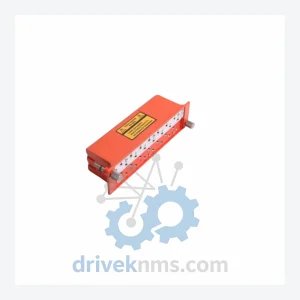
Panasonic 581B740C Circuit Board – Obsolete MINAS Series Spare Part
Panasonic 581B740C is listed for MINAS Series RFQ review. Confirm quantity, condition and destination before quotation.
RFQ-ready industrial model
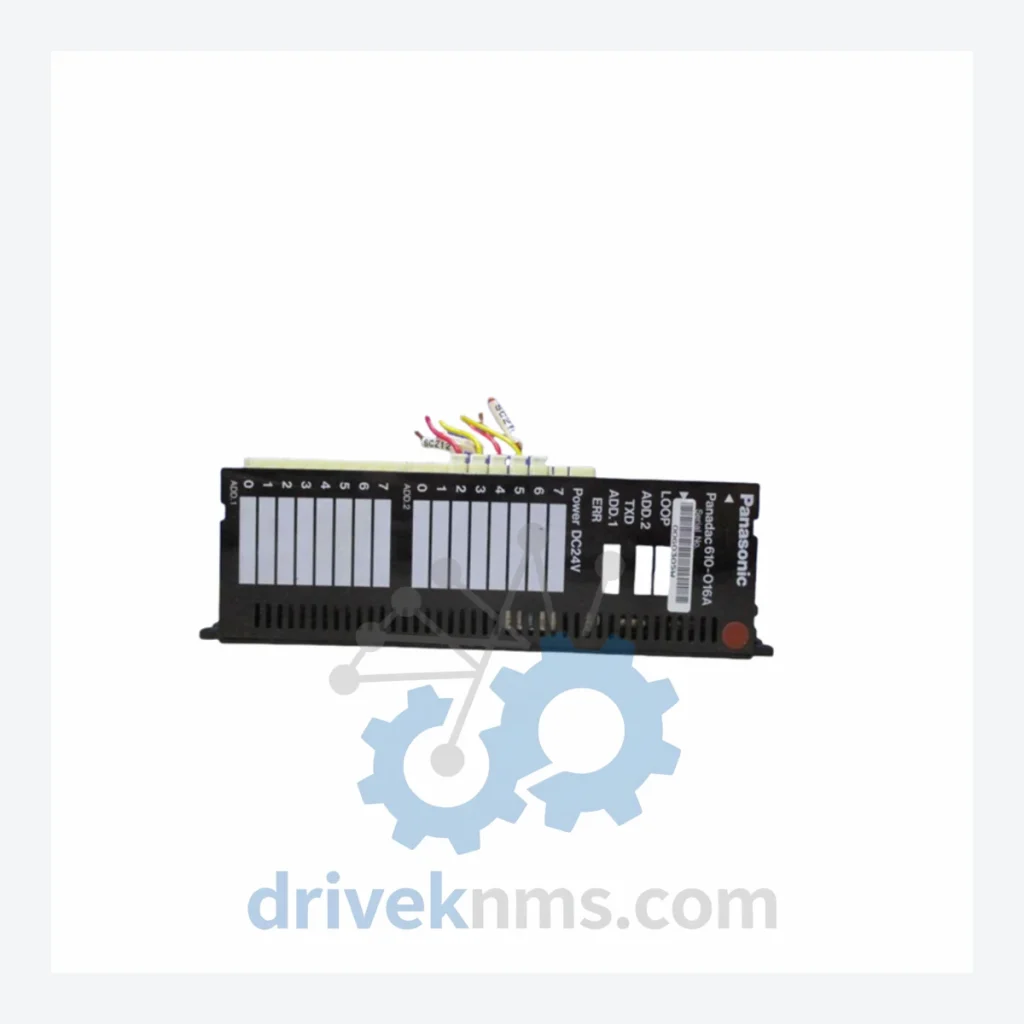
Model: Panadac610-O16A
Product Overview
Commercial availability is handled through direct RFQ, model verification and export-oriented follow-up rather than public cart checkout.
Datasheet Preview
Use attached product manuals when available. If the manual is not public yet, request the full file directly through RFQ.
Commercial Path
Product pages on DRIVEKNMS are designed to verify model, brand and series first, then move the buyer into one clean quotation path.
Technical Dossier
RFQ support for obsolete parts: Send the model number, required quantity and destination so DriveKNMS can confirm sourcing options before quotation.
| Attribute | Detail |
|---|---|
| Manufacturer | Panasonic |
| Part Number | Panadac610-O16A |
| Series | PANADAC 610 |
| Module Type | Optical Input/Output (I/O) Unit |
| I/O Points | 16 Output Points (Optical Isolated) |
| Interface | Optical fiber / photocoupler isolated |
| Country of Origin | Japan |
| Discontinuation Status | Discontinued – No longer manufactured by Panasonic |
| Compatibility | Panasonic PANADAC 610 series PLC/control systems |
Note: Electrical parameters not confirmed from official documentation are intentionally omitted. All specifications are verified against available technical references only.
The PANADAC 610 series was a widely deployed Panasonic programmable controller platform used across manufacturing, assembly, and process automation facilities throughout Asia and beyond. Like many control systems of its generation, it was engineered for long service life — and many installations remain operational today, years after Panasonic ceased production of replacement modules.
The Panadac610-O16A optical I/O unit occupies a specific and non-interchangeable role within this architecture. Its optically isolated output design was selected precisely to protect sensitive control circuitry from field-side electrical noise — a requirement that does not disappear when the module is discontinued. There is no generic substitute that slots into the same backplane position and communicates with the same protocol without engineering intervention.
DriveKNMS applies a structured 5-step inspection protocol to all obsolete I/O modules before they are offered for sale. This process is designed specifically for the failure modes common to legacy hardware that has been in storage or removed from service.
Step 1 – Electrolytic Capacitor Assessment: Capacitor aging is the leading cause of latent failure in legacy I/O modules. Each unit is inspected for signs of electrolyte leakage, case deformation, and ESR degradation. Modules with suspect capacitors are either reconditioned by qualified technicians or removed from inventory.
Step 2 – Firmware Version Verification: Where applicable, firmware revision is confirmed and documented. Mismatched firmware versions between replacement modules and existing system configurations are a known source of integration failures.
Step 3 – Pin and Connector Inspection: All edge connectors and backplane pins are examined under magnification for oxidation, corrosion, and mechanical deformation. Contact surfaces are cleaned to restore reliable electrical connection.
Step 4 – Optical Isolation Integrity Check: The photocoupler isolation barrier is functionally verified. Degraded optical isolation is a safety-critical failure mode in this module type and is treated as a disqualifying defect.
Step 5 – Functional Power-On Test: Where test fixtures are available for the PANADAC 610 platform, modules undergo a powered functional verification prior to packaging.
The Panadac610-O16A is a direct drop-in replacement for the original module position within PANADAC 610 system racks. No hardware modifications to the backplane or adjacent modules are required. No firmware reprogramming of the host controller is necessary under standard replacement conditions. The module restores system function without triggering the engineering change order process that a platform migration would require.
This matters operationally. An engineering change order for a platform migration involves documentation, validation, regulatory review in some industries, and production qualification runs. A like-for-like module replacement, by contrast, is a maintenance event. The distinction in cost, time, and organizational disruption is substantial. Maintaining the existing PANADAC 610 architecture with verified spare modules is not a compromise — it is a deliberate asset protection strategy.
Can this module be used in a different Panasonic PLC series?
The Panadac610-O16A is designed for the PANADAC 610 series architecture. Compatibility with other Panasonic PLC families has not been verified and should not be assumed without engineering review.
Continue The Model Path
Move from this exact model into the matching system hub, brand archive, model-family archive or lifecycle sourcing route before sending a final RFQ list.
Related Paths
Panasonic 581B740C is listed for MINAS Series RFQ review. Confirm quantity, condition and destination before quotation.
Panasonic DV80X180MB5 is listed for MINAS Series RFQ review. Confirm quantity, condition and destination before quotation.
Panasonic MDDDT3530 is listed for MINAS A Series RFQ review. Confirm quantity, condition and destination before quotation.