
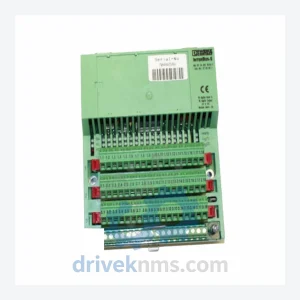
Phoenix Contact IBS RT 24DI0 16/16-T Digital I/O Module – INTERBUS
Phoenix Contact IBS RT 24DI0 16/16-T is listed for Controller Cards RFQ review. Confirm quantity, condition and destination before quotation.
RFQ-ready industrial model
Model: 2264093
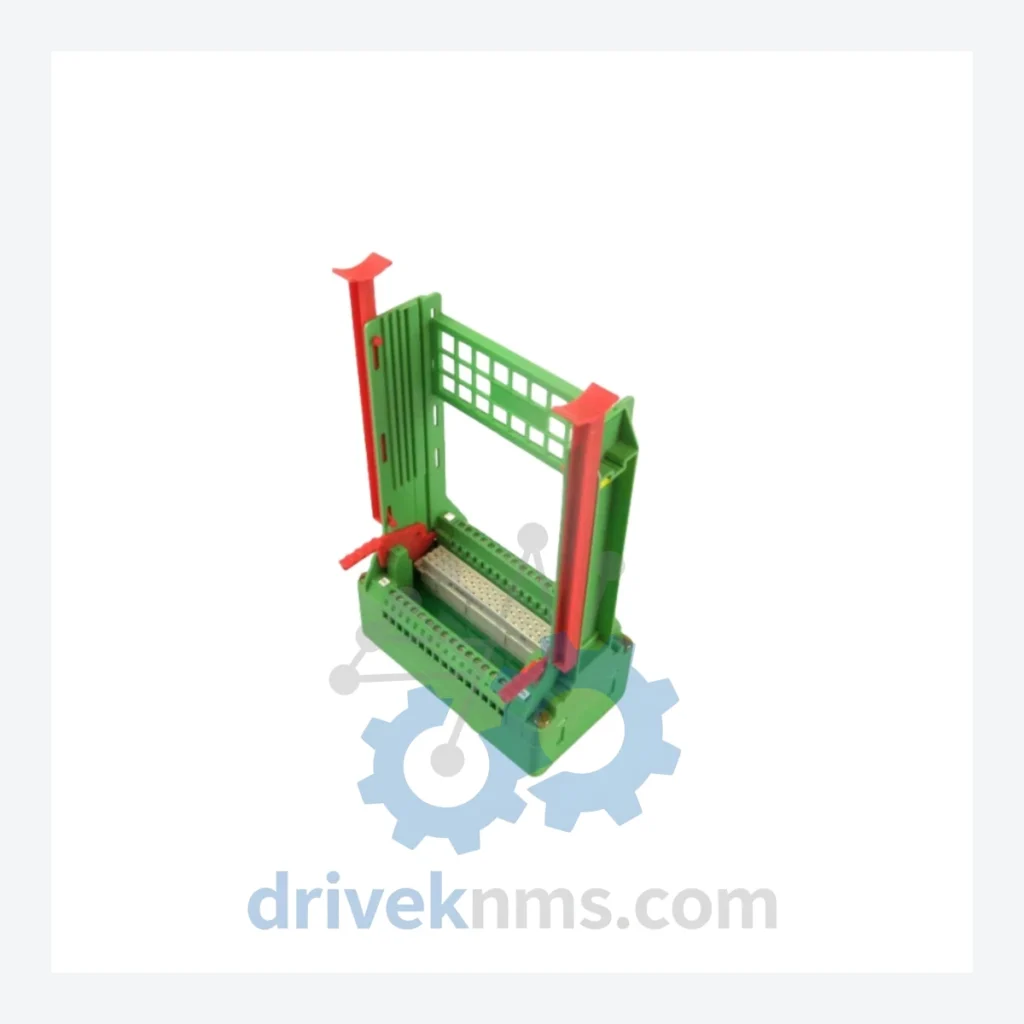
Product Overview
Commercial availability is handled through direct RFQ, model verification and export-oriented follow-up rather than public cart checkout.
Datasheet Preview
Use attached product manuals when available. If the manual is not public yet, request the full file directly through RFQ.
Commercial Path
Product pages on DRIVEKNMS are designed to verify model, brand and series first, then move the buyer into one clean quotation path.
Technical Dossier
DriveKNMS reviews sourcing options for this model through RFQ handling before quotation.
RFQ support for obsolete parts: Send the model number, required quantity and destination so DriveKNMS can confirm sourcing options before quotation.
| Parameter | Detail |
|---|---|
| Manufacturer | Phoenix Contact |
| Part Number / SKU | 2264093 |
| Description | Plug-In Card Holder |
| Product Family | CLIPLINE / Terminal Block Accessories |
| Country of Origin | Germany |
| Discontinuation Status | Obsolete / No Longer in Active Production |
| Compatibility | Phoenix Contact CLIPLINE terminal block series; legacy marshalling and I/O panel assemblies |
| Application | Card labeling and identification within terminal block assemblies |
Note: Electrical parameters specific to this accessory part are mechanical in nature. No electrical ratings are applicable. All compatibility data is based on known Phoenix Contact product family documentation. No parameters have been assumed or fabricated.
Phoenix Contact's CLIPLINE terminal block system has been a backbone of industrial wiring infrastructure for over four decades. The 2264093 card holder is a component within that ecosystem — used to mount identification cards on terminal blocks for circuit labeling in control panels, marshalling cabinets, and junction boxes.
Legacy automation systems — including those built around platforms such as Siemens S5, Allen-Bradley PLC-5, or older Honeywell DCS architectures — were wired using Phoenix Contact terminal blocks as the physical interface layer. The card holders, while small, are integral to maintaining the documentation and identification integrity of those panels. When they break or go missing, panels lose their labeling structure, creating compliance risks and maintenance confusion.
Replacing the entire terminal block row or rewiring a panel section to accommodate a different manufacturer's system is not a trivial task. It requires re-engineering the wiring schedule, re-labeling all circuits, and potentially recertifying the panel — a process that can take weeks and cost far more than the value of the original hardware. Sourcing the original 2264093 eliminates all of that.
The most effective low-cost strategy for extending the operational life of aging automation infrastructure is not software migration or hardware emulation — it is disciplined spare parts management. Specifically:
4. Document substitution compatibility before it becomes urgent. For each discontinued component, identify and test any compatible alternatives while the original is still available. This gives maintenance teams options without forcing emergency decisions during a breakdown.
These four steps, applied systematically, can extend the productive life of a legacy control system by 5–10 years without requiring capital investment in new hardware platforms.
All Phoenix Contact 2264093 units supplied by DriveKNMS undergo a structured 5-step inspection process before dispatch:
Q: How are RFQ terms confirmed?
A: Quantity, required condition, documentation needs, destination and sourcing route are confirmed during RFQ review before quotation.
Step 2 – Clip Mechanism Verification: The retention clip is tested for correct spring tension and secure engagement. Loose or fatigued clips are rejected.
Step 3 – Material Aging Assessment: Plastic components from long-stored inventory are assessed for UV degradation or brittleness, particularly relevant for parts stored in non-climate-controlled environments.
Step 5 – Packaging and Traceability: Each unit is individually packaged with a condition label and batch reference for full traceability.
Drop-in replacement: The 2264093 is a direct mechanical replacement within compatible Phoenix Contact terminal block assemblies. No modification to the terminal block, wiring, or panel layout is required.
No re-engineering required: Unlike switching to an alternative manufacturer's system, using the original part number eliminates the need for wiring schedule revisions, new label templates, or panel recertification.
Preserves panel documentation integrity: Maintaining original card holders keeps the panel's identification system intact, which is critical for maintenance traceability and regulatory compliance in industries such as oil and gas, power generation, and process manufacturing.
Cost-effective asset protection: The per-unit cost of this accessory is a fraction of the labor cost associated with any alternative repair strategy. Stocking spares is the lowest-cost insurance available for legacy panel infrastructure.
Q: Can you support multi-unit or repeat RFQ requests?
A: Yes. Send the model list, target quantity and destination so DRIVEKNMS can review sourcing options and quote the requirement as a project RFQ.
Continue The Model Path
Move from this exact model into the matching system hub, brand archive, model-family archive or lifecycle sourcing route before sending a final RFQ list.
Related Paths
Phoenix Contact IBS RT 24DI0 16/16-T is listed for Controller Cards RFQ review. Confirm quantity, condition and destination before quotation.
Phoenix Contact 00-133-594 PCed05 is listed for PCed Series RFQ review. Confirm quantity, condition and destination before quotation.
Phoenix Contact 2320157 QUINT-DIODE'12-24DC/2x20/1x40 is listed for Controller Cards RFQ review. Confirm quantity, condition and destination before quotation.