
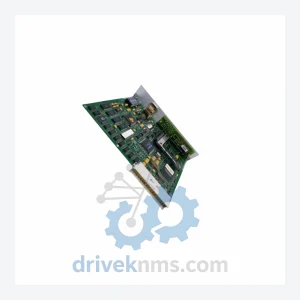
PHOENIX CONTACT IBSS5DSC/I-T 2752000 Interbus Module – IBS Series
Phoenix Contact IBSS5DSC/I-T 2752000 is listed for IBS Series RFQ review. Confirm quantity, condition and destination before quotation.
RFQ-ready industrial model
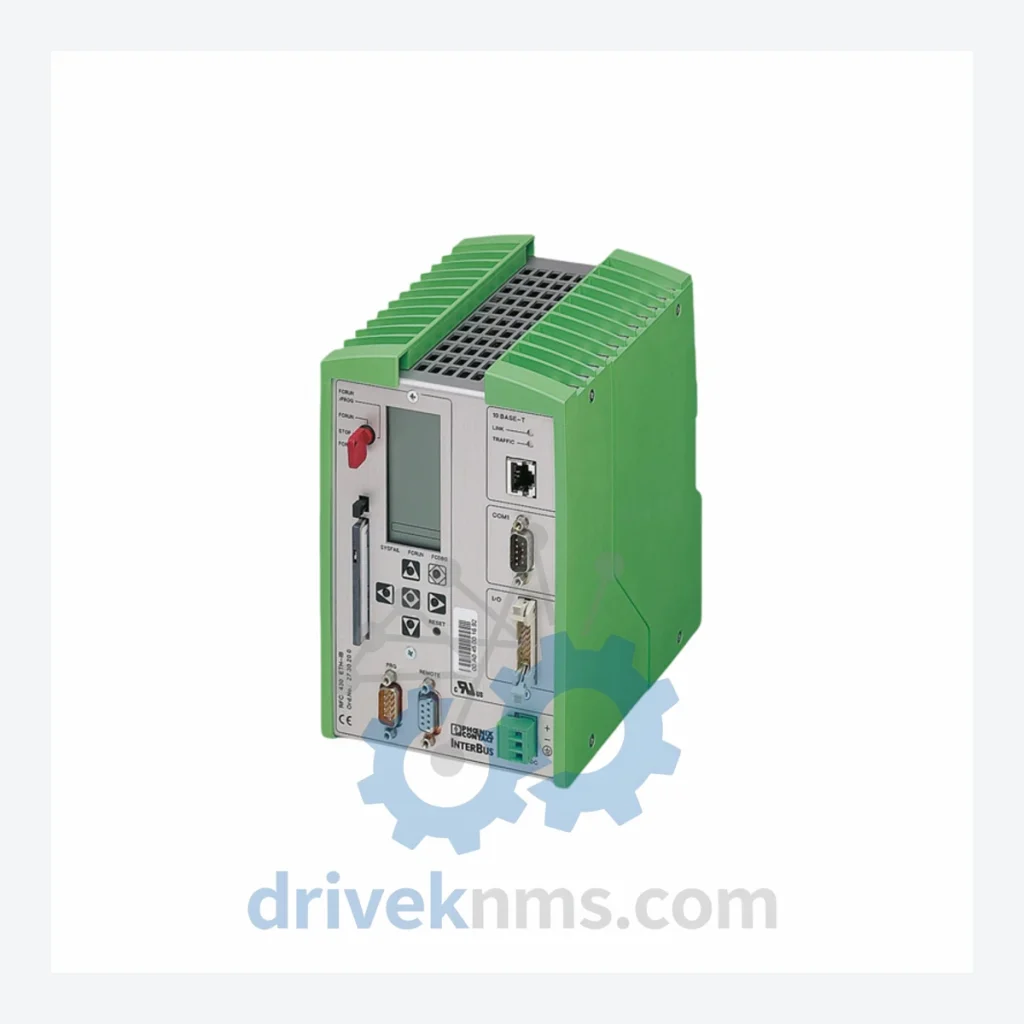
Model: RFC 430 ETH-IB 2730190
Product Overview
Commercial availability is handled through direct RFQ, model verification and export-oriented follow-up rather than public cart checkout.
Datasheet Preview
Use attached product manuals when available. If the manual is not public yet, request the full file directly through RFQ.
Commercial Path
Product pages on DRIVEKNMS are designed to verify model, brand and series first, then move the buyer into one clean quotation path.
Technical Dossier
RFQ support for obsolete parts: Send the model number, required quantity and destination so DriveKNMS can confirm sourcing options before quotation.
| Manufacturer | Phoenix Contact |
| Part Number | RFC 430 ETH-IB / 2730190 |
| Product Series | ILC/RFC Series |
| Function | InterBus Remote Field Controller with Ethernet interface |
| Fieldbus Protocol | InterBus (IBS) |
| Communication Interface | Ethernet (10/100 Mbps) |
| Country of Origin | Germany |
| Product Status | Discontinued / Obsolete – No longer manufactured by Phoenix Contact |
| Typical System Compatibility | Phoenix Contact InterBus master/slave topologies; compatible with IBS-based control architectures from the late 1990s through mid-2000s |
Note: Electrical parameters not listed here are not confirmed from verified datasheets. DriveKNMS does not publish unverified specifications. Contact us for detailed technical documentation.
The RFC 430 ETH-IB was designed to serve as the Ethernet-connected master controller within Phoenix Contact's InterBus remote I/O networks. In facilities where InterBus was the dominant fieldbus standard through the 2000s, this controller is not a peripheral component — it is the communication hub that every downstream I/O node depends on.
Facilities running InterBus topologies with this controller typically include automotive body shop automation, packaging line control, and discrete manufacturing cells built during the 2000s capital investment cycle. These systems were engineered for 20–30 year service lives. The control hardware was never intended to be the limiting factor.
For operations management facing pressure to defer capital expenditure on control system upgrades, a structured spare parts strategy built around critical discontinued components can realistically extend the productive life of an InterBus-based system by five to ten years. The following approach applies directly to systems dependent on the RFC 430 ETH-IB:
1. Identify single points of failure. The RFC 430 ETH-IB is a non-redundant controller in most installations. If it fails, the entire InterBus segment it manages goes offline. Treat it as a Tier-1 critical spare — the same category as your main PLC CPU.
2. Secure RFQ-reviewed sourcing status before the market dries up. Secondary market availability for discontinued Phoenix Contact RFC-series controllers narrows every year. Units that exist in the market today may not be available in 18 months. Procurement decisions deferred are options permanently lost.
3. Maintain firmware version records. InterBus systems are sensitive to firmware mismatches between the RFC controller and connected I/O modules. Document the current firmware version running in your installed unit. When sourcing a replacement, verify the firmware version of the spare matches or is compatible with your existing configuration.
4. Implement a scheduled inspection cycle. Even in storage, electronic components age. Electrolytic capacitors in controllers from this era have a finite shelf life. A spare unit should be powered up and functionally tested annually to confirm it remains operational.
5. Negotiate a controlled migration timeline on your terms. With verified spares in hand, your engineering team can plan a fieldbus migration during a scheduled capital cycle — not under emergency conditions. The difference in project cost and execution quality between a planned and an emergency migration is substantial.
DriveKNMS applies a structured five-step quality process to all discontinued industrial controllers before they are offered for sale:
Step 1 – Visual and mechanical inspection: Full external examination for physical damage, connector pin condition, and housing integrity. Units with bent or corroded pins are rejected at this stage.
Step 2 – Electrolytic capacitor assessment: Controllers from this production era are susceptible to capacitor degradation. We inspect for visible bulging, leakage, and where possible, perform ESR testing on critical capacitors.
Step 3 – Firmware version verification: The firmware version is read and documented. This information is provided to the buyer to confirm compatibility with their installed system before dispatch review.
Step 4 – Functional power-on test: The unit is powered and tested for normal initialization and communication response where test infrastructure permits.
Step 5 – Anti-static packaging and documentation: Units are packed in ESD-safe materials with full condition and firmware documentation included.
The RFC 430 ETH-IB 2730190 is a direct hardware replacement for the same part number in any existing installation. There is no hardware redesign required. Key maintenance advantages include:
Q: How do I know the unit is genuine and not a counterfeit?
A: All units sourced by DriveKNMS are inspected for manufacturer markings, label authenticity, and PCB construction consistency. We do not source from unverified channels. Buyers may request pre-shipment photos and documentation.
Q: Can you source other Phoenix Contact RFC-series or InterBus components?
A: Yes. DriveKNMS specializes in hard-to-find and discontinued industrial automation components. Contact us with your full bill of materials for legacy system spares.
Continue The Model Path
Move from this exact model into the matching system hub, brand archive, model-family archive or lifecycle sourcing route before sending a final RFQ list.
Related Paths
Phoenix Contact IBSS5DSC/I-T 2752000 is listed for IBS Series RFQ review. Confirm quantity, condition and destination before quotation.
Phoenix Contact IBS RT 24 DIO 16/16-T is listed for Servo Drives RFQ review. Confirm quantity, condition and destination before quotation.
Phoenix Contact IBS RT 24DI /16-T is listed for Servo Drives RFQ review. Confirm quantity, condition and destination before quotation.