
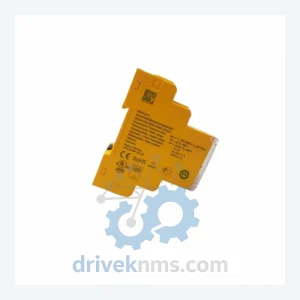
Pilz PNOZ Series Modules PNOZ X11P
Pilz PNOZ X11P is listed for PNOZ Series RFQ review. Confirm quantity, condition and destination before quotation.
RFQ-ready industrial model
Model: PILZ PNOZ 11 safety gate monitor
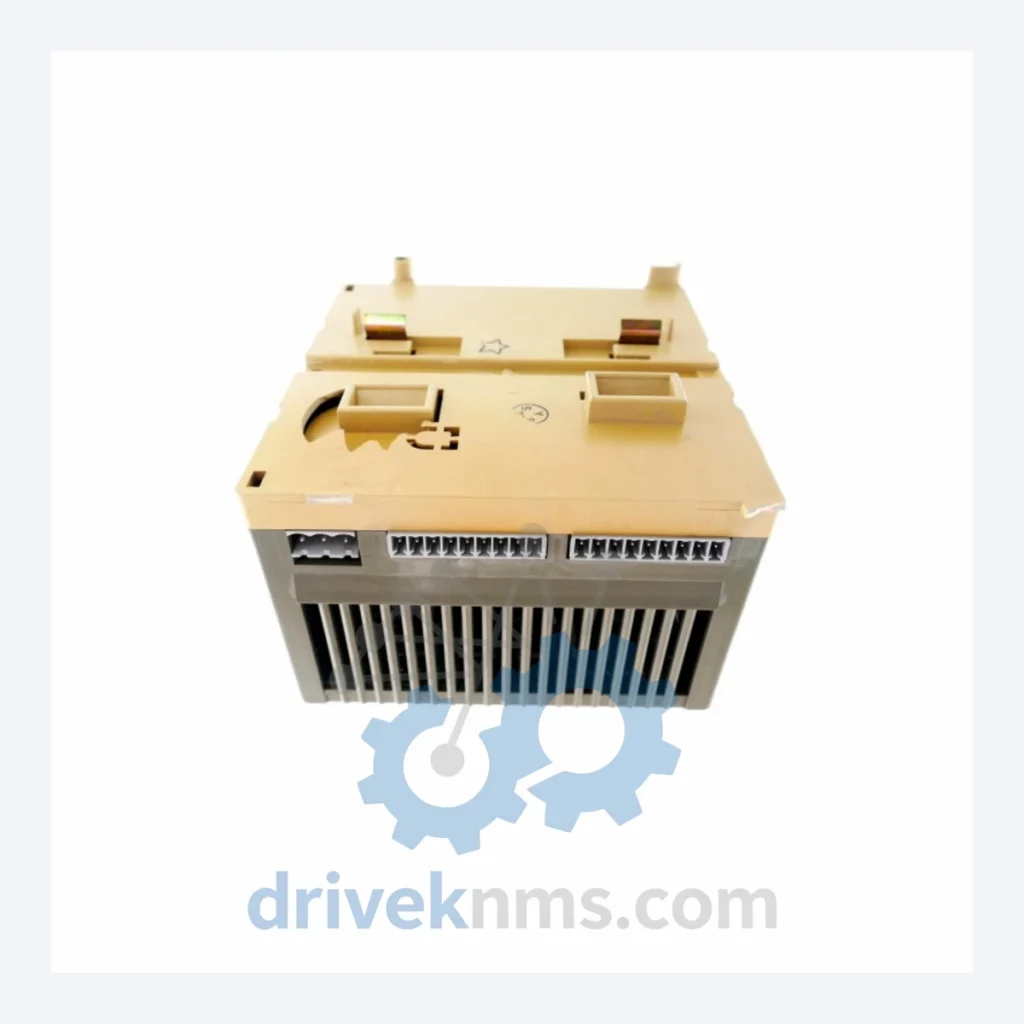
Product Overview
Commercial availability is handled through direct RFQ, model verification and export-oriented follow-up rather than public cart checkout.
Datasheet Preview
Use attached product manuals when available. If the manual is not public yet, request the full file directly through RFQ.
Commercial Path
Product pages on DRIVEKNMS are designed to verify model, brand and series first, then move the buyer into one clean quotation path.
Technical Dossier
DriveKNMS reviews sourcing options for this model through RFQ handling before quotation.
RFQ support for obsolete parts: Send the model number, required quantity and destination so DriveKNMS can confirm sourcing options before quotation.
| Parameter | Detail |
|---|---|
| Manufacturer | Pilz GmbH & Co. KG |
| Part Number | PNOZ 11 |
| Series | PNOZ (Classic) |
| Function | Safety Gate Monitor / Emergency Stop Relay |
| Supply Voltage | 24 VDC / 24–240 VAC (verify against unit label) |
| Safety Category | Up to Category 4 per EN 954-1 / ISO 13849-1 |
| Output Contacts | 3 N/O safety contacts, 1 N/C auxiliary contact |
| Country of Origin | Germany |
| Discontinuation Status | Discontinued – no longer in Pilz active production catalog |
| Compatible Systems | Legacy safety gate circuits, emergency stop loops, two-hand control systems built on PNOZ Classic platform |
Note: Electrical parameters should be verified against the physical unit label and original system documentation. DriveKNMS does not fabricate specifications. If you require datasheet confirmation, contact us before purchase.
The PNOZ Classic series, including the PNOZ 11, was the industry standard for machine safety monitoring throughout the 1990s and 2000s. Facilities that built their safety architecture on this platform are now confronting a hard reality: Pilz has transitioned its product line to the PNOZmulti and myPNOZ platforms, and the Classic series is no longer manufactured.
For plant managers operating equipment with 15–25 year service lives — CNC machining centers, press lines, robotic work cells, packaging lines — the PNOZ 11 is not a peripheral component. It sits at the heart of the safety interlock circuit. A single failed unit halts the guarded machine. Without a replacement, the choice becomes: source the original part, or commit to a safety system redesign that the maintenance budget and production schedule cannot accommodate.
Extending the operational life of automation assets by 5 to 10 years through targeted spare part procurement is a documented and defensible maintenance strategy. The logic is straightforward: if a machine has 8 years of productive life remaining and a full safety system upgrade costs USD 200,000, then a verified spare part at a fraction of that cost — held in controlled storage — represents a rational capital allocation decision. This approach is standard practice in industries where equipment replacement cycles are measured in decades, not years.
Every Pilz PNOZ 11 unit processed by DriveKNMS passes through a five-stage evaluation protocol before being offered for sale:
Units that do not pass all five stages are not sold. Condition grade is documented and disclosed at the time of quotation.
How do I know the unit is genuine and not counterfeit?
All units are sourced through documented industrial channels. Physical markings, housing construction, and internal component layout are verified against known-good reference units. We do not source from unverified secondary markets. If you require additional traceability documentation, contact us before purchase.
Can this unit be used in a new installation?
This unit is intended for maintenance replacement in existing systems. For new installations, Pilz's current product line should be evaluated. We do not recommend specifying discontinued components in new safety system designs.
Continue The Model Path
Move from this exact model into the matching system hub, brand archive, model-family archive or lifecycle sourcing route before sending a final RFQ list.
Related Paths
Pilz PNOZ X11P is listed for PNOZ Series RFQ review. Confirm quantity, condition and destination before quotation.
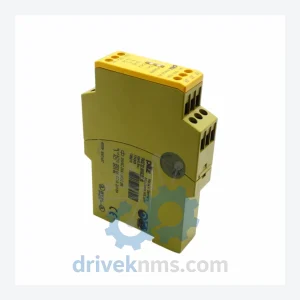
Pilz PNOZ X2 774303 is listed for PNOZ X Series Safety RFQ review. Confirm quantity, condition and destination before quotation.
Pilz 774086 PNOZ 11 is listed for Monitoring Systems RFQ review. Confirm quantity, condition and destination before quotation.