Technical Dossier
Product Details And Specifications
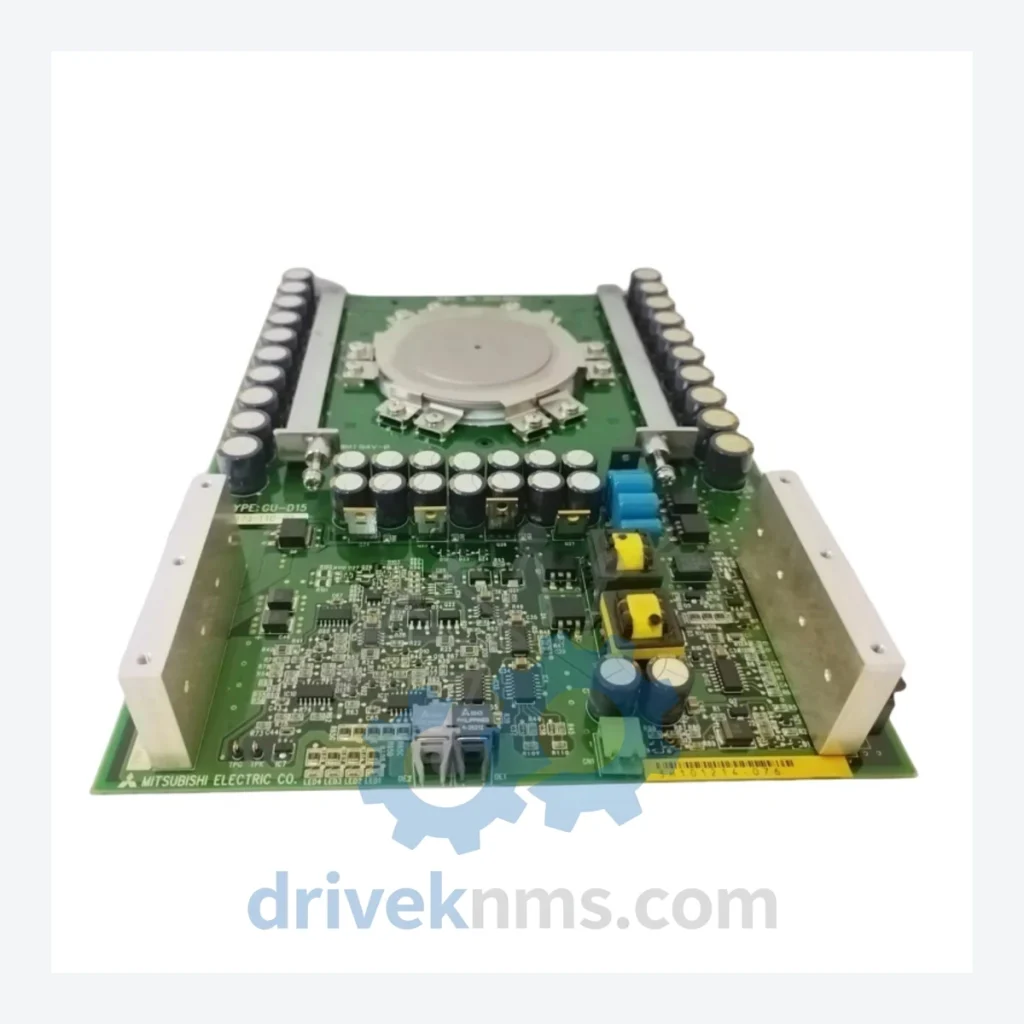
PLC 80173-110-02-3 Industrial Control Module – Obsolete Legacy Spare Part
DriveKNMS reviews sourcing options for this model through RFQ handling before quotation.
RFQ support for obsolete parts: Send the model number, required quantity and destination so DriveKNMS can confirm sourcing options before quotation.
Technical Specifications
Note: Electrical parameters for this obsolete module are not published to prevent misapplication. Contact our technical team for verified datasheet access prior to procurement.
Solving the Discontinued Hardware Crisis
Legacy PLC platforms were engineered for decades of service. The control logic, field wiring, and operator interfaces built around them represent a substantial sunk investment — one that cannot be replicated by simply purchasing a modern replacement controller. When a module like the 80173-110-02-3 reaches end-of-life, the OEM's answer is system migration. The plant's reality is often different.
Q: How are RFQ terms confirmed?
A: Quantity, required condition, documentation needs, destination and sourcing route are confirmed during RFQ review before quotation.
The 80173-110-02-3 module is a direct-fit replacement for systems that were designed around this hardware generation. Sourcing a verified spare eliminates the migration trigger entirely, preserving the existing control architecture and deferring capital expenditure on terms the plant controls — not the OEM's product lifecycle calendar.
For plant managers operating under asset-life extension mandates, the calculus is straightforward: a single verified spare module, properly stored, can protect years of continued operation at a fraction of the cost of any alternative path.
Condition & Reliability Assurance
Obsolete modules sourced from secondary markets carry inherent risk. DriveKNMS applies a structured 5-step qualification process to every unit before it is offered for sale:
- Step 1 – Visual and Physical Inspection: Full examination of housing integrity, connector pins, and PCB surface. Units with corrosion, mechanical damage, or evidence of field repair are rejected at intake.
- Step 2 – Electrolytic Capacitor Assessment: Aged electrolytic capacitors are the primary failure mode in stored legacy modules. Each unit undergoes ESR (Equivalent Series Resistance) testing. Capacitors showing degradation are flagged; units are assessed for recapping where applicable.
- Step 3 – Firmware Version Verification: Where accessible, firmware revision is confirmed against known-good reference versions. Mismatched or corrupted firmware is a disqualifying condition.
- Step 4 – Pin and Contact Integrity Check: All edge connectors and backplane contacts are inspected under magnification for oxidation, fretting corrosion, and mechanical deformation. Contact surfaces are cleaned to IPC standards where required.
- Step 5 – Functional Bench Test: Units are powered and tested against baseline operational parameters prior to packaging. Only units that pass all five stages are offered as RFQ-reviewed sourcing status.
How to Extend Your Automation Asset Life by 5–10 Years: A Practical Framework for Plant Management
The decision to extend the service life of a legacy automation system is not a technical concession — it is a capital allocation strategy. For plant managers facing OEM end-of-life notices, the following framework provides a structured approach to deferring system replacement without accepting unacceptable operational risk.
1. Conduct a Critical Spares Audit. Identify every module, card, and component in your control system that is no longer in active production. Prioritize by failure consequence: modules whose failure would halt the entire line rank highest. The 80173-110-02-3 class of control module typically falls into this tier.
3. Implement Condition-Based Monitoring. Legacy PLC modules do not fail without warning in most cases. Integrating basic diagnostic monitoring — cycle time drift, communication error rates, power supply ripple — provides early indicators of module degradation before a hard failure occurs.
4. Document and Preserve Configuration Data. Ensure that all PLC programs, I/O configurations, and communication parameters are backed up and stored off-system. Configuration loss compounds the cost of any hardware failure event.
Applied consistently, this framework extends the viable service life of legacy automation assets by 5–10 years in documented industrial cases — without the capital outlay of a full system migration.
Q: How is condition confirmed before quotation?
A: Available condition, photos, test records and documentation are checked according to the requested model and sourcing channel before a formal RFQ response.
Q: Can I order multiple units for long-term spares storage?
A: Yes. DriveKNMS supports bulk procurement for facilities implementing a critical spares program. Contact our team to discuss quantity availability and storage recommendations for long-term preservation of electronic modules.
Q: What if the module does not resolve my system fault?
A: Our technical team can assist with pre-sale compatibility verification. We recommend providing your system configuration details before ordering to confirm the 80173-110-02-3 is the correct replacement for your application.