
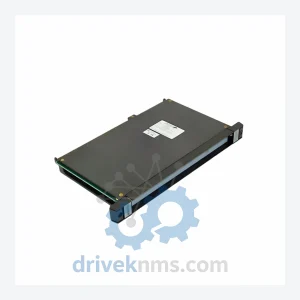
RELIANCE 0-57405-D Drive Analog I/O Module – Electric Series
Reliance Electric 0-57405-D 57405-D is listed for Electric Series RFQ review. Confirm quantity, condition and destination before quotation.
RFQ-ready industrial model
Model: 018-001770
Product Overview
Commercial availability is handled through direct RFQ, model verification and export-oriented follow-up rather than public cart checkout.
Datasheet Preview
Use attached product manuals when available. If the manual is not public yet, request the full file directly through RFQ.
Commercial Path
Product pages on DRIVEKNMS are designed to verify model, brand and series first, then move the buyer into one clean quotation path.
Technical Dossier
RFQ support for obsolete parts: Send the model number, required quantity and destination so DriveKNMS can confirm sourcing options before quotation.
Note: Electrical parameters for this board are specific to the drive configuration it serves. To confirm compatibility with your system, please provide your drive model and firmware version when contacting us. No parameters have been assumed or fabricated.
The Reliance Electric FlexPak platform was deployed extensively across North American and international industrial facilities throughout the 1980s and 1990s. These DC drive systems were engineered for durability, and many remain in active service today — precisely because replacing them is not a simple swap. A FlexPak drive is deeply integrated into its host machine: motor tuning parameters, speed reference wiring, feedback loops, and operator interface logic are all calibrated to the existing hardware. Replacing the drive system means re-engineering all of these elements from scratch.
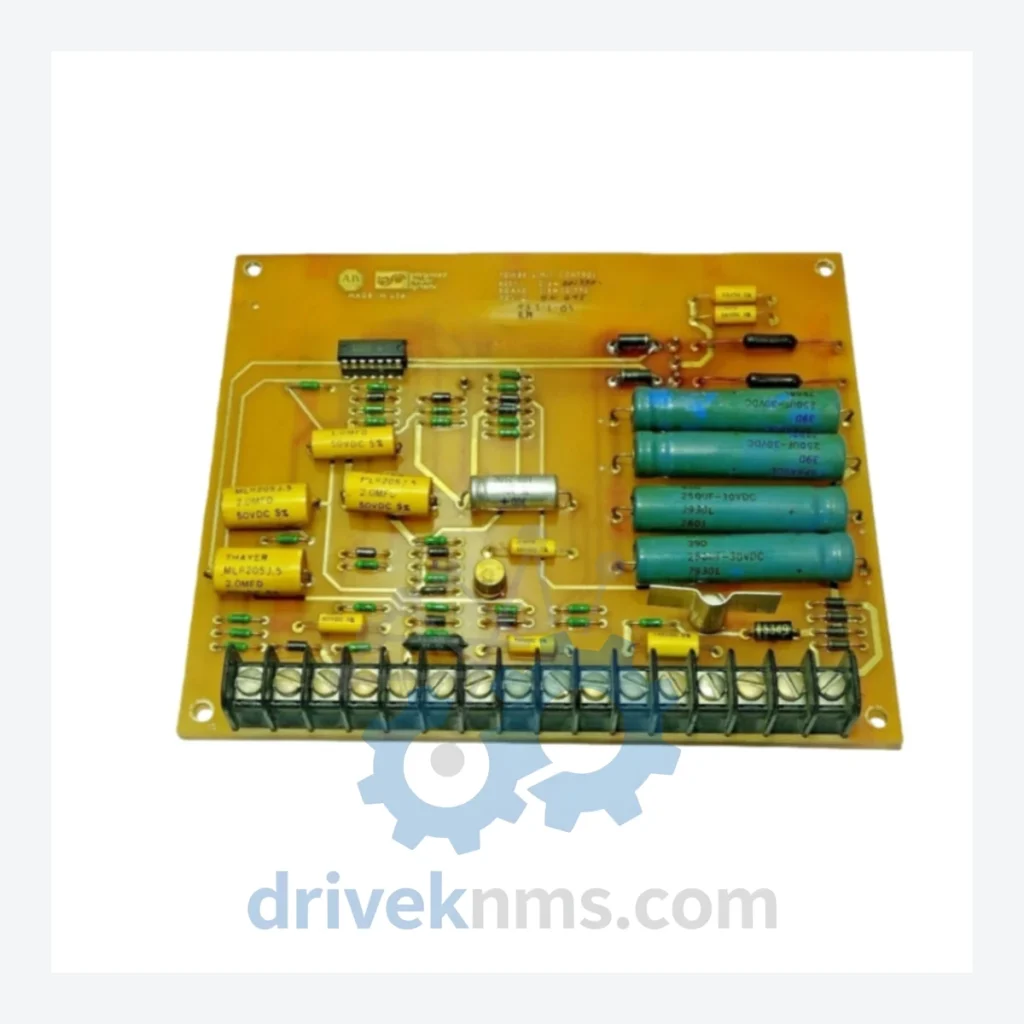
The Power Limit Control Board (018-001770) governs current and torque limiting functions within the drive. Its failure does not produce a graceful degradation — it typically results in drive fault, motor shutdown, or uncontrolled torque behavior, any of which halts production immediately. Because Reliance Electric was acquired by Rockwell Automation and the FlexPak line was subsequently discontinued, OEM replacement boards are no longer manufactured. The secondary market is the only viable source.
For facilities operating legacy DC drive systems, the path to extending asset life by a decade does not require significant capital investment. It requires a disciplined approach to critical spare identification and procurement. The following framework has been applied successfully across manufacturing, paper, metals, and process industries:
1. Identify your single points of failure. Map every board and module in your drive system that, if it failed, would halt production and cannot be sourced within 48 hours. The 018-001770 is a textbook example for FlexPak users.
2. Prioritize boards with no modern equivalent. Some legacy boards can be substituted with modern alternatives through engineering effort. Others — particularly those with proprietary communication protocols or custom ASICs — cannot. Power limit and firing circuit boards in legacy DC drives frequently fall into this category.
3. Procure from verified aftermarket specialists, not general surplus. The risk with obsolete boards is not just availability — it is condition. Boards that have been improperly stored, subjected to humidity, or have aged electrolytic capacitors will fail shortly after installation. Source only from suppliers who perform incoming inspection and can document board condition.
4. Establish a documented spare rotation policy. Boards held in storage for more than five years should be inspected and reconditioned before being placed into service. This is particularly relevant for electrolytic capacitors, which degrade on the shelf as well as in operation.
5. Negotiate long-term supply agreements where possible. For facilities with multiple identical drive systems, securing a multi-unit spare agreement with a specialist supplier locks in pricing and guarantees availability before the secondary market is exhausted.
This approach consistently delivers a 5–10 year extension of drive system service life at a fraction of the cost of system replacement.
DriveKNMS applies a structured 5-step quality process to all obsolete and legacy boards before dispatch review:
Step 1 – Visual and Physical Inspection: Each board is examined for physical damage, burn marks, cracked traces, and connector pin condition. Boards with visible damage are quarantined and not offered for sale.
Step 2 – Electrolytic Capacitor Assessment: Capacitor aging is the primary failure mode in boards of this era. We inspect for bulging, leakage, and ESR deviation. Boards with suspect capacitors are either reconditioned with matched replacements or removed from inventory.
Step 3 – Firmware and Revision Verification: Where applicable, board revision markings and any embedded firmware identifiers are documented and disclosed to the buyer prior to shipment. Revision mismatches are flagged before the order is confirmed.
Step 4 – Pin and Connector Integrity Check: Edge connectors and pin headers are inspected for corrosion, oxidation, and mechanical deformation. Affected contacts are cleaned using appropriate methods; boards with structural connector damage are not sold.
Step 5 – Functional Documentation Review: Available test records, prior installation history, and any known configuration data are compiled and provided with the shipment where available.
For maintenance teams managing aging drive fleets, this drop-in compatibility is the critical distinction between a two-hour repair and a two-week engineering project. There are no firmware uploads, no parameter re-entry procedures, and no motor re-tuning requirements associated with a like-for-like board replacement.
Q: How do I know the board is genuine and not a counterfeit?
A: All boards are sourced from documented industrial decommissioning projects or verified OEM surplus channels. We do not purchase from anonymous bulk lots. Board markings, revision codes, and date codes are inspected and disclosed. If you require additional traceability documentation, please request it at the time of inquiry.
Q: Can this board be used in a drive that has been upgraded or modified?
A: Compatibility depends on the specific drive configuration and any modifications that have been made. Please provide your drive model number, serial number, and a description of any known modifications when contacting us. We will confirm compatibility before processing your order.
Continue The Model Path
Move from this exact model into the matching system hub, brand archive, model-family archive or lifecycle sourcing route before sending a final RFQ list.
Related Paths
Reliance Electric 0-57405-D 57405-D is listed for Electric Series RFQ review. Confirm quantity, condition and destination before quotation.
Reliance Electric 0-51820-1 is listed for Servo Drives RFQ review. Confirm quantity, condition and destination before quotation.
Reliance Electric 57C415 57415-A is listed for FlexPak Series RFQ review. Confirm quantity, condition and destination before quotation.