
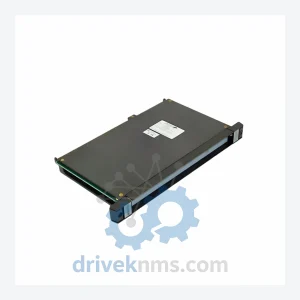
RELIANCE 0-57405-D Drive Analog I/O Module – Electric Series
Reliance Electric 0-57405-D 57405-D is listed for Electric Series RFQ review. Confirm quantity, condition and destination before quotation.
RFQ-ready industrial model
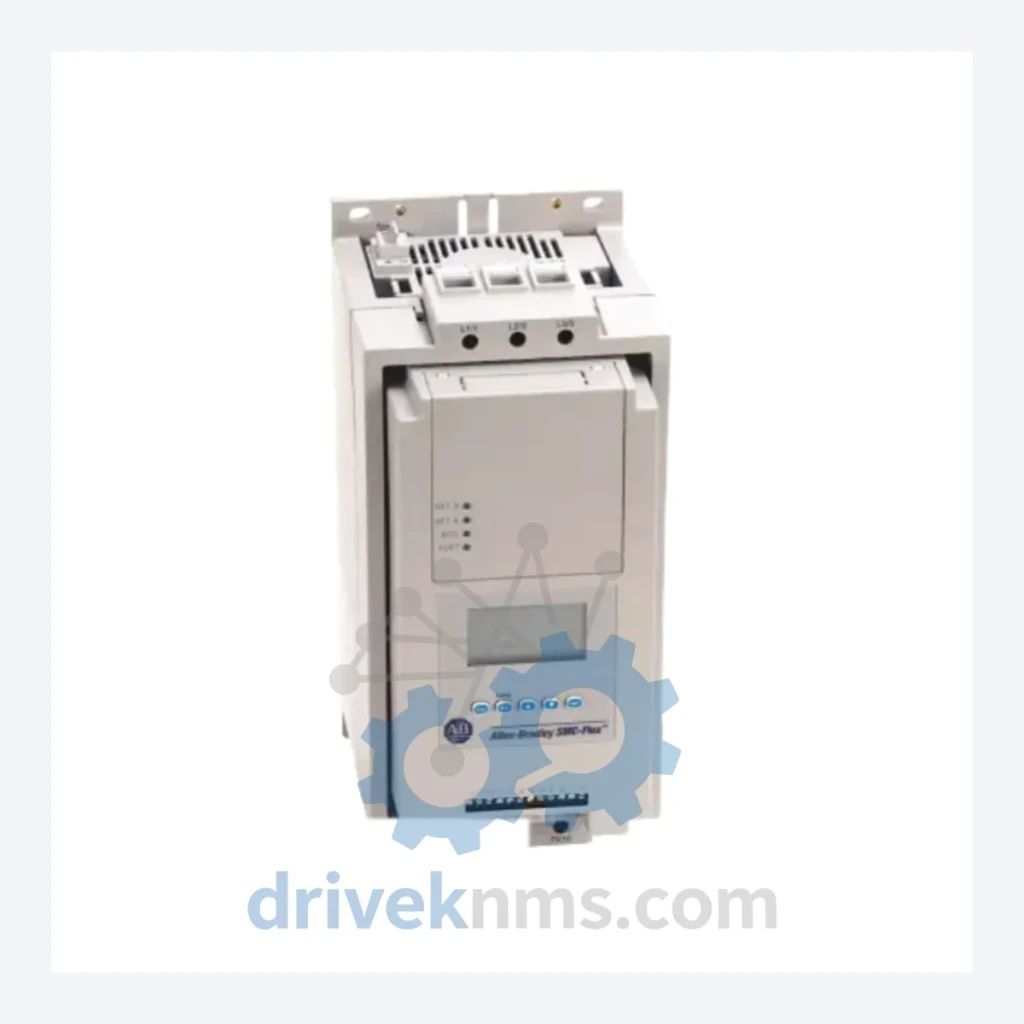
Model: 150-F251NZD
Product Overview
Commercial availability is handled through direct RFQ, model verification and export-oriented follow-up rather than public cart checkout.
Datasheet Preview
Use attached product manuals when available. If the manual is not public yet, request the full file directly through RFQ.
Commercial Path
Product pages on DRIVEKNMS are designed to verify model, brand and series first, then move the buyer into one clean quotation path.
Technical Dossier
When a Reliance Electric 150-F251NZD motor controller fails on your production floor, the clock starts immediately. This board is a core control component in the Reliance Electric FlexPak DC drive series — a platform that powered continuous-process industries for decades and remains embedded in paper mills, steel processing lines, wire drawing machines, and extruder systems worldwide. Replacing the entire drive system is not a matter of weeks; it is a capital project measured in months and millions. A single sourced spare, by contrast, restores production within hours. DriveKNMS holds RFQ-reviewed sourcing status of the 150-F251NZD. This is not a catalog listing — it is a confirmed, inspected unit available for immediate dispatch.
RFQ support for obsolete parts: Send the model number, required quantity and destination so DriveKNMS can confirm sourcing options before quotation.
Note: Electrical parameters specific to this board variant are verified during our QA process. Confirmed specifications are provided upon request with unit documentation. No parameters are published without physical verification.
The Reliance Electric FlexPak platform was engineered for industrial durability, and many installations commissioned in the 1980s and 1990s continue to operate today — precisely because the hardware was built to last. The problem is not the drive itself. The problem is that Rockwell Automation discontinued the FlexPak line, and the supply of genuine replacement boards has been contracting for years.
For plant managers operating continuous-process lines, the 150-F251NZD is not a peripheral component. It sits at the center of motor speed regulation and torque control. A failure without a spare on hand forces one of three outcomes: an unplanned shutdown while a replacement is sourced (typically 4–12 weeks at best), an emergency retrofit to a modern drive platform (engineering cost: $50,000–$300,000+ depending on motor size and integration complexity), or production at reduced capacity with degraded control. None of these outcomes is acceptable when a verified spare exists.
DriveKNMS specializes in sourcing and qualifying obsolete industrial control components. The 150-F251NZD units in our inventory have been traced to verified supply channels — not salvage lots — and each unit passes a structured inspection protocol before dispatch.
Obsolete boards sourced from the secondary market carry real risks: electrolytic capacitor degradation, firmware version mismatches, pin corrosion from improper storage, and undisclosed prior damage. Our 5-step QA protocol addresses each of these failure modes directly.
Step 1 – Visual and Physical Inspection: Full board examination under magnification. Solder joint integrity, component seating, and PCB trace condition are assessed. Units with evidence of burn damage, cracked components, or physical stress are rejected.
Step 2 – Electrolytic Capacitor Assessment: Capacitors are the primary age-related failure point on boards of this era. Each electrolytic capacitor is tested for capacitance value, ESR (equivalent series resistance), and leakage. Units showing degradation beyond tolerance are either recapped with equivalent-spec components or rejected.
Step 3 – Firmware Version Verification: Where applicable, firmware or EPROM versions are identified and documented. Compatibility with the target FlexPak drive revision is confirmed before dispatch.
Step 4 – Pin and Connector Inspection: All edge connectors and pin headers are inspected for oxidation, corrosion, and mechanical deformation. Affected contacts are cleaned using appropriate contact restoration methods or the unit is rejected.
Step 5 – Functional Bench Test: Where test fixtures are available for this board type, a powered functional test is performed. Test results are documented and accompany the unit.
The 150-F251NZD is a direct drop-in replacement for the same part number within the FlexPak drive chassis. There is no requirement to modify drive parameters, reconfigure the control architecture, or engage a systems integrator for commissioning. The board seats into the existing slot, connectors mate to the existing harness, and the drive resumes operation under its existing configuration.
This matters operationally. An engineering retrofit to a modern drive platform requires motor nameplate data collection, new drive sizing, control wiring redesign, PLC or DCS interface reconfiguration, and commissioning time — a process that routinely runs 2–6 weeks even when managed efficiently. A board swap with a verified 150-F251NZD takes hours, not weeks, and requires no changes to the surrounding control system. For facilities where the FlexPak drive interfaces with a legacy DCS — Honeywell TDC 3000, Bailey INFI 90, or similar — preserving the existing drive hardware also preserves the existing control interface, eliminating a significant source of integration risk.
For plant engineering teams managing asset life extension programs, the 150-F251NZD represents the lowest-cost, lowest-risk path to maintaining operational continuity on FlexPak-equipped lines for an additional 5–10 years.
Can you confirm compatibility with my specific FlexPak drive revision before I order?
Yes. Provide your drive nameplate data and existing board revision number, and our technical team will confirm compatibility before the order is placed.
Continue The Model Path
Move from this exact model into the matching system hub, brand archive, model-family archive or lifecycle sourcing route before sending a final RFQ list.
Related Paths
Reliance Electric 0-57405-D 57405-D is listed for Electric Series RFQ review. Confirm quantity, condition and destination before quotation.
Reliance Electric 0-51820-1 is listed for Servo Drives RFQ review. Confirm quantity, condition and destination before quotation.
Reliance Electric 57C415 57415-A is listed for FlexPak Series RFQ review. Confirm quantity, condition and destination before quotation.