
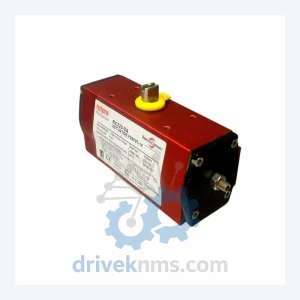
Rotork RC220-SR087 Actuator F05F07-14 – Obsolete RC Series Spare Part
Rotork RC220-SR087 ACTUATOR F05F07-14 is listed for Controller Cards RFQ review. Confirm quantity, condition and destination before quotation.
RFQ-ready industrial model
Model: MOD 6G
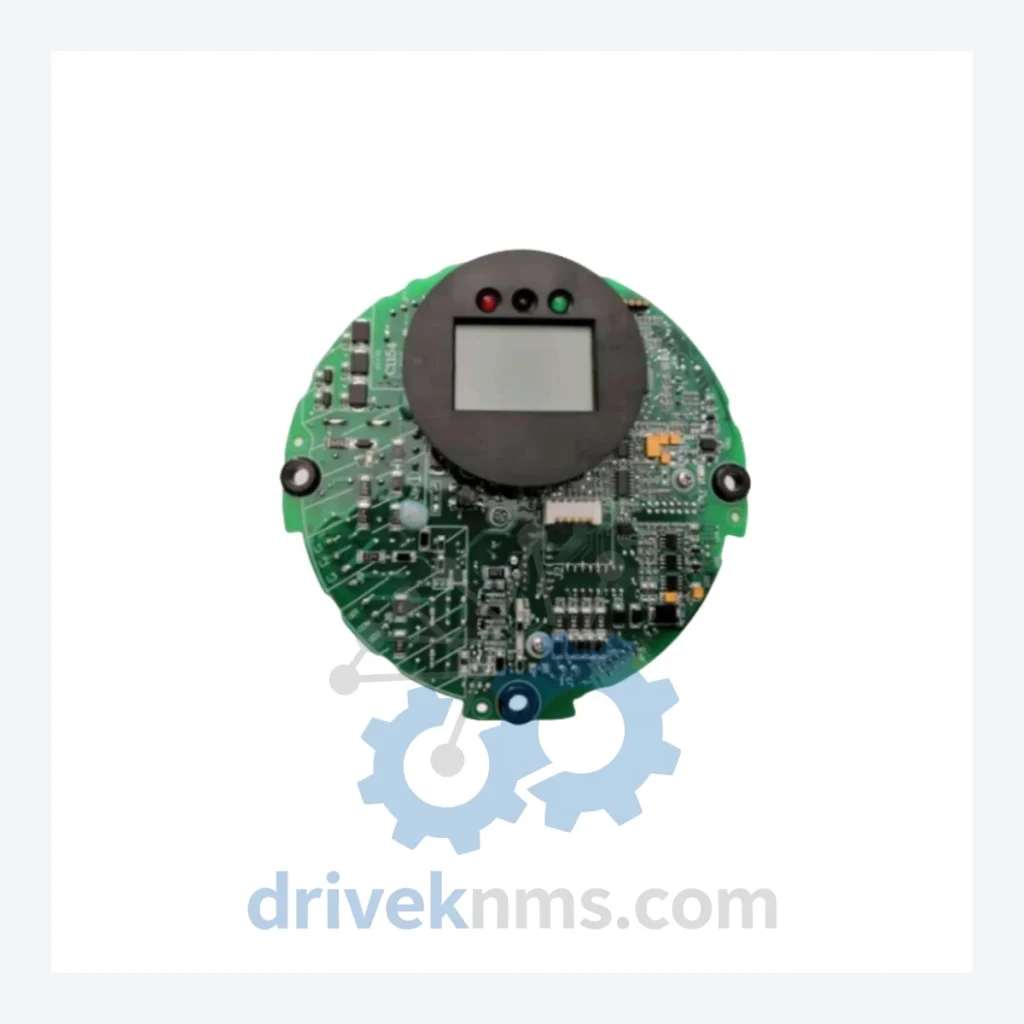
Product Overview
Commercial availability is handled through direct RFQ, model verification and export-oriented follow-up rather than public cart checkout.
Datasheet Preview
Use attached product manuals when available. If the manual is not public yet, request the full file directly through RFQ.
Commercial Path
Product pages on DRIVEKNMS are designed to verify model, brand and series first, then move the buyer into one clean quotation path.
Technical Dossier
The Rotork MOD Series was introduced as a successor to the earlier A-Range and IQ-Range standalone control modules, consolidating distributed actuator intelligence into a rack-mounted, bus-addressable format. Early-generation MOD hardware (MOD 1x, MOD 2x) used parallel wiring topologies and proprietary RS-485 derivatives for inter-module communication. The MOD 3x generation introduced HART protocol compatibility, enabling integration with asset management platforms such as Emerson AMS and Honeywell FSC. The MOD 5x and MOD 6x generations represent the current mature architecture, incorporating dual-redundant power rails, CAN bus backplane communication, and optional Profibus DP / Modbus RTU field network adapters. Compatibility between generations requires careful attention: MOD 6x CPU cards are not backward-compatible with MOD 3x backplanes without a firmware bridge adapter. As of 2024, Rotork has formally classified MOD 1x and MOD 2x hardware as End-of-Life (EOL), with MOD 3x entering the Mature/Sustained phase. MOD 5x and MOD 6x remain in active production. For plants operating legacy MOD 2x or MOD 3x infrastructure, third-party lifecycle extension suppliers such as DriveKNMS provide tested replacement boards and cross-reference mapping to current equivalents.
The following SKUs represent verified, commonly sourced components within the Rotork MOD Series. Each module is classified by functional category.
CPU / Controller Modules
Digital Input (DI) Modules
Digital Output (DO) Modules
Analog Input / Output (AI/AO) Modules
Communication / Network Adapter Modules
Power Supply Modules
MOD Series modules present specific test challenges due to their multi-layer backplane bus architecture and mixed analog/digital signal paths. DriveKNMS applies the following verification protocol to all MOD Series units prior to dispatch: (1) Visual inspection for PCB delamination, capacitor bulge, and connector pin corrosion — common failure modes in units recovered from high-humidity or coastal installations. (2) Powered functional test on a dedicated MOD-compatible test rack, verifying backplane CAN bus communication, I/O channel continuity, and LED status indication. (3) For CPU modules (MOD 6G, MOD 5G, MOD 3G): firmware version verification and EEPROM integrity check. (4) For analog modules: calibration verification against a traceable 4–20 mA reference source, with channel-by-channel linearity confirmation. (5) Burn-in cycle: 48-hour continuous operation at 40°C ambient to screen for early-life failures. All test results are documented and shipped with each unit. Units that fail any stage of the protocol are quarantined and not offered for sale.
Continue The Model Path
Move from this exact model into the matching system hub, brand archive, model-family archive or lifecycle sourcing route before sending a final RFQ list.
Related Paths
Rotork RC220-SR087 ACTUATOR F05F07-14 is listed for Controller Cards RFQ review. Confirm quantity, condition and destination before quotation.
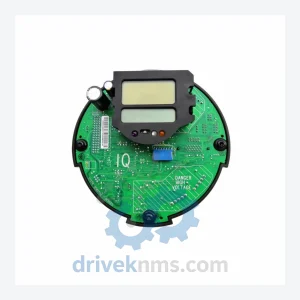
Rotork IQT MOD6G is listed for IQ Series RFQ review. Confirm quantity, condition and destination before quotation.
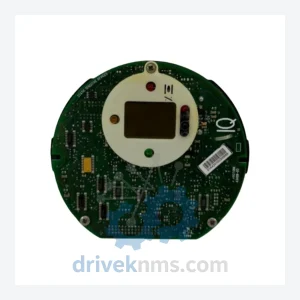
Rotork 43409-03 is listed for IQ/IQT Series RFQ review. Confirm quantity, condition and destination before quotation.